Recommended High-Performance Infrared & Quartz Components
Engineered for high-throughput PET blow molding, automotive coating lines, photovoltaic manufacturing, and precision laboratory applications.
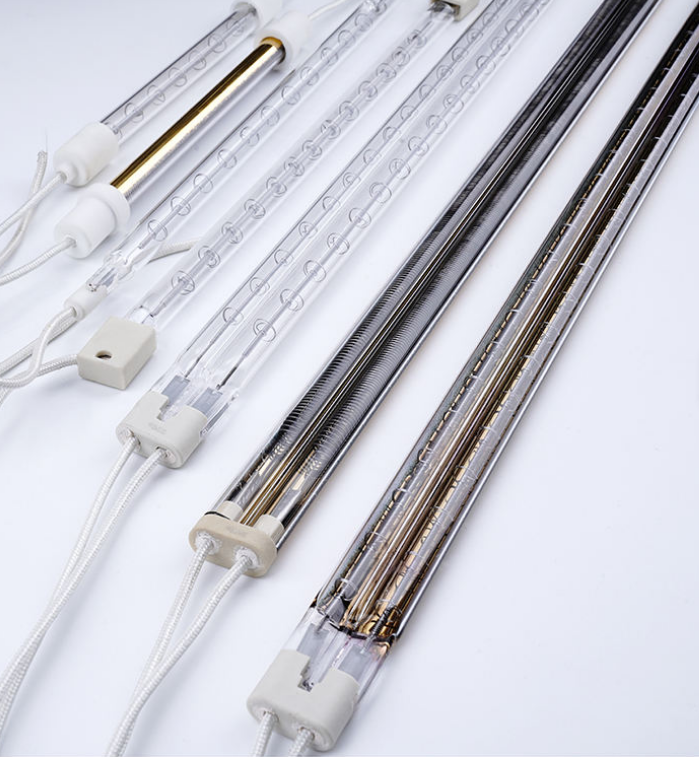
Factory Supply 220v Infrared Heater Lamp for PET Blowing Machines
Fast Cycle • 220V Precision Inquire Now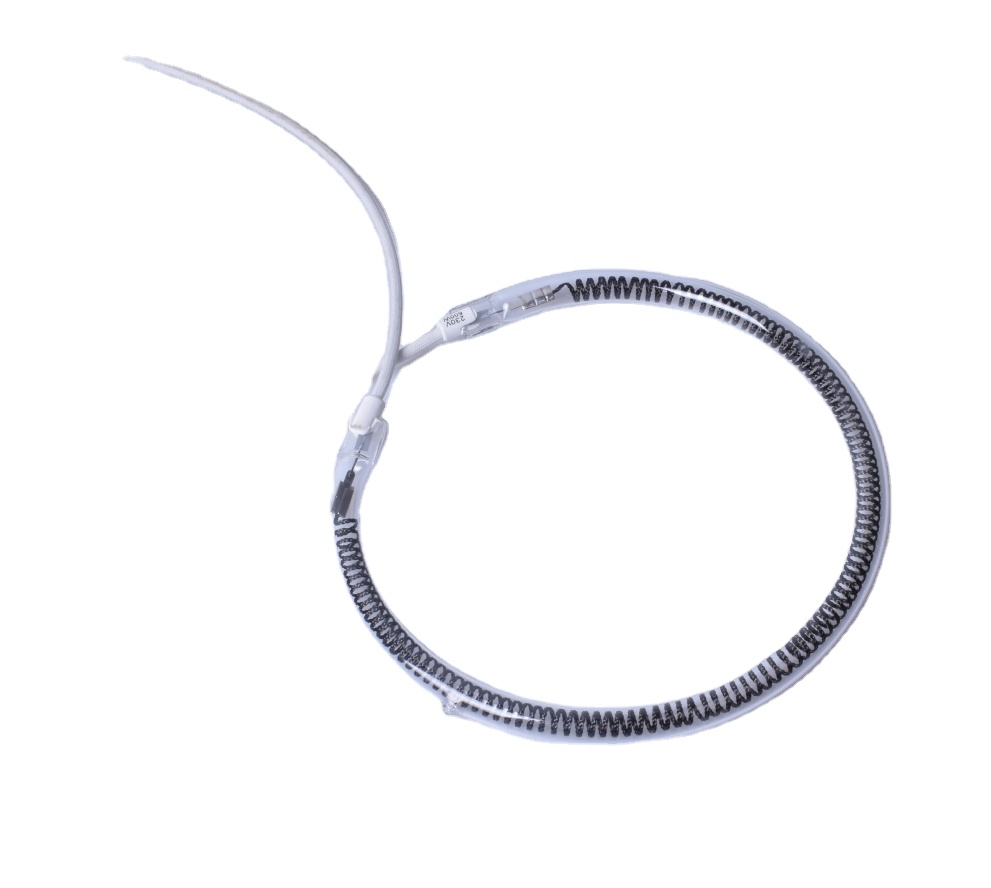
1000W Carbon Fiber Circular Infrared Heat Lamp for PET Blowing Preheating
Circular Profile • Medium-Wave Inquire Now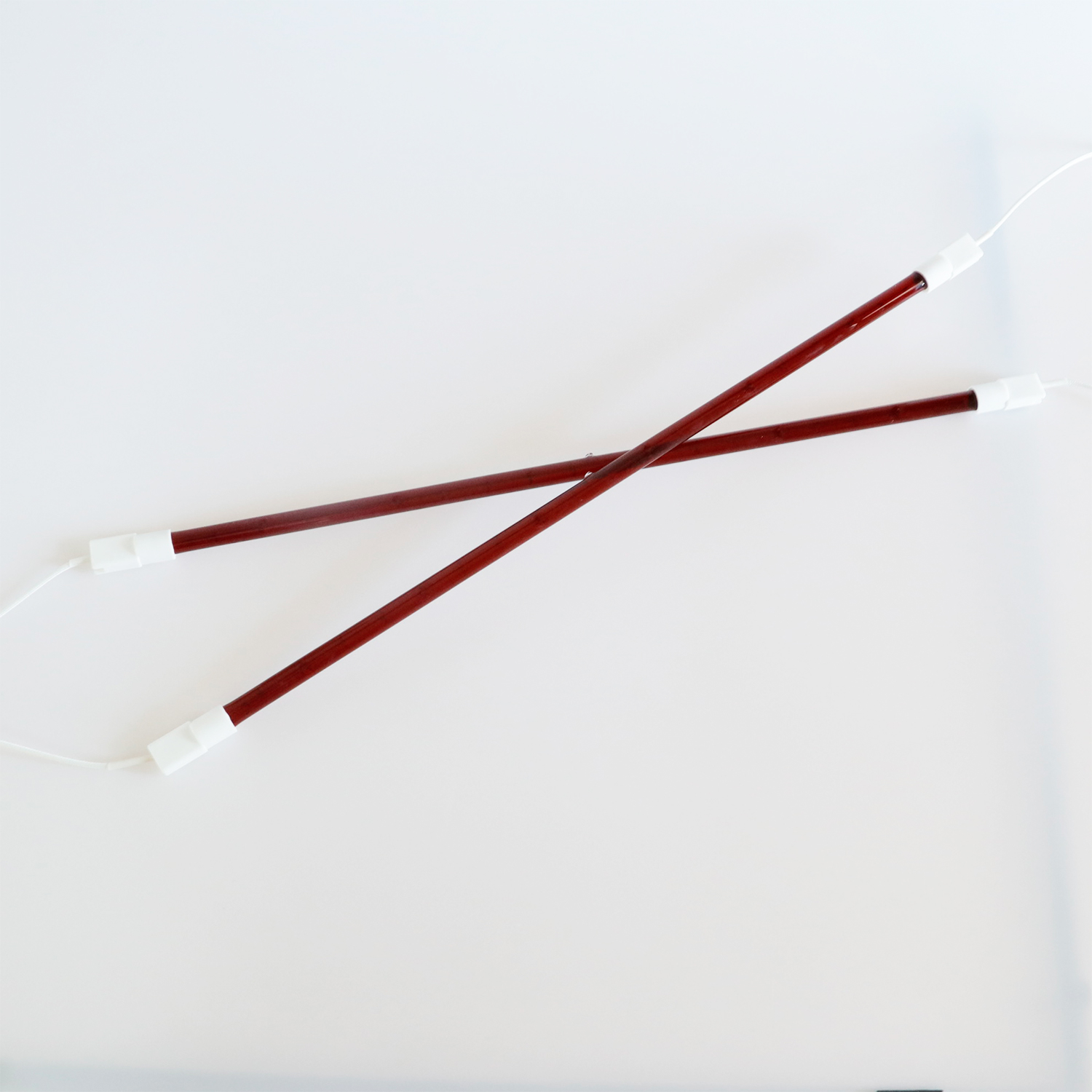
Factory Directly Ruby Short Wave Quartz Tube 1000W Halogen Infrared Heating Lamp for Auto Car Paint Drying
Glare Reduction • Short-Wave Inquire Now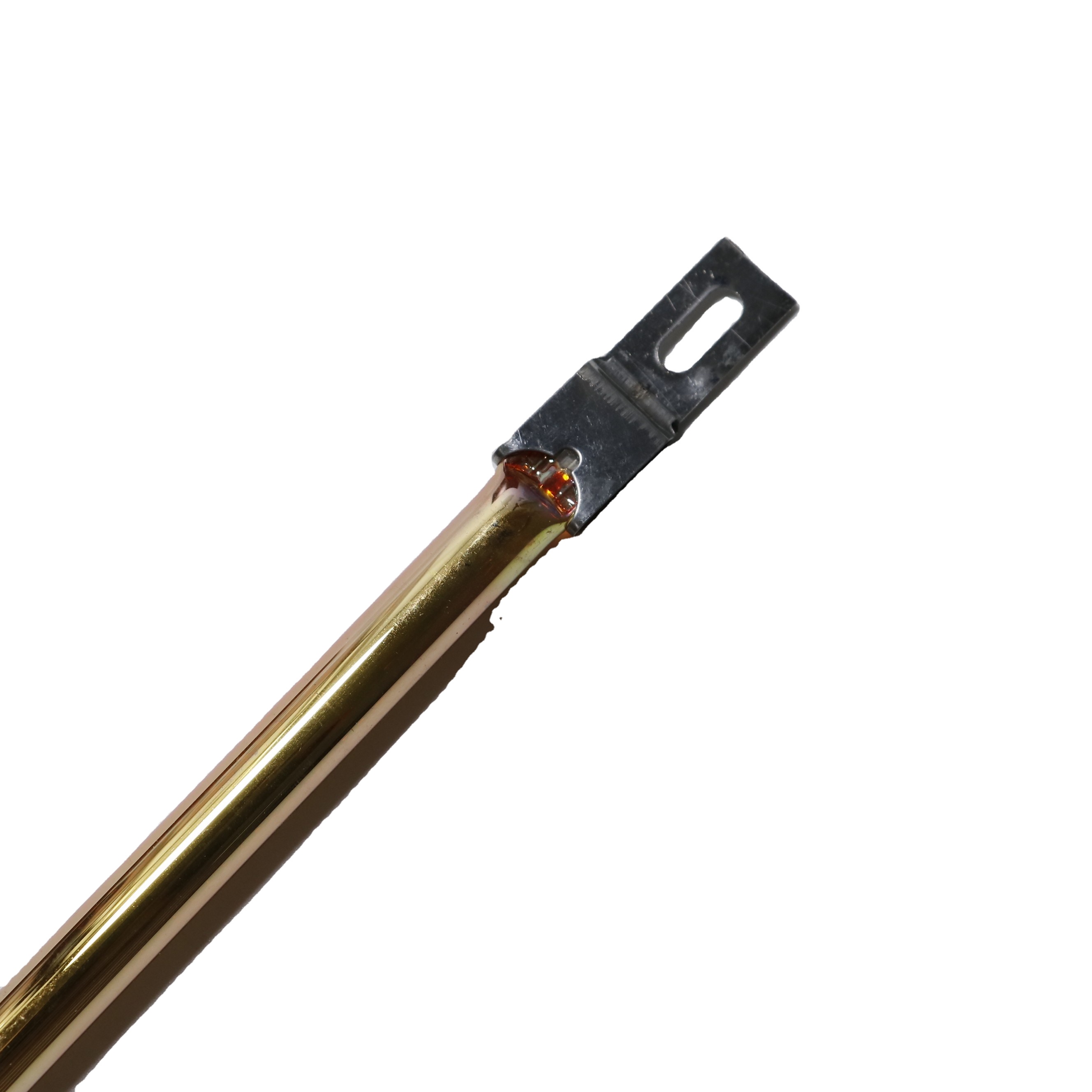
Full Gold Quartz Infrared Heating Lamp for Industrial Processing
95% Directional Reflectivity Inquire Now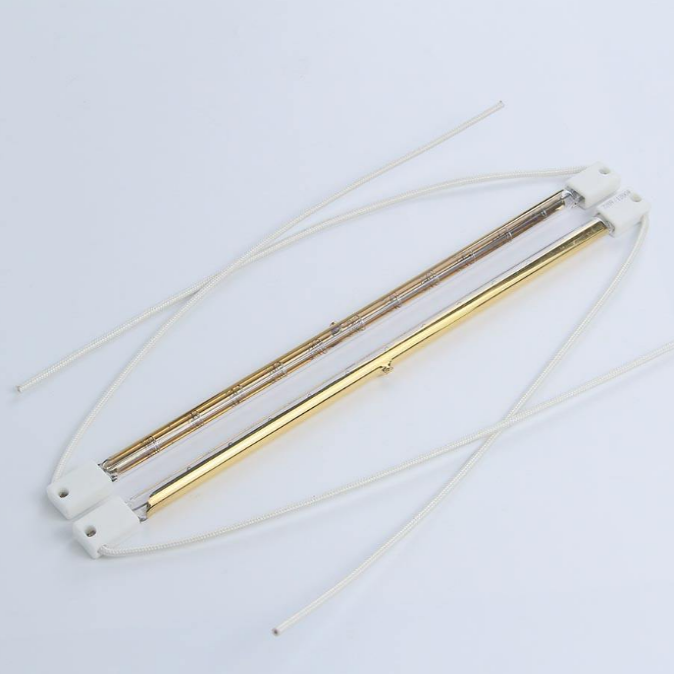
Halogen 220V 1000W Half Gold Coated Infrared Heat Lamp for Machine Equipment
Half-Gold Shield • Targeted Heat Inquire Now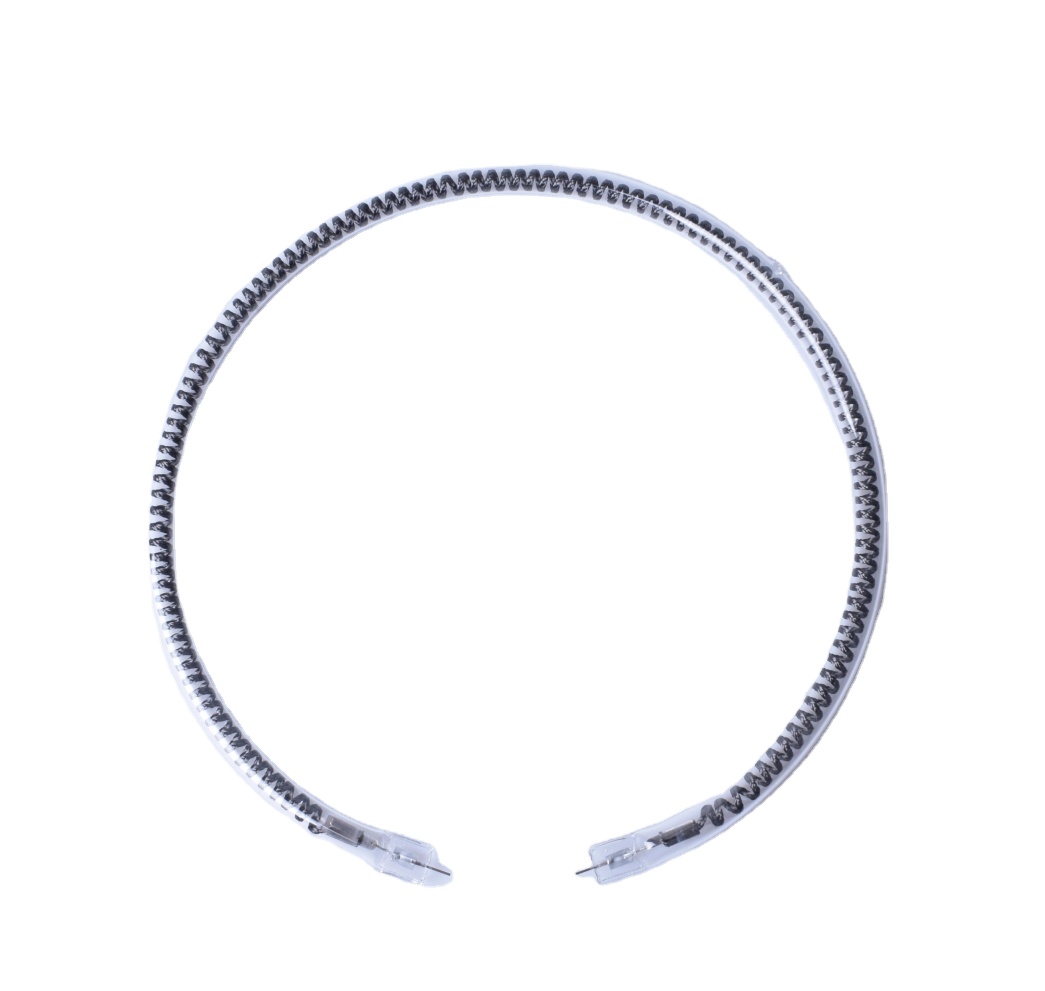
120V 1000W Medium Wave clear Infrared Heat Lamp for Photovoltaic Industry
PV Annealing • Fused Silica Inquire Now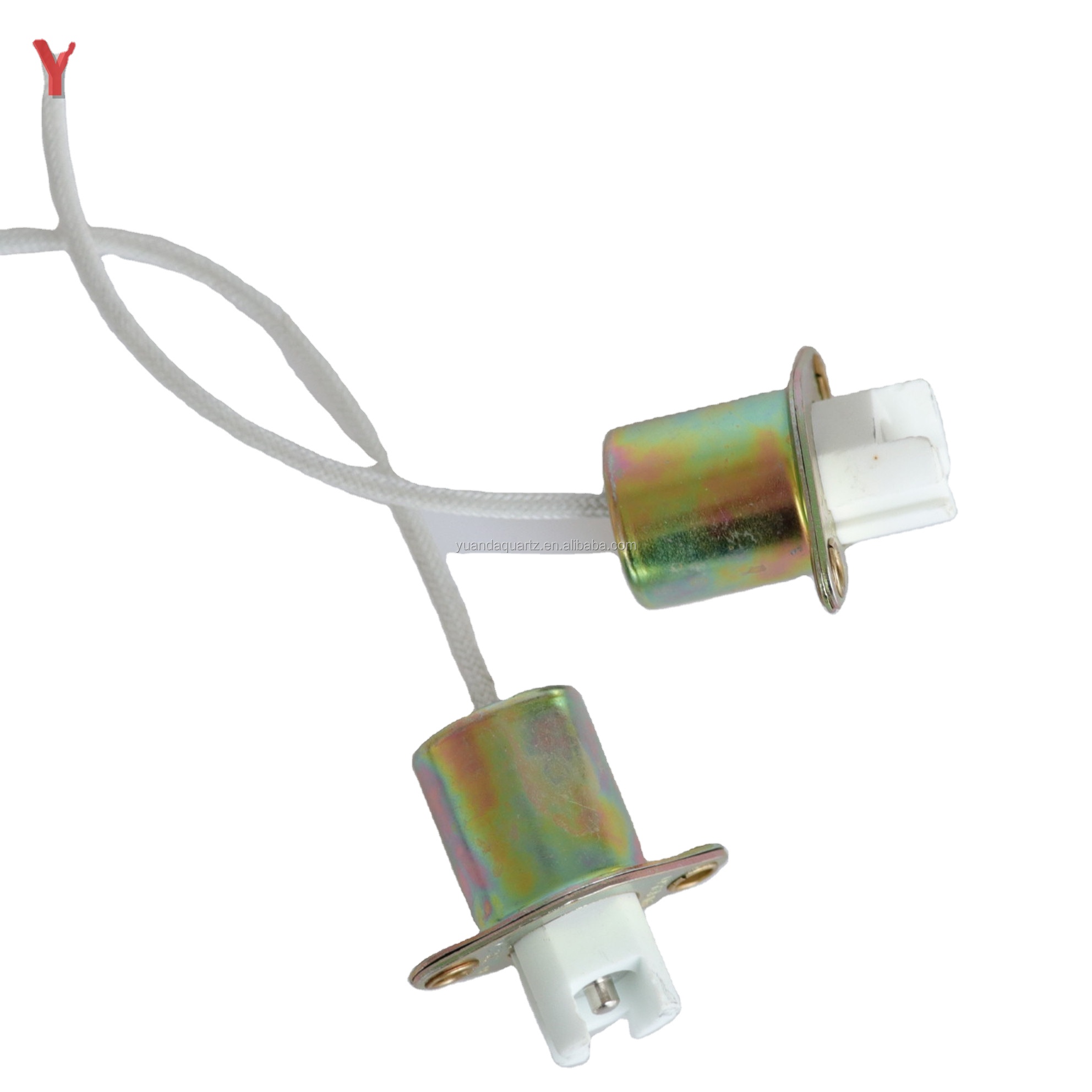
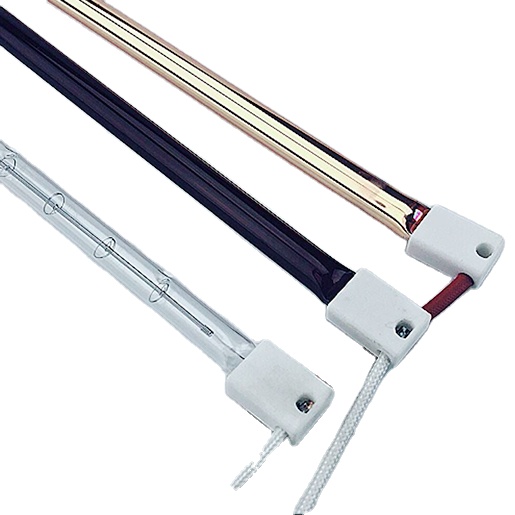
Wholesale Ceramic Linear Quartz Infrared Heating Lamp for Flash Dryers
Flash Cure • High Uniformity Inquire NowIndustrial Significance: Why High Purity Quartz Tube Technology Dominates Modern Thermal Processing
In sophisticated industrial production ranging from semiconductor diffusion furnaces and photovoltaic ingot growth to high-speed polymer thermal forming, high purity fused quartz glass represents an irreplaceable strategic substrate. Engineered by fusing naturally occurring crystalline silica or synthesized silicon precursors under plasma temperatures exceeding 2000°C, fused silica tubes possess physical, optical, and thermodynamic parameters unmatched by conventional glasses or technical ceramics.
The fundamental differentiator of a top-tier Chinese quartz manufacturer lies in the meticulous containment of trace elemental contaminants. Alkalis (Na, K, Li) and transition metals (Fe, Cu, Ni) induce premature devitrification at temperatures beyond 1000°C, causing structural micro-cracking and loss of vacuum integrity in high-load infrared envelopes. By managing raw quartz sourcing directly from the Donghai mineral cluster in Lianyungang, Kavri Quartz ensures that fused silica tubes maintain trace metal contamination below 15–20 ppm, ensuring superior dimensional stability, an ultra-low thermal expansion coefficient of approximately 5.5 × 10⁻⁷/K, and immune resistance to drastic thermal shocks.
Enterprise Competence & Factory Capabilities: Kavri Quartz Co., Ltd.
Headquartered at No. 868 Jingdu Avenue, Lianyungang, Jiangsu—the epicenter of China's quartz and silicon materials industrial corridor—Kavri Quartz Product Co., Ltd. has established itself since 2014 as an accredited manufacturer and global engineering exporter. Our production facilities bridge the gap between heavy fused silica raw tube processing and downstream precision component manufacturing, integrating cold fabrication, continuous gas-refining, automated filament coiling, and high-vacuum evacuation.
Integrated Supply Chain Advantage
Direct proximity to high-grade crystalline quartz deposits minimizes baseline material procurement overhead, providing global buyers with superior quality at highly competitive factory costs.
Custom OEM/ODM Engineering
Over a decade of custom manufacturing allows us to execute complex configurations: single/twin-tube geometries, star filaments, R7S/ceramic terminations, and tailored spectral reflective coatings (Gold & White Ceramic).
Rigorous Quality Verification
Onsite-verified manufacturing audited by third-party inspection firms. Every production run undergoes spectrographic purity tests, dimensional optical tolerance validation (±0.1mm), and hermetic vacuum drop checks.
Product Evolution: The Shift from Generic Heating Elements to Spectral-Matched Emitters
The industrial heating landscape has systematically phased out bulky convective ovens and open ceramic resistance spirals. Contemporary high-speed processing equipment demands instantaneous modulation and wavelength-matched spectral emission. The development of high purity quartz envelopes has been central to this technological progression:
1. Hydroxyl (OH) Radical Control: Early commercial quartz tubes contained high concentrations of residual water radicals (>150 ppm OH-), which absorb significantly in the near-infrared and mid-infrared spectra (specifically at 2.2 µm and 2.7 µm). Modern continuous vacuum dehydroxyl-refining eliminates these internal resonance bands, enabling up to 92% optical transmission from ultraviolet through near-infrared regimes.
2. Micro-Structured Directional Reflectors: Rather than relying on external stainless steel reflectors that oxidize, degrade, and consume physical footprint, modern quartz heaters leverage full or half-jacket continuous vapor-phase 24K gold and fused white ceramic layers directly bonded to the outer quartz envelope. Gold coatings redirect over 95% of rearward infrared radiation directly toward the target substrate, reducing machine frame temperatures and dropping aggregate energy consumption by 30% to 45%.
3. Carbon Ribbon Transformation: Tungsten halogen sources excel at short-wave penetration (peak at 1.0–1.2 µm), but organic matrices, water-borne lacquers, and sheet polymers show superior resonant absorption in the medium-wave window (2.0–2.6 µm). The emergence of braided carbon fiber filaments operating inside protective halogen/inert gas atmospheres within quartz sheaths bridges the thermal gap, yielding instant responsiveness without the blinding luminous flare of tungsten wires.
Future Procurement Trends for High Purity Quartz Products (2025–2030)
For supply chain managers, equipment builders, and global procurement officers in Europe, North America, and East Asia, sourcing parameters have evolved considerably beyond unit cost. Forward-looking procurement strategies prioritize the following criteria:
Decarbonization & Electrification of Industrial Dryers
With aggressive carbon tax implementations and escalating natural gas costs, industrial drying processes (automotive paint lines, textile finishings, food dehydration) are rapidly converting to clean, localized electric quartz emitter modules that deliver heat on demand within seconds.
Tighter Dimensional & Geometric Tolerances
Automated modular furnace lines require quartz tubes with outer diameter and wall thickness variations below ±0.05 mm to maintain uniform heating flux profiles and prevent stress concentrations along high-temperature gas manifold seals.
Demand for Integrated Sub-Assemblies
Procurement teams are increasingly shifting purchase orders from raw tubes to fully finished, ready-to-mount components with factory-welded flanges, pre-attached customized R7S, metal sleeve, or lead-wire terminations, minimizing downstream handling damage risks.
Frequently Asked Questions (Technical Sourcing Guide)
How does silica purity (3N vs. 4N vs. 5N) impact quartz tube performance under high temperatures?
What criteria dictate the choice between short-wave halogen and medium-wave carbon fiber quartz emitters?
• Short-wave halogen (peak 1.0–1.2 µm): Exhibits deep penetrative capabilities. Highly effective for thick plastic components, automotive primer/clear-coat layers where energy must reach the substrate interface, and high-speed PET preform blowing ovens requiring near-instantaneous thermal saturation.
• Medium-wave carbon fiber (peak 2.0–2.4 µm): Is predominantly surface-absorbed by water, polymers, inks, and powder coatings. It provides exceptional energy transfer rates for curing water-borne lacquers, screen printing flash dryers, and delicate plastics without overheating internal layers.
What engineering information is required to manufacture custom quartz infrared lamps?
1. Electrical specifications: Operating voltage (e.g., 120V, 220V, 230V, 380V, 480V) and total power wattage.
2. Tube dimensions: Outer diameter (OD), inner diameter (ID), heated filament length (HL), and total length including end caps (OAL).
3. Cross-sectional geometry: Single standard tube or twin-tube profile (e.g., 11×23mm, 15×33mm).
4. Reflective layer: Clear, 24K gold coating, or white ceramic diffuse coating.
5. Terminations: R7S push-in, metal cap, high-temperature flexible wire leads with spade/ring terminals. Providing an engineering drawing, machine nameplate, or physical sample ensures exact cross-reference matching.