Diagnostic / Medical
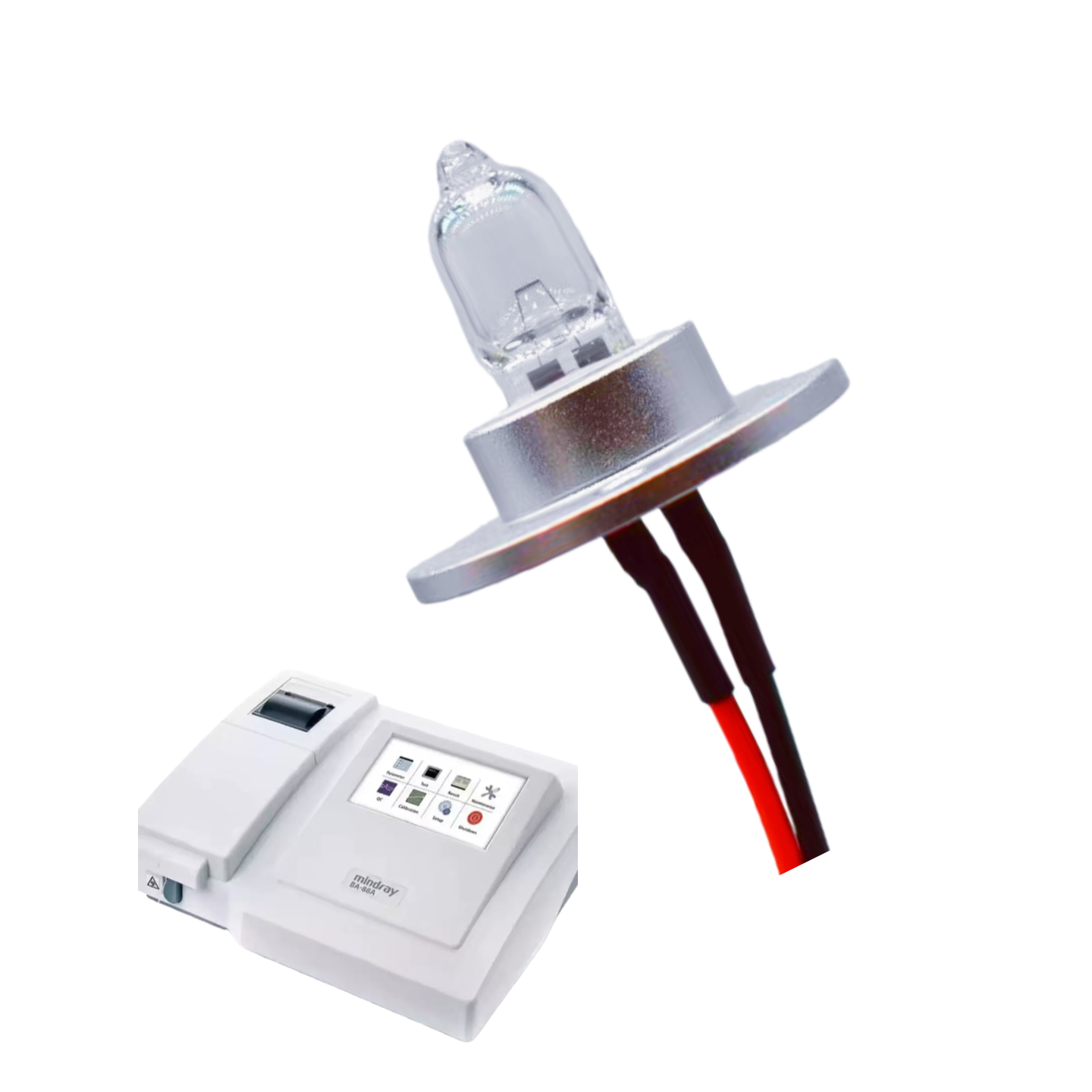
BA-88A Halogen Lamp Bead 6V 10W Mindray Semi-automatic Biochemical Analyzer Light Bulb
- Voltage: 6V
- Power: 10W
- High Optical Purity
- Bio-Analytical
Custom-fabricated from ultra-pure quartz tubing and high-tolerance tungsten elements to meet rigorous thermal, optical, and mechanical specifications across mission-critical industries.
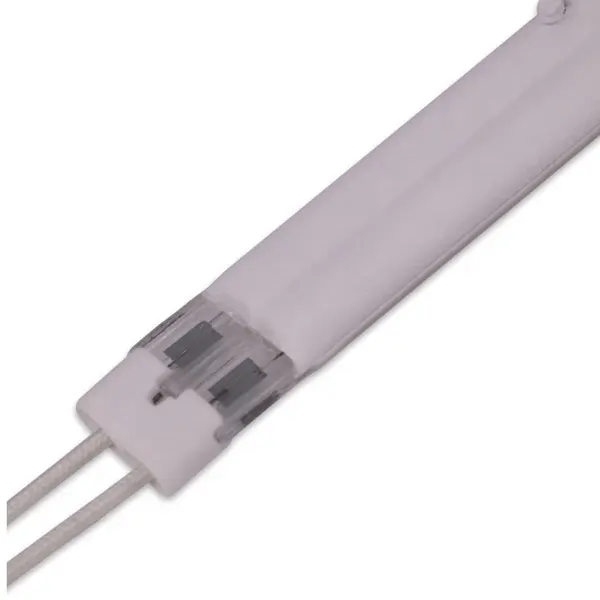
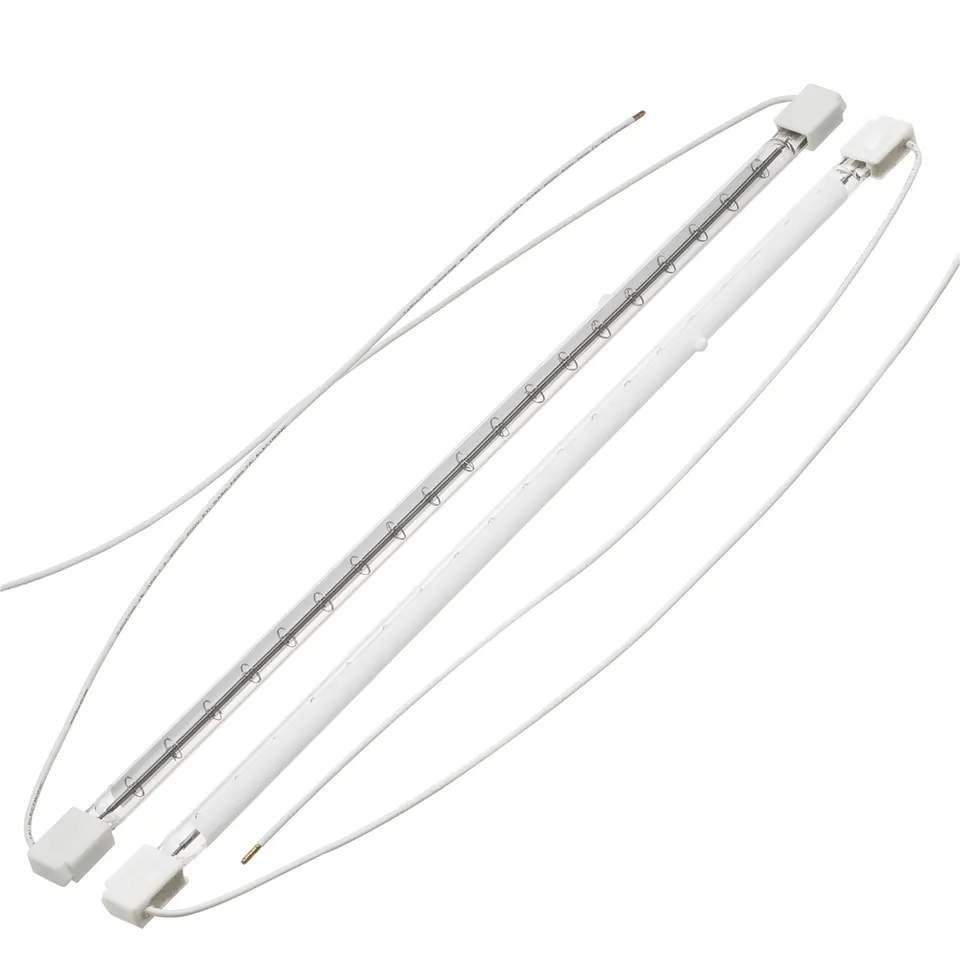
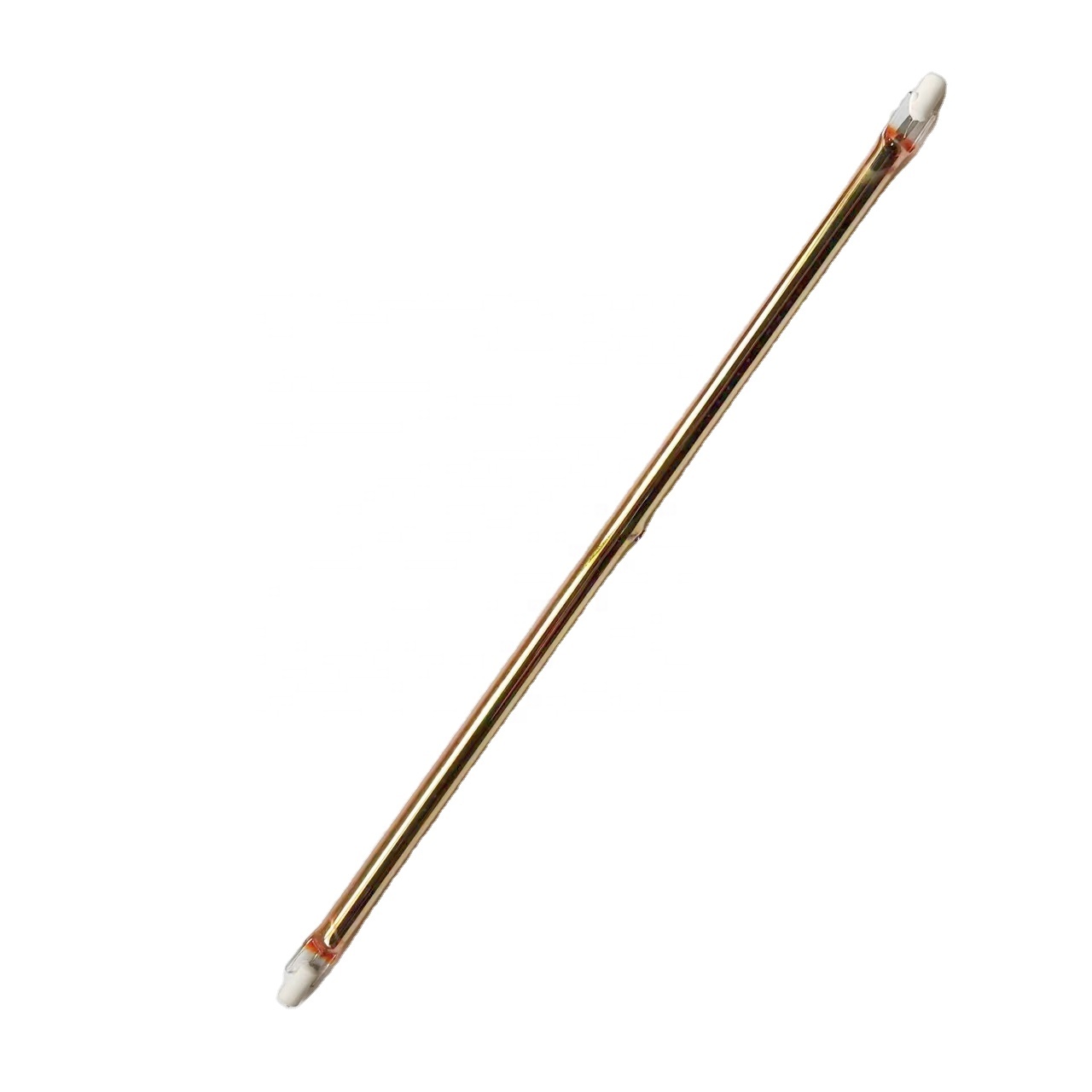
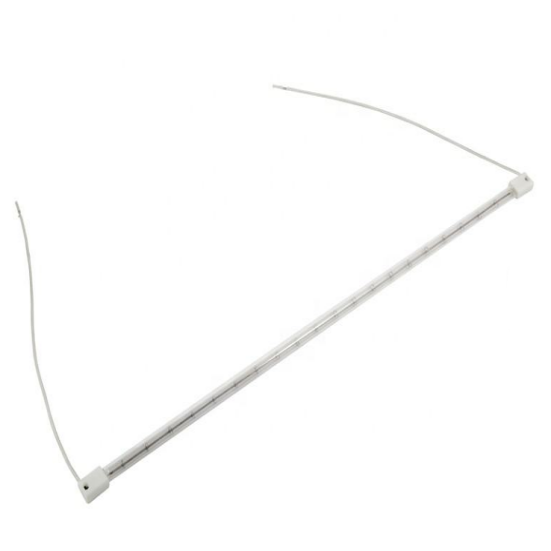
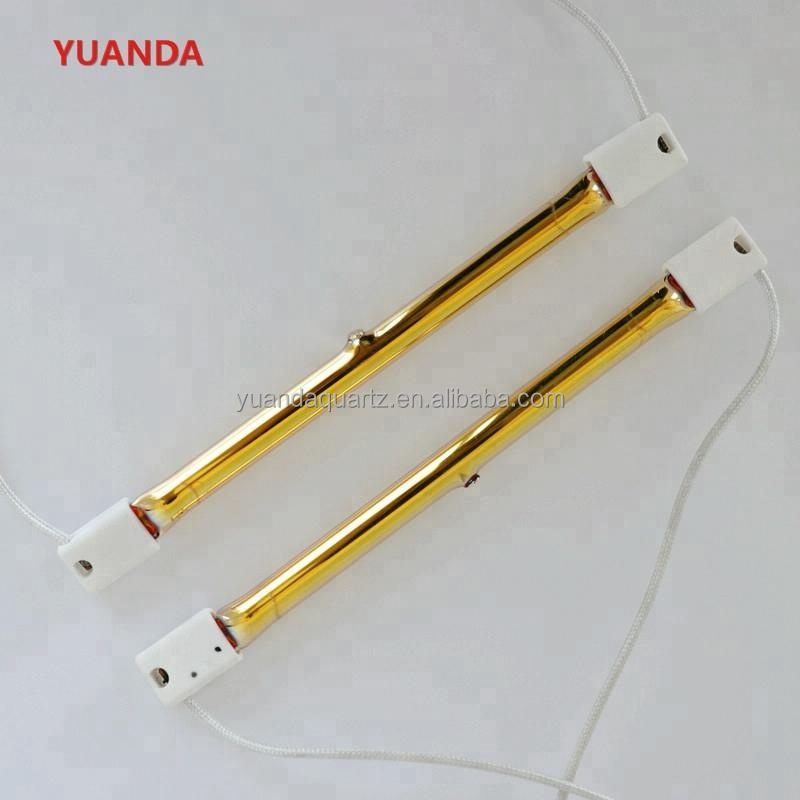
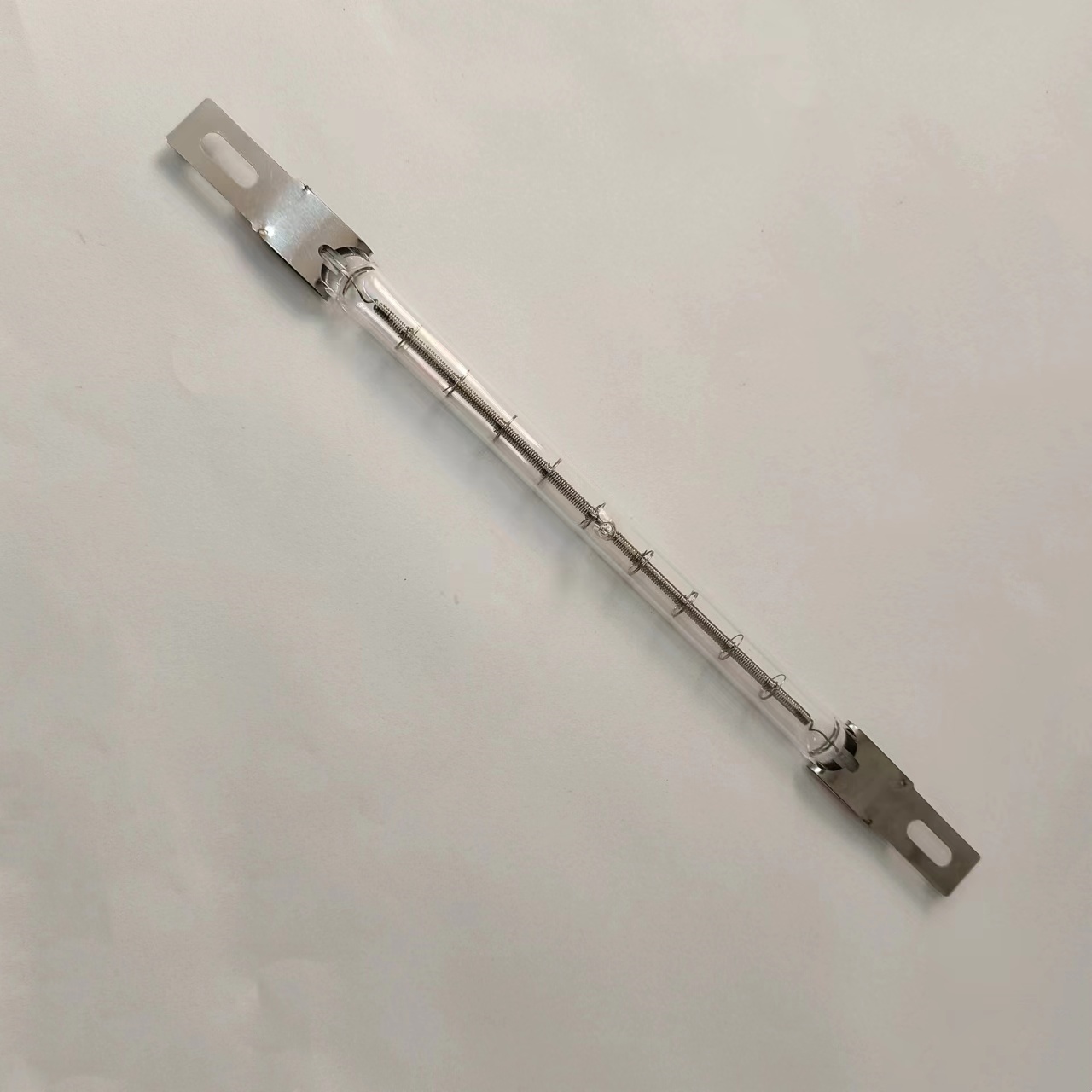
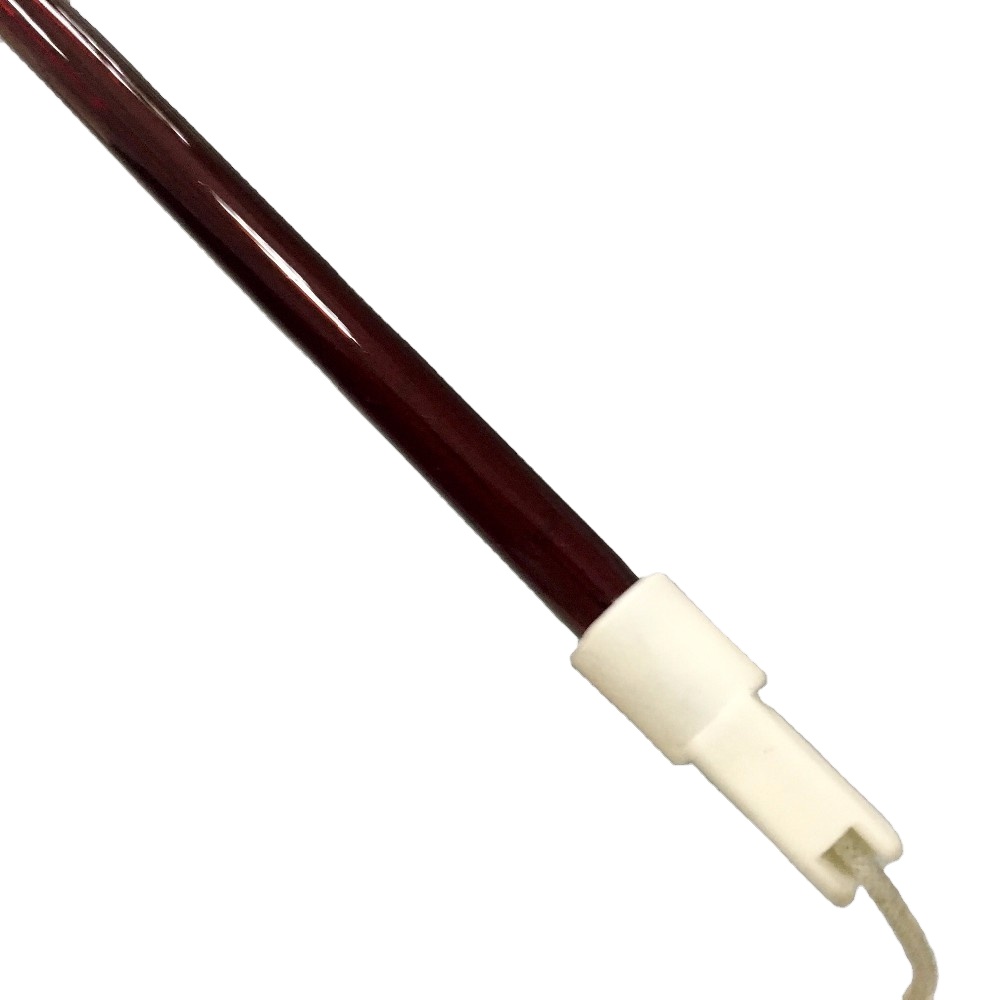
Quartz tube fittings and fused silica envelopes occupy a specialized position in modern thermal and analytical process equipment. Unlike standard borosilicate or soda-lime glass, fused quartz consists almost entirely of silicon dioxide (SiO2 ≥ 99.99%). This atomic architecture imparts extraordinary physical, chemical, and optical characteristics: an operating threshold exceeding 1,100 °C, an ultra-low linear thermal expansion coefficient (α ≈ 5.5 × 10⁻⁷ /K), superior dielectric insulation, and maximum radiant transmission spanning the deep ultraviolet through the short- and medium-wave infrared spectrum.
When sourcing quartz tube fittings from Chinese manufacturing hubs, precision OEM/ODM procurement directors must assess how factories balance dimensional tolerances, wall thickness concentricity, hydroxyl (OH-) radical concentrations, and lead-terminal hermetic sealing integrity. In infrared heating assemblies, preform thermoforming systems, and diagnostic spectrophotometry cuvettes, even slight deviations in quartz envelope wall consistency can lead to uneven thermal flux or catastrophic premature envelope degradation under cyclical stress.
| Performance Parameter | Fused Quartz Standard | Borosilicate 3.3 Glass | Engineering Impact for OEM Buyers |
|---|---|---|---|
| Maximum Continuous Temp | 1,100 °C – 1,200 °C | 450 °C – 500 °C | Enables close-proximity positioning to radiant industrial filaments. |
| Thermal Expansion (α) | 5.5 × 10⁻⁷ /K | 33 × 10-7 /K | Virtually zero expansion under rapid ON/OFF duty cycling (PET blow ovens). |
| Softening Point | ~1,680 °C | ~820 °C | Zero envelope sagging across high-wattage single/twin horizontal runs. |
| Infrared Transmittance | > 92% (0.2 µm – 3.5 µm) | < 80% (high cutoff above 2.7 µm) | Transmits radiant energy directly to substrate with minimal tube wall heat soak. |
| Chemical Inertness | Impervious to acids (except HF/H3PO4) | Subject to strong alkaline corrosion | Critical for laboratory flow cells, medical analyzers, and chemical reactors. |
Global original equipment manufacturers across North America, Western Europe, and East Asia are fundamentally redefining their supply chain criteria for quartz tube fittings and infrared emitters. Sourcing strategies are moving away from ad-hoc spot buying of generic glass replacement tubes toward integrated, value-added modules governed by total operational life cycle costs.
Buyers in automotive refinishing, composite thermoforming, and large-format printing are steadily phasing out single round tubes in favor of dual-bore (twin-tube) quartz channels (e.g., 23×11mm and 33×15mm profiles). Twin-tube designs offer superior mechanical rigidity over lengths up to 3,000 mm, preventing mid-span filament sagging, while enabling isolated dual-circuit firing within a single fitting.
Energy tariffs have made omnidirectional infrared radiation obsolete. Industrial drying tunnels and PET blow molding plants now routinely specify back-face reflectors. Direct ceramic half-white coatings handle extreme ambient temperatures without discoloration, while vacuum-deposited 24K gold reflectors direct up to 95% of IR emissions forward, reducing kilowatt-hour power draw by 15% to 30% per machine line.
For semiconductor sanitization, UV water disinfection, and biochemical analyzer cuvettes (such as Mindray BA-88A fittings), optical clarity is non-negotiable. Leading procurement offices now demand factory-level material declarations guaranteeing hydroxyl (OH-) levels below 15-20 ppm to prevent long-term optical solarization and infrared absorption band degradation around 2.73 µm.
Rather than purchasing bare quartz tubes and raw tungsten filaments separately, multinational machine assemblers demand pre-fitted, modular thermal units equipped with pre-crimped nickel lead wires, specialized spring clips, custom ceramic R7S or SK15 end caps, and vibration-damped silicone mounting hardware for immediate installation on the production line.
The manufacturing ecosystem for quartz products in China has evolved beyond manual flame manipulation. Modern tier-1 facilities leverage computerized multi-axis CNC cold processing, controlled-atmosphere laser tube welding, and advanced vacuum seal furnaces. These breakthroughs address persistent engineering hurdles in industrial equipment design:
A. Advanced Molybdenum Foil Hermetic Pinch Seals: Because quartz and metal possess radically different thermal expansion coefficients, inserting current-carrying lead wires through fused silica without loss of vacuum has historically been challenging. The transition to feather-edged, high-purity molybdenum foil ribbons (≤ 15-20 µm edge taper) enables the foil to yield plastically under thermal expansion without shearing the outer quartz envelope, prolonging emitter lifespans past 5,000 continuous hours.
B. Fast-Response Carbon Fiber Radiant Cores: While traditional tungsten wire produces short-wave infrared peaking at 1.0 – 1.2 µm, newly developed carbon fiber ribbon emitters produce medium-wave radiation centered near 2.0 – 2.5 µm. This spectral output matches the absorption resonance of moisture, surface lacquers, and polyolefin plastics, drying waterborne coatings in half the dwell time required by legacy convection ovens.
C. Ultra-High Precision Flow Cells for Medical Diagnostics: Laboratory-grade quartz parts require sub-micron internal channel machining. By utilizing high-energy ultrasonic drilling and thermal diffusion fusion welding, Chinese exporters now manufacture high-reliability microcuvettes (such as 32 µL biochemistry flow cells) without synthetic adhesive interlayers, completely eliminating reagent contamination risk in photometric analyzers.
Founded in 2014, Kavri Quartz Product Co., Ltd. operates from Lianyungang, Jiangsu Province—the epicenter of China's world-renowned Donghai silica processing hub. This geographic integration grants our engineering team uninterrupted access to high-purity quartz sands, pristine ingot supply, and seasoned flame-working technicians. Our facilities, business integrity, and trading status are onsite-verified by Alibaba.com and independent international inspection authorities.
Over a decade of custom manufacturing for industrial equipment builders in Germany, the Netherlands, USA, Japan, and Korea. We engineer directly from your DXF/CAD blueprints, damaged reference samples, or machine nameplate ratings.
Independent production flows dedicated to high-speed tungsten halogen lamps, carbon fiber medium-wave heating units, and precision quartz fabrication (tubes, optical plates, capillary rods, and biochemical flow cuvettes).
Our engineering-backed trade team delivers actionable quotes, drawing validations, and feasibility analyses within 4 hours. No communication bottlenecks between your purchasing desk and our workshop floor.
Trial pilot runs and urgent maintenance replacements start from just 8–10 pieces for standard profiles. Full validation batches can be engineered, tested, and dispatched via express air freight in rapid turnaround windows.
Over 80% of our annual output ships globally under FOB, CFR, CIF, EXW, and DDP terms. Products are packed with customized inner shock-absorbing cradles and export-grade plywood crates, guaranteeing 0% breakage upon port arrival.
Every batch undergoes strict dimensional verification, electrical resistance inspection, filament alignment calibration, vacuum decay analysis, and high-voltage breakdown testing prior to final logistics release.
Clear, practical technical answers addressing key considerations in international quartz procurement, drawn from ten years of factory-floor engineering experience.
Send your drawings, operating voltages, tube dimensions, or reference part images to our engineering desk. We provide comprehensive quotes and technical feasibility evaluations within 4 business hours.