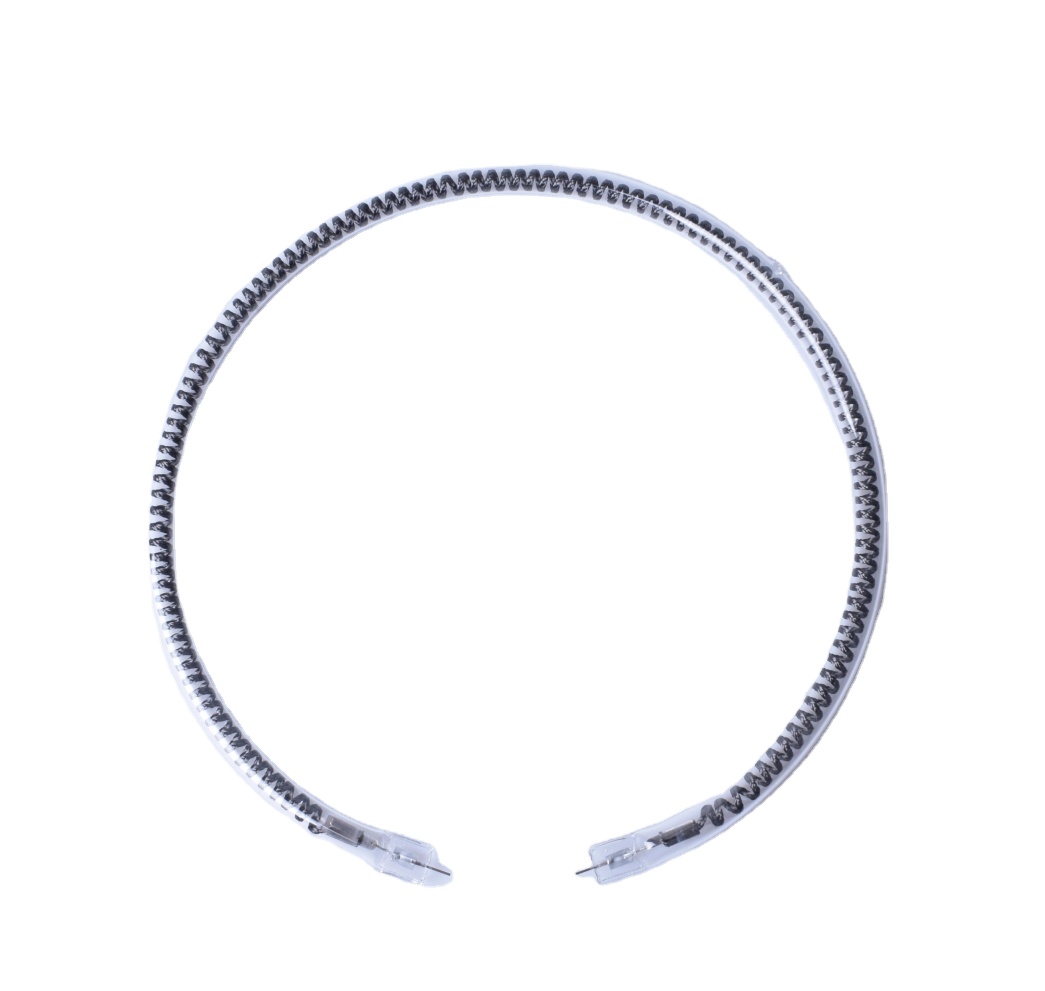
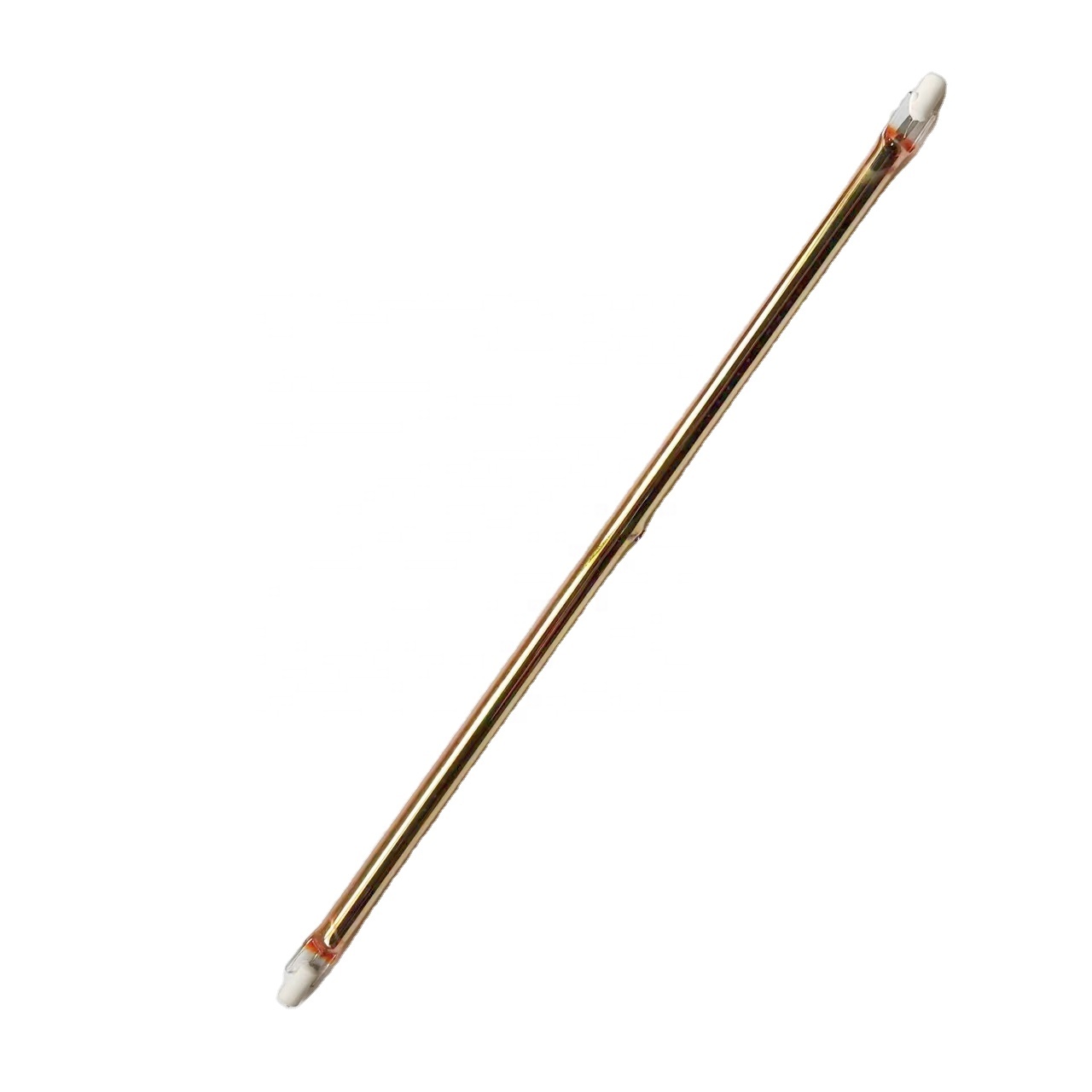
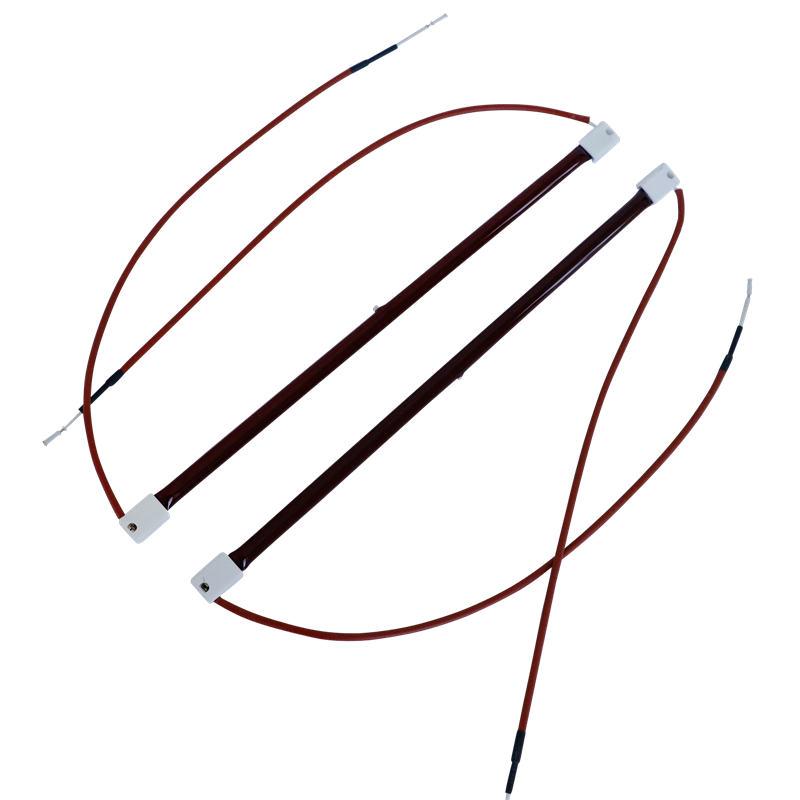
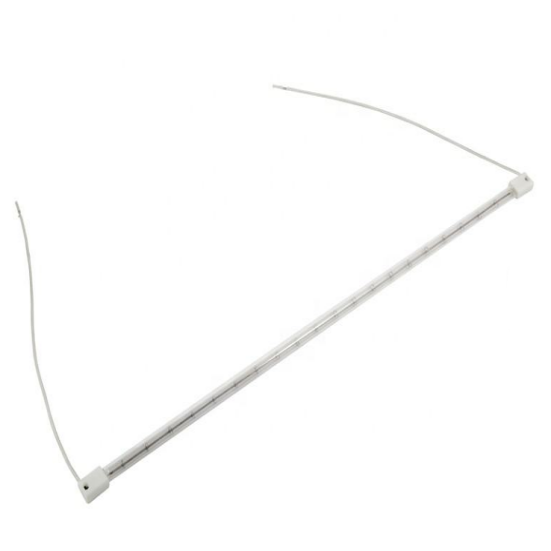
Featured Industrial Emitters & Precision Quartz Instruments
Manufactured under stringent process tolerances using natural optical-grade crystalline silica and specialized semiconductor heat treatment techniques.
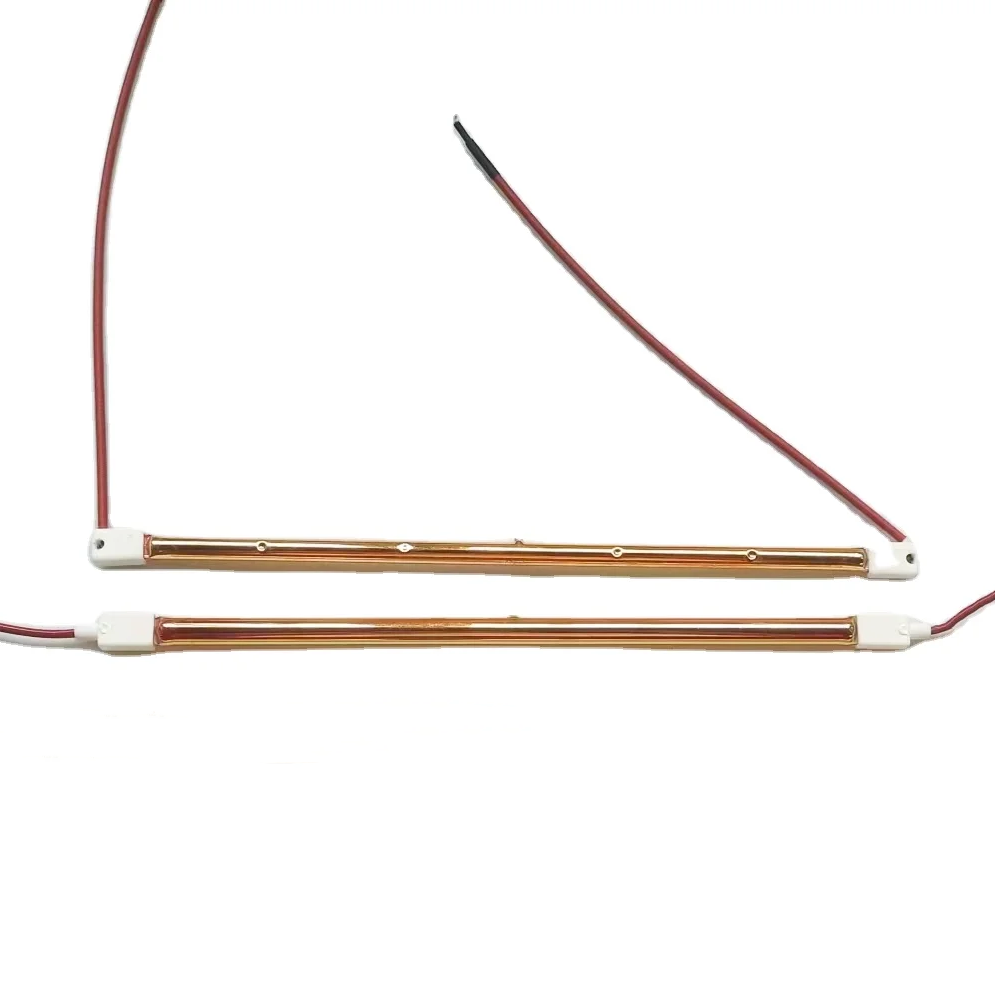
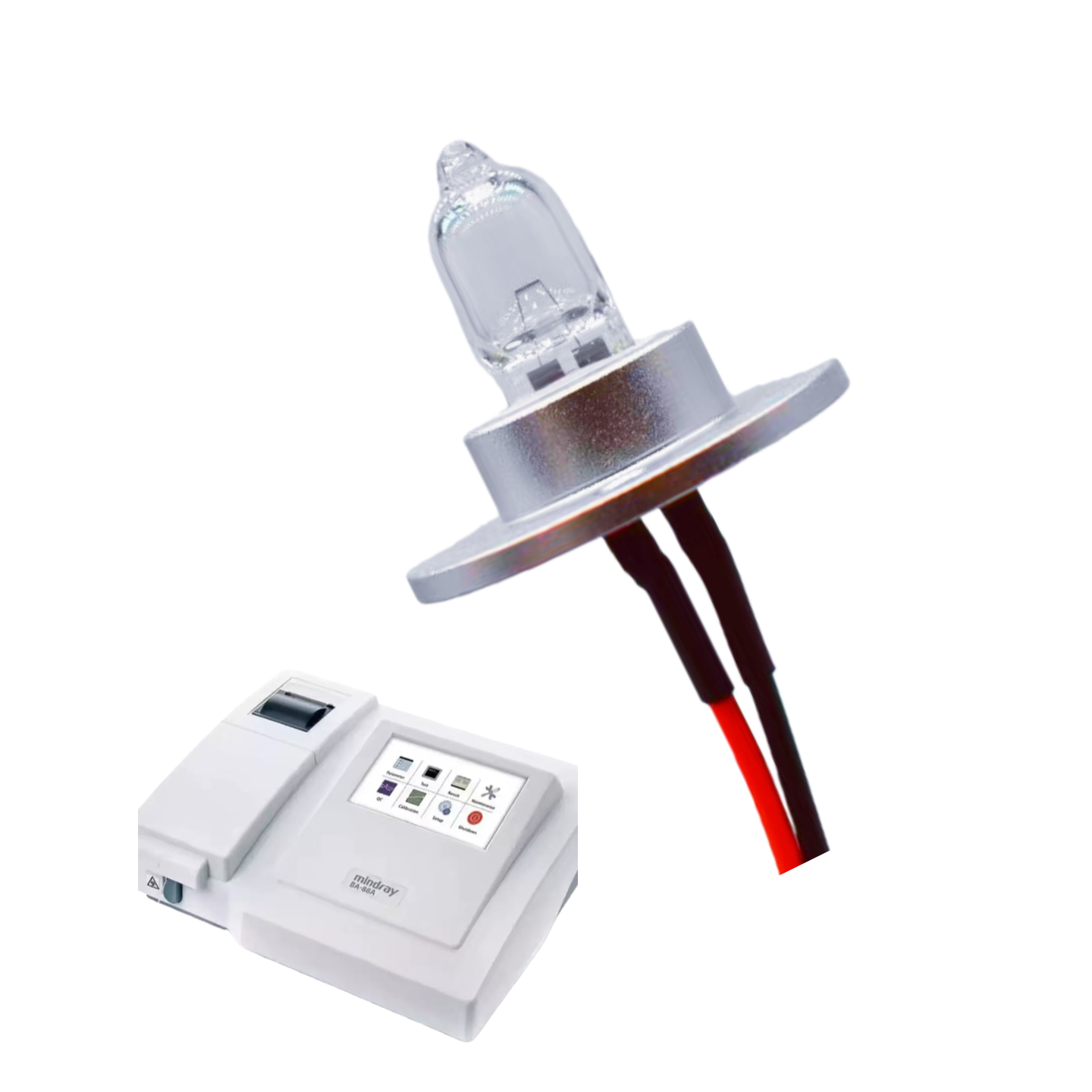
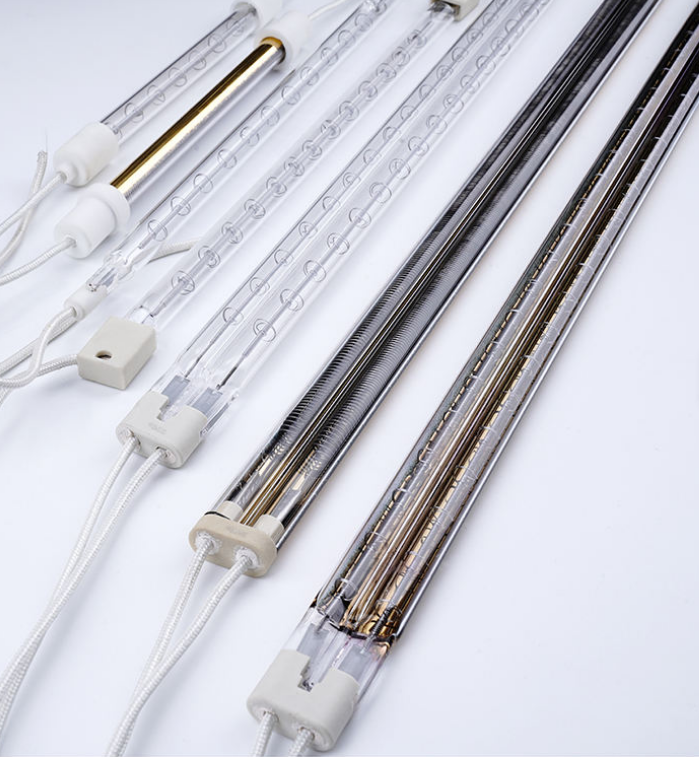
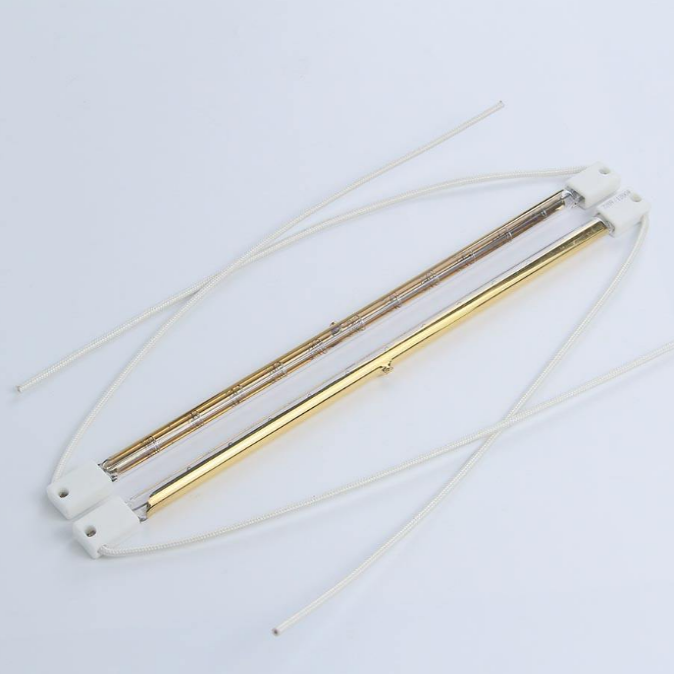
Future Global Procurement Trends in Quartz Glass & IR Systems
The convergence of semiconductor microfabrication, industrial decarbonization, and advanced PV cell manufacturing is reshaping international procurement criteria.
1. Electrification & Rapid Thermal Decarbonization
Global manufacturers are phasing out gas-fired convective drying tunnels to meet Net-Zero carbon compliance. Precision electric infrared heating lamps powered by high-purity quartz envelopes convert up to 92% of electrical input into direct directional radiant heat, lowering plant footprint, trimming warmup idle times from 30 minutes to 1.5 seconds, and dramatically reducing industrial kilowatt-hour consumption.
2. Ultra-High Purity & Trace Hydroxyl (OH) Suppression
Next-generation applications—such as TOPCon solar wafer diffusion furnaces, UV-C excimer sterilizers, and compound semiconductor wafer handling—demand synthetic and electrically fused quartz with hydroxyl (OH⁻) values below 5 ppm. Suppressing bubble density, molecular micro-inclusions, and trace element contamination (Fe, Cu, Al < 0.1 ppm) is now a core requirement in vendor qualification protocols.
3. Consolidation of Chinese Supply Chain Agglomerations
International procurement is migrating directly to the primary mineral refining and glassmaking hubs, notably the Donghai and Lianyungang corridors in Jiangsu, China. Sourcing managers are bypassing multi-tier regional brokers to partner directly with onsite-verified manufacturers capable of executing drawing-to-spec OEM tooling, dual-chamber high-vacuum sealing, and clean-room packaging in an integrated facility.
Evolutionary Trajectory & Technical Trends of Quartz Glass
A technical assessment of physical dynamics: thermal endurance, optical window transmission, and precision CNC fabrication parameters.
| Evaluation Parameter | Legacy Quartzware & Borosilicate | Advanced Fused Quartz Glass (Kavri Grade) | Synthetic Silica / Functional Coating |
|---|---|---|---|
| Continuous Service Temp | Borosilicate: ~450°C | Generic Quartz: 950°C | 1100°C continuous (Peak 1450°C thermal shock) | 1250°C continuous / Zero devitrification baseline |
| Thermal Expansion (CTE) | 33 × 10⁻⁷ /K (Prone to cracking under cycling) | 5.5 × 10⁻⁷ /K (Drop from 1000°C into ice water safely) | 5.0 × 10⁻⁷ /K ultra-low expansion |
| Spectral Transmission | Limited; Cut-off below 320 nm & degraded IR | 190 nm (Deep UV) to 4800 nm (Far IR) > 90% | Selective waveband bandpass / Nanoscale Gold 98% Reflector |
| Hydroxyl (OH⁻) Levels | Standard industrial: 150 – 250 ppm | Controlled standard: ≤ 20 – 30 ppm | Dehydroxylated vacuum baked: ≤ 2 – 5 ppm |
| Geometric Machining Tolerances | Manual blowing: ±0.5 mm to ±1.0 mm | CNC Ground, Polished, Laser Drilled: ±0.02 mm | Sub-micron semiconductor polishing (Ra < 0.2 nm) |
Corporate Advantages & Engineering Edge of Kavri Quartz
Headquartered in Lianyungang, China—the epicenter of the world's high-purity crystalline quartz supply—delivering structural advantages to global industrial buyers.
10+ Years Dedicated OEM/ODM
Founded in 2014, Kavri Quartz specializes in custom industrial glass and thermal emitter fabrication. Whether engineering a tailor-made twin-tube emitter for stretch blow molding or a specialized quartz flow-cell for clinical biochemistry instruments, our seasoned technical teams build directly from CAD drawings, physical samples, or application heat-load targets.
Raw Material Security & Vertical Integration
Our location in Jiangsu grants us uninterrupted access to pure silica ores and domestic vacuum furnace clusters. Through three specialized production lines, we govern the full manufacturing sequence—from raw tube drawing, cold diamond CNC machining, to internal tungsten coil tensioning and 24K gold vacuum reflective deposition.
Tier-1 Verified Auditing & Responsive SLAs
With an onsite-verified supplier credential by international inspection agencies and over 13 continuous years on premier business exchanges, Kavri guarantees rapid commercial accountability: average inquiry response times stay under 4 hours, coupled with strict batch-by-batch spectrum validation, electrical leakage testing, and break-proof export packaging.
Frequently Asked Questions (FAQ)
Comprehensive technical and commercial clarifications tailored for supply chain managers, mechanical designers, and procurement teams.
How does short-wave halogen differ from carbon fiber medium-wave infrared?
Short-wave halogen emitters operate at filament temperatures near 2200°C with peak radiation between 1.0 and 1.2 μm, enabling deep penetration into dense substrates like PET preforms and automotive coatings. Carbon fiber medium-wave emitters peak around 2.0 μm, matching the fundamental vibrational absorption band of water, plastics, textiles, and paper, resulting in faster surface drying without thermal distortion.
Why use gold or ceramic white back-reflector coatings?
Bare quartz lamps emit thermal radiation omnidirectionally (360 degrees). By depositing a nanoscale 24K gold or ceramic white coating directly onto one hemisphere of the quartz envelope, 90% to 98% of rearward infrared radiation is redirected toward the target substrate, reducing energy waste and lowering ambient equipment operating temperatures.
What engineering specifications are required to submit an inquiry?
For custom infrared heating tubes, provide total length, heated zone length, outer diameter, profile (single or twin tube), voltage, power rating, lead wire terminal types, and whether a directional reflector is required. For quartz glass tubes, plates, or CNC labware, provide a 2D/3D CAD drawing showing dimensions, wall thickness, purity class, and surface finish (clear fire-polished, frosted, or optical grade).
What are standard Minimum Order Quantities (MOQ) and production lead times?
Standard quartz replacement lamps and stock catalog items carry an MOQ of 8 to 10 pieces to support plant maintenance trials. Custom OEM prototypes typically ship within 7 to 10 business days following drawing sign-off, while volume production runs range between 15 and 25 business days depending on geometric complexity.
How does Kavri prevent transit damage for fragile quartz shipments?
All quartz tubes and emitters are packed in individual shock-absorbing suspension sleeves, surrounded by expanded high-density EPE foam barriers, and enclosed within heavy-wall honeycomb fiberboard and heat-treated export crates. Our long-haul damage incident rate remains well below 0.1% across major European, American, and Asian sea and air transit lanes.
Which export trade terms (Incoterms) and payment methods do you support?
We work under EXW, FOB, CFR, CIF, and door-to-door DDP arrangements handling customs clearance and import duties. Payments are processed via T/T bank transfer, confirmed L/C at sight, or secured online trade settlement platforms to safeguard global procurement operations.
Transform Your Thermal Processing Line With High-Precision Quartz Engineering
Consult directly with our thermal application engineers. Whether upgrading drying machinery or designing specialized analytical instruments, we deliver factory-direct quotes and fast sample turnarounds.
Send an Inquiry