Precision Quartz Infrared Lamps & Element Assemblies
Direct OEM manufacturing with pure crystalline fused silica bodies, high-yield thermal filaments, and specialized ceramic end fittings designed for 5,000+ hours of continuous industrial thermal cycling.
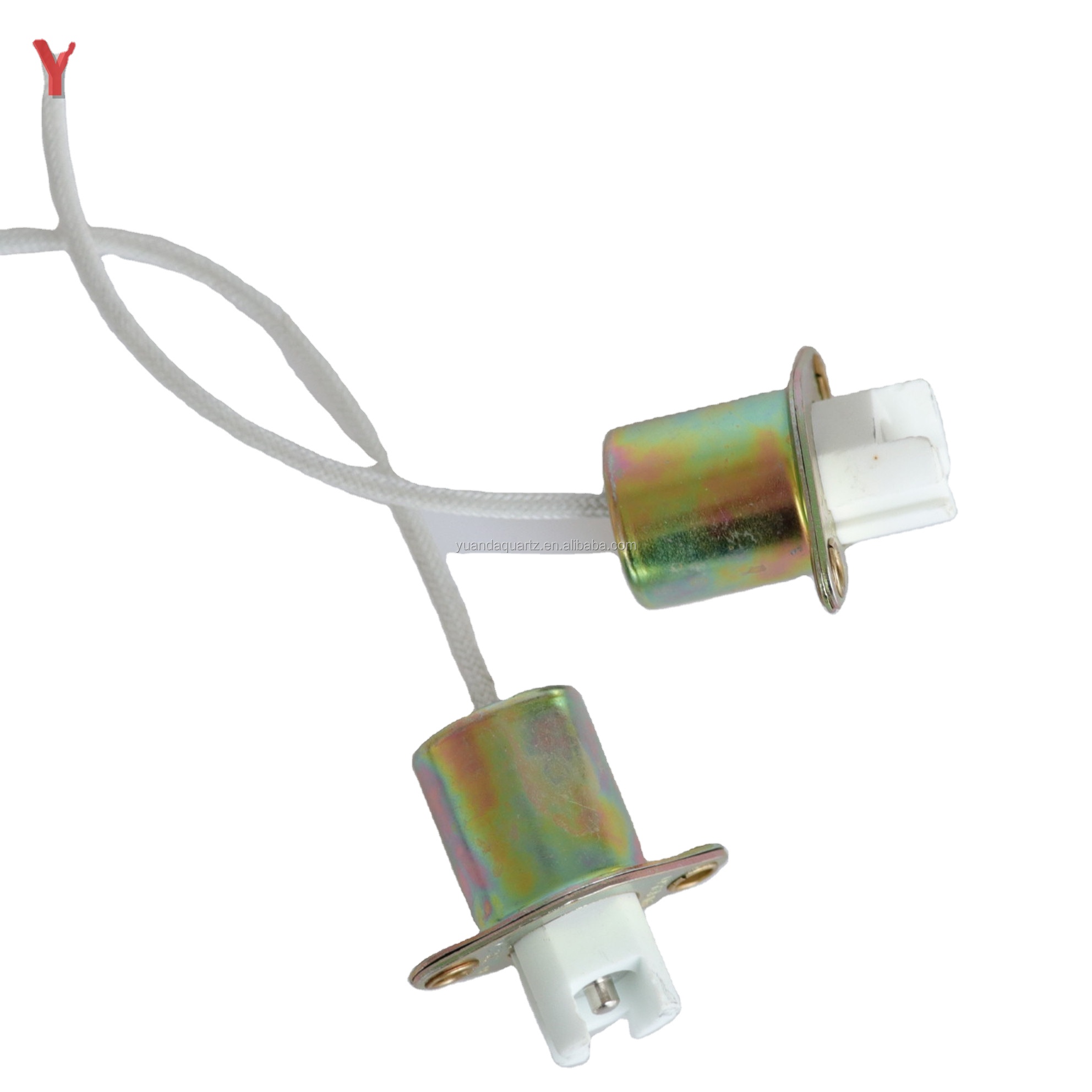
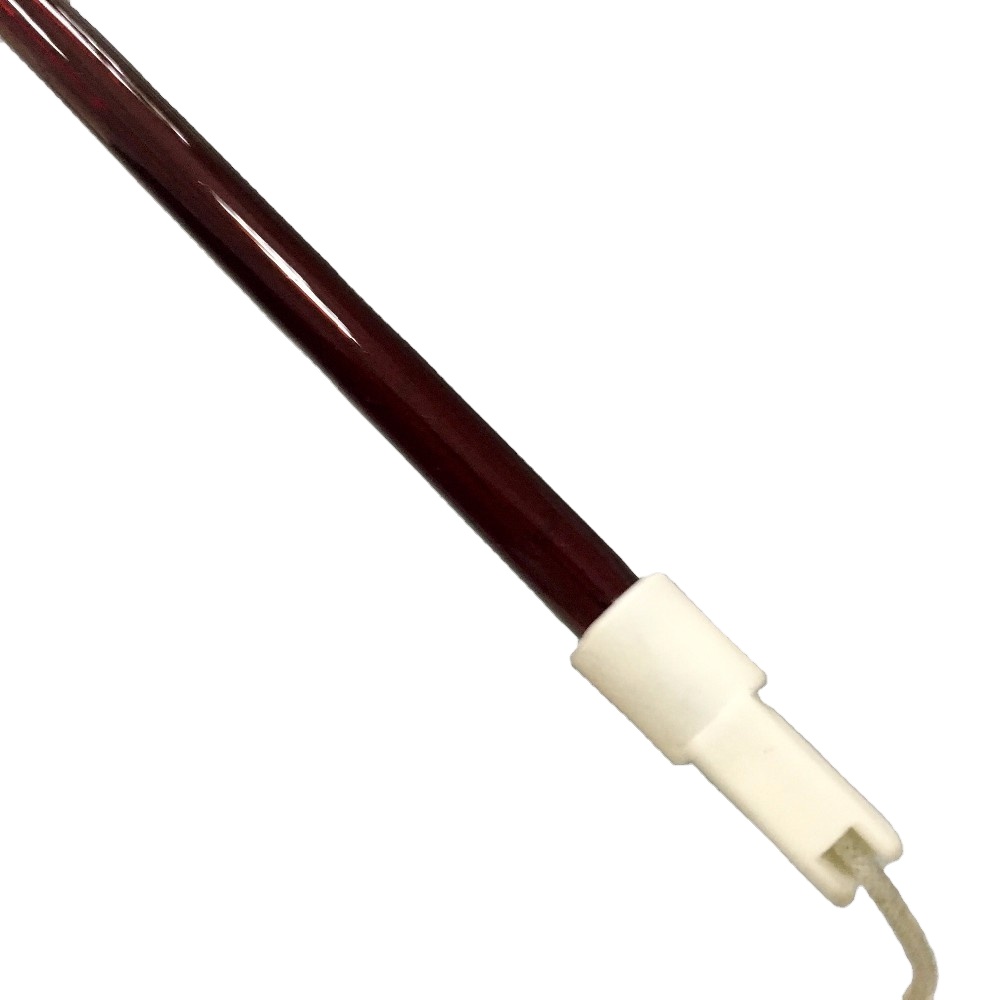
High Quality Ruby Infrared Heating Lamp for Poultry Chicken and Duck Farm Heating
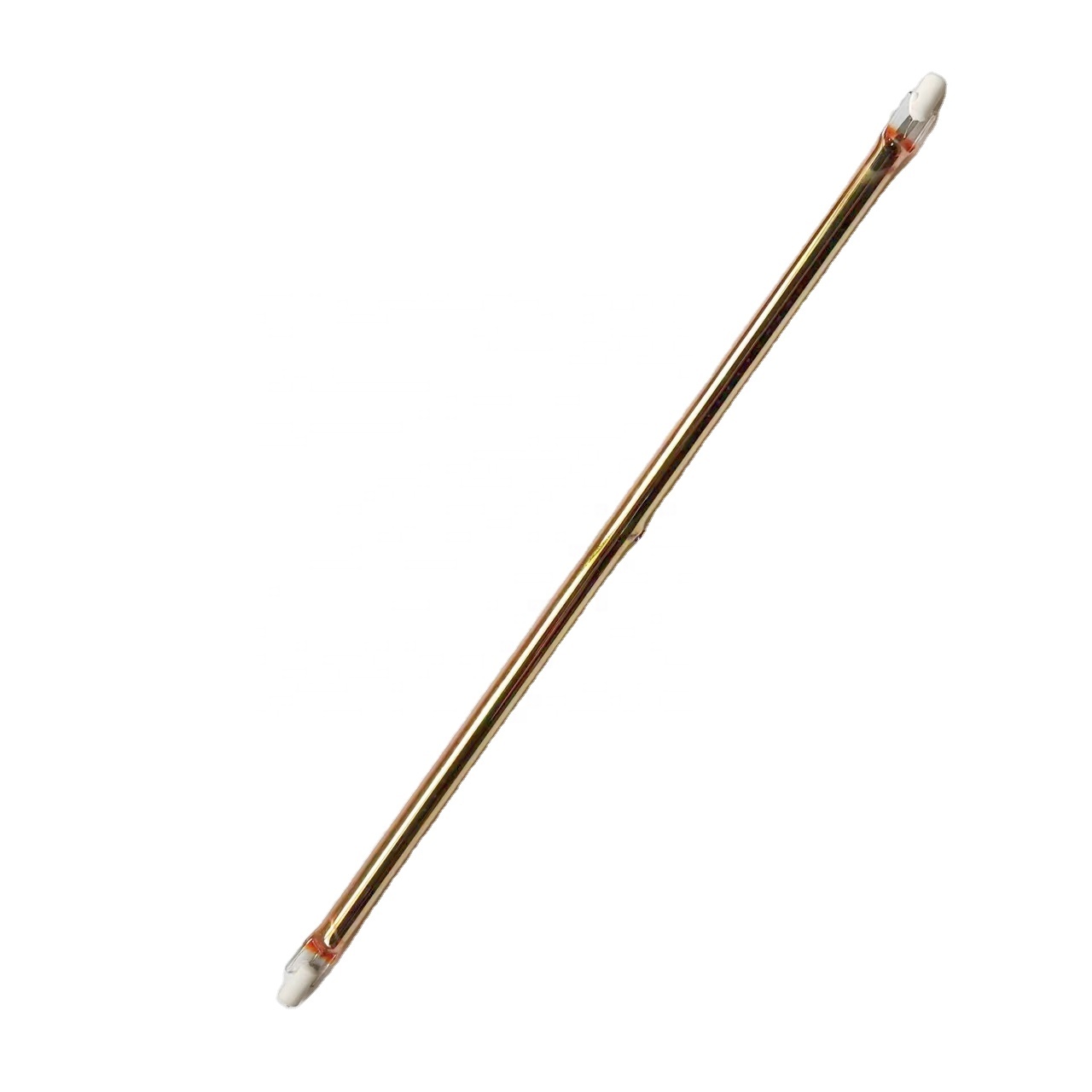
Low Prices R7S Short Wave Halogen Infrared Heating Lamp for Bread Toaster
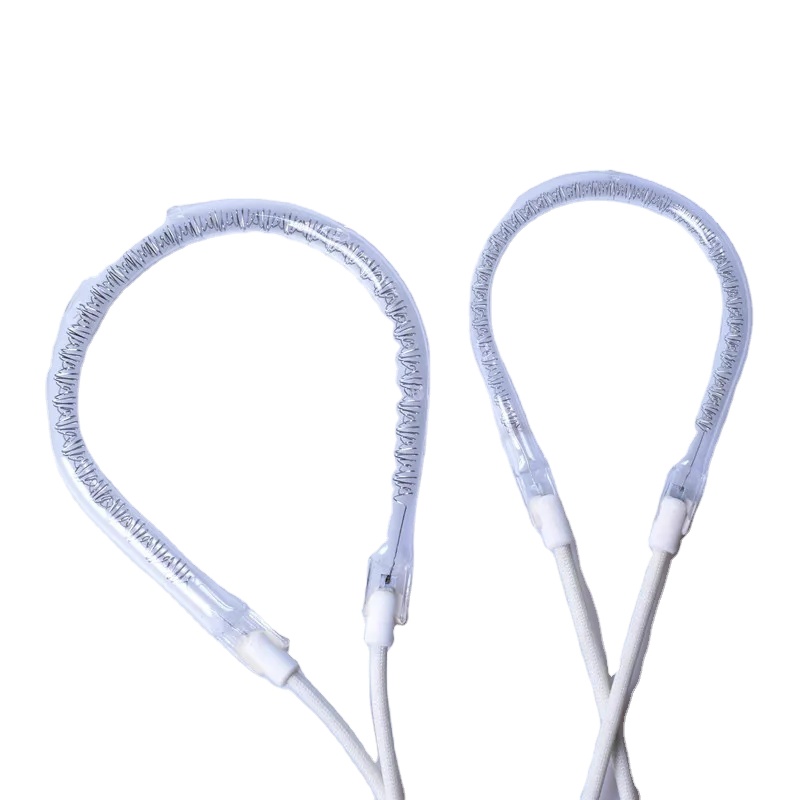
OEM Strong Manufacturer Ruby Infrared Bulb Heat Lamp for Heating
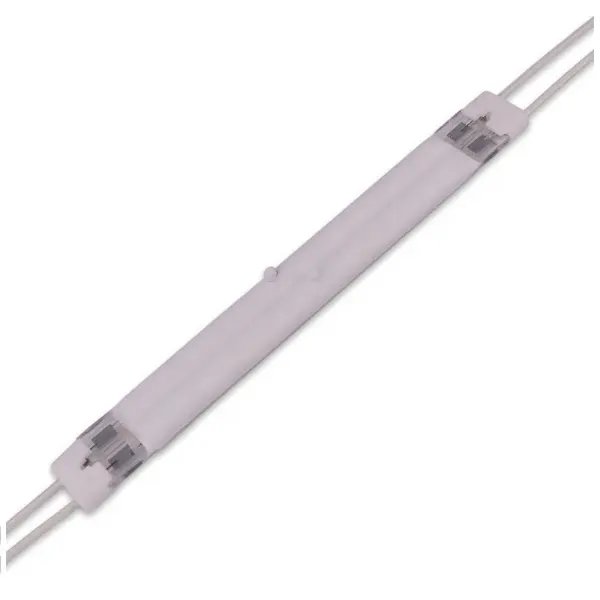
Halogen Half White Twin Tube Infrared Heating Lamp for PET Blowing Preheating
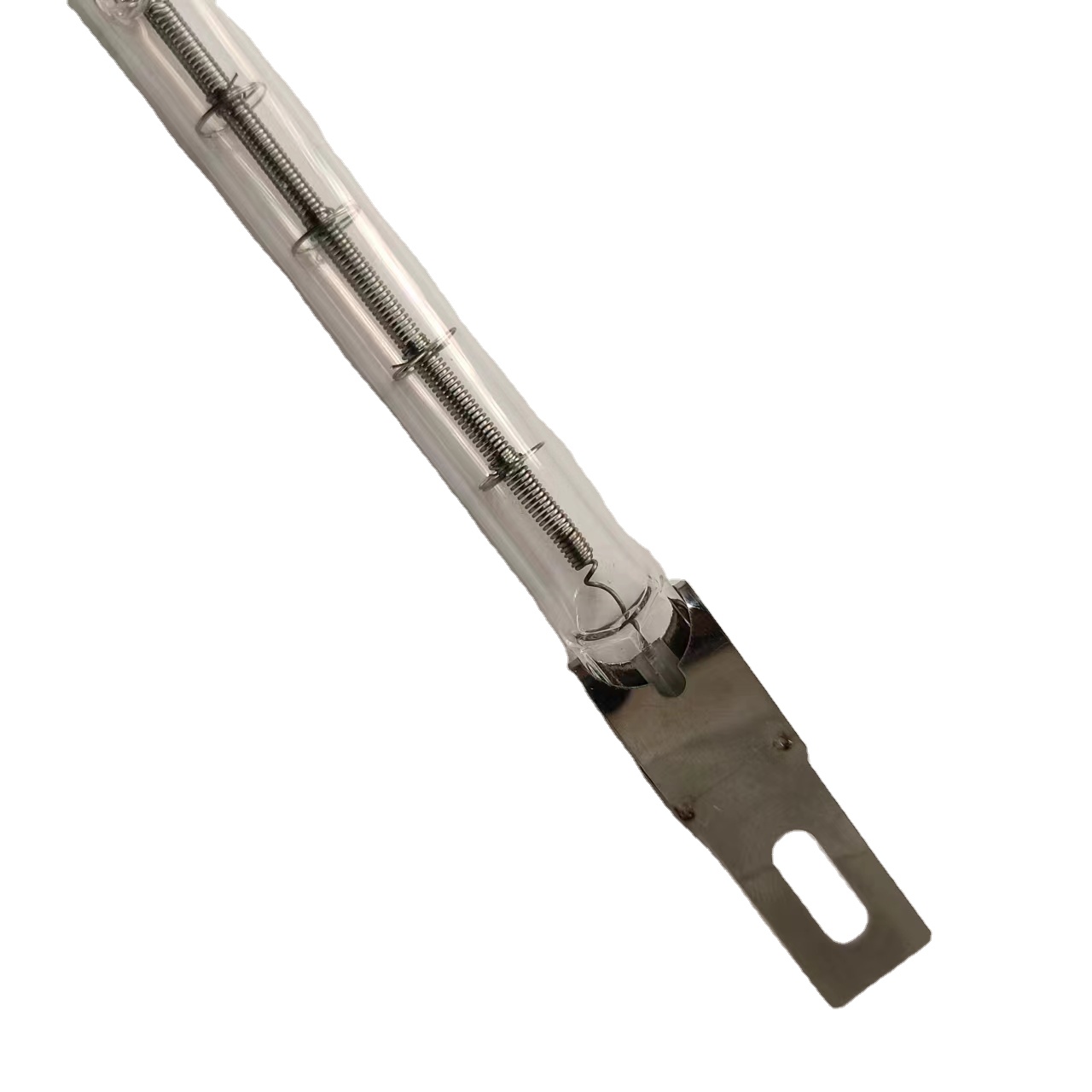
Cheap Wholesale 220V 1000W Quartz Infrared Heat Lamp for Processing Industrial
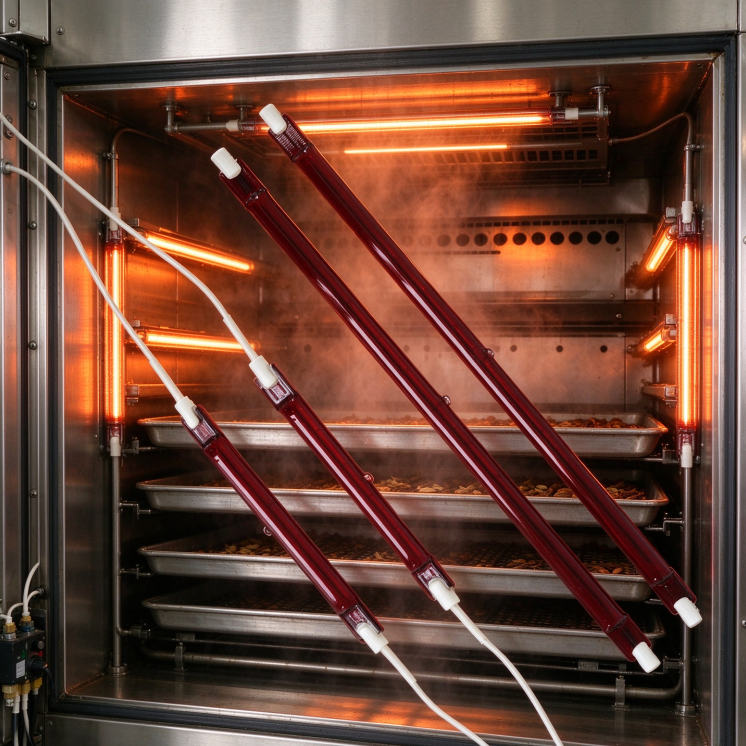
Wholesale Infra Red IR Quartz Glass Infrared Heater Lamp for Infrared Drying Oven
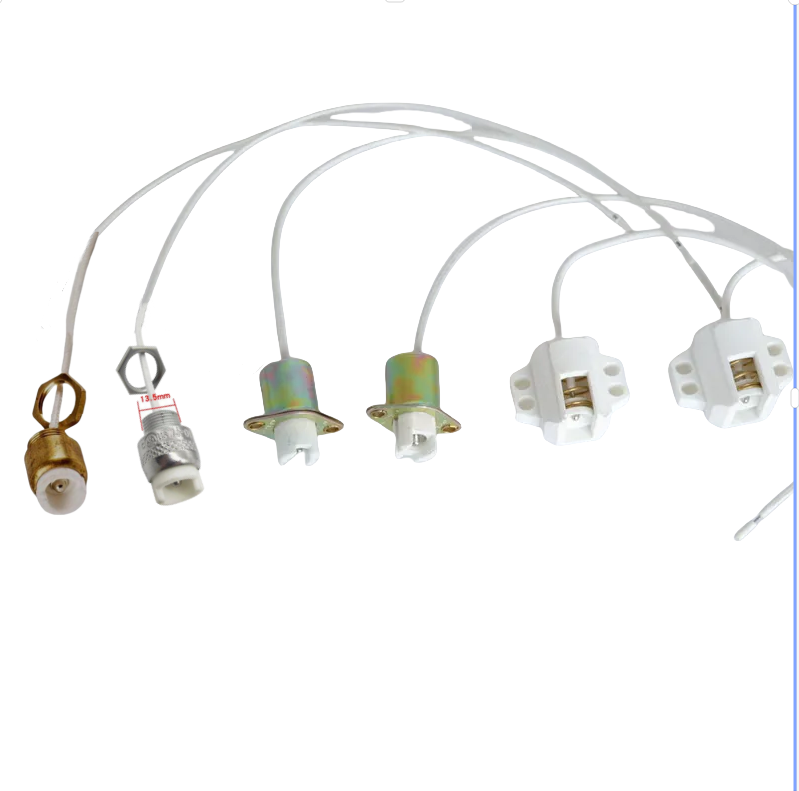
Halogen Infrared Heating Lamp R7S Ceramic Lamp Holder R7S Ceramic Lamp Holder
Engineering Precision Quartz Capillary Tubes: The Silica Architecture
Why leading optical, analytical, and thermal equipment manufacturers rely on Lianyungang fused silica crystal networks over standard borosilicate and aluminosilicate glass alternatives.
Crystalline Purity & OH- Depletion
Kavri Quartz selects raw silica sand sourced from the Donghai mineral belt, achieving SiO2 content greater than 99.99%. Hydroxyl (OH-) content is tightly managed below 15 ppm using thermal vacuum dehydroxylation, which eliminates structural micro-bubbles, suppresses infrared absorption dips at 2.73 µm, and prevents high-temperature devitrification up to 1250°C.
Ultra-Low Thermal Expansion
With an extremely low thermal coefficient of linear expansion (α = 5.5 × 10⁻⁷ / K between 20°C and 1000°C), our quartz capillaries and heating envelopes resist catastrophic thermal shock. Components heated to 1100°C can be quenched directly into ice-cold water without structural cleavage, micro-fissuring, or optical deformation.
Micro-Bore Drawing & Geometric Precision
Employing computer-regulated vertical drawing towers with real-time laser diffraction outer-diameter (OD) and inner-diameter (ID) measurement loops, our capillary lines guarantee inner bores as small as 0.05 mm (50 µm) with concentricity ratings ≤ 1.5%. This makes them ideal for gas chromatography, HPLC cells, fiber-optic ferrules, and microfluidics.
Spectral Transmission Range
From deep ultraviolet (185 nm VUV cut-off for excimer-grade synthetic quartz) through visible wavelengths and deep into the near/mid-infrared spectrum (reaching up to 4.5 µm), fused quartz delivers high optical transmission (> 92% across critical industrial bands). This allows maximum photon penetration in photolithography, UV disinfection, and rapid infrared curing.
Dielectric Strength & Inertness
Fused silica features outstanding electrical resistivity (1018 Ω·cm at 20°C) and chemical inertness against harsh reagent fluids, including boiling nitric, sulfuric, and hydrochloric acids (excluding hydrofluoric and hot phosphoric acids). It serves as a dependable insulating conduit for high-voltage and high-temperature vacuum equipment.
Reflective Coatings & Twin-Tube
To maximize radiant flux delivery, Kavri integrates high-adhesion gold reflectors (96% IR reflection efficiency) and white ceramic diffuse reflectors (facing continuous 1000°C ambient oven atmospheres) directly onto twin-tube (figure-8 profile) or single quartz capillary lamp surfaces, focusing thermal energy directly onto process workpieces.
Future Procurement Trends in Quartz Capillary & IR Emitter Sourcing
How supply chain executives, system integrators, and plant engineers are navigating geopolitical shifts, raw silica sourcing, and clean-energy production requirements over the next decade.
1. Direct OEM Supply Alignment
Procurement directors are shifting away from high-markup regional intermediaries toward direct collaborations with integrated Chinese factories. By working directly with factories located in quartz clusters like Lianyungang, procurement teams reduce lead times by 40%, gain direct engineering oversight of custom tooling, and eliminate third-party inventory premiums.
2. Demand for Sub-Micron Precision
With analytical instrumentation, genome sequencing, and capillary electrophoresis advancing rapidly, the market requires internal bore tolerances down to ± 0.003 mm. Buyers demand automated traceability with accompanying optical profilometry and laser gauge inspection reports for every production lot.
3. Electrification & Rapid Curing
Decarbonization initiatives in automotive paint lines, composite curing, and PET container production are accelerating the replacement of gas-fired convection ovens with high-efficiency shortwave tungsten halogen and carbon fiber medium-wave quartz radiators. This transition reduces electricity consumption by up to 35% through instant-on/off thermal modulation.
Emerging Technology Trends in Fused Quartz Capillary Fabrication
From synthetic silica chemistry to laser flame polishing, technological innovations are redefining the boundaries of high-performance glass component manufacturing.
Synthetic Silica Preforms
While natural crystalline quartz continues to lead industrial thermal applications, CVD-synthesized soot preforms (synthetic fused silica) are setting new standards for deep-UV optical transmission down to 185 nm and negligible bubble inclusion counts, serving high-end excimer laser optics and semiconductor wet-bench sensors.
Microfluidic & Multi-Lumen Bores
Modern medical diagnostics, flow-injection analyzers, and biochemistry cells increasingly require multi-lumen capillary configurations (e.g., dual-bore, four-bore, and eccentric configurations). Automated glass-drawing technology ensures consistent inter-bore wall integrity and minimal flow resistance across miniature fluid channels.
Advanced Anti-Devitrification Doping
Doping high-purity quartz melts with trace cerium, titanium, or ruby elements selectively filters out unwanted UV or visible bands. In parallel, nano-ceramic outer coatings provide surface stabilization against alkali ion migration, extending capillary life in harsh chemical and thermal environments.
Fused Quartz Capillary & Emitter Technical Benchmark
Review standard physical, thermal, and optical parameters to select the appropriate specification for your operational engineering envelope.
| Material / Emitter Type | SiO2 Purity (%) | Softening Point | Max Working Temp | Thermal Expansion (α) | Target Spectrum / Band | Standard Bore / OD Tolerance |
|---|---|---|---|---|---|---|
| Clear Fused Quartz Capillary | ≥ 99.99% | 1680 °C | 1100 °C continuous | 5.5 × 10⁻⁷ / K | 260 nm – 3.5 µm | ± 0.005 mm |
| Dehydroxylated (Low-OH) Silica Tube | ≥ 99.995% | 1710 °C | 1150 °C continuous | 5.4 × 10⁻⁷ / K | Broad IR (No 2.73 µm dip) | ± 0.010 mm |
| Tungsten Halogen Shortwave Tube | ≥ 99.99% | 1680 °C | 900 °C envelope | 5.5 × 10⁻⁷ / K | Peak 1.0 – 1.2 µm | ± 0.10 mm |
| Ruby Anti-Glare Shortwave Lamp | Doped Quartz | 1650 °C | 850 °C envelope | 5.8 × 10⁻⁷ / K | Infrared filtered red light | ± 0.15 mm |
| Carbon Fiber Medium-Wave Emitter | ≥ 99.99% | 1680 °C | 800 °C envelope | 5.5 × 10⁻⁷ / K | Peak 2.0 – 2.5 µm | ± 0.10 mm |
| Twin-Tube (Figure-8) Fused Profile | ≥ 99.99% | 1680 °C | 950 °C envelope | 5.5 × 10⁻⁷ / K | Directional IR (Gold/Ceramic) | ± 0.20 mm |
Verified Factory Strengths & Manufacturing Infrastructure
Combining raw mineral access in Donghai with automated fabrication in Lianyungang, Kavri Quartz Product Co., Ltd. delivers engineered reliability for high-volume OEMs and custom research setups worldwide.
Geographic Raw Material Advantage
Located in Lianyungang, Jiangsu — directly adjacent to Donghai, China's central silica processing center — our facility maintains a stable, high-grade crystalline raw quartz supply line. This raw material security protects our international customers from supply chain bottlenecks and cost fluctuations.
10+ Years Onsite-Verified OEM/ODM
Established in 2014, audited onsite by Alibaba.com and independent international testing agencies, our operations combine 3 dedicated production lines with veteran glassmasters who bring over 20 years of flame-lathe and capillary-drawing experience.
Full-Spectrum Metrology & Quality Control
Every shipment undergoes multi-point inspection: non-contact laser micrometer dimensional checks, spectrophotometric transmission validation, vacuum leak mass spectrometry, and high-temperature thermal cycle endurance checks before custom foam packaging.
Rapid Drawing & Sampling
Custom engineering drawings and non-standard capillary prototypes can be prepared in as little as 3 to 5 business days. Our engineers review OEM cad files, physical samples, or broken legacy components, rapidly returning tailored proposals with optimized wall thickness and tolerance definitions.
Export Logistics & Shockproof Crating
With 81% to 90% of our products exported to Germany, the Netherlands, Japan, South Korea, and the United States, our logistics teams use custom shock-absorbing foam inserts, reinforced honeycomb cartons, and ISPM-15 compliant export plywood crates to ensure zero-breakage delivery via air or ocean freight.
Guaranteed Sub-4-Hour Response
Industrial lines cannot wait. Our technical sales engineering team operates on a 24/7 cross-timezone schedule, ensuring formal quotes, engineering feasibility reviews, and order tracking responses are delivered to your inbox within four hours of inquiry submission.
Frequently Asked Questions on Quartz Capillary Sourcing
Direct technical answers addressing critical tolerance criteria, material certification, packing safety, and commercial terms for enterprise buyers.
For standard micro-capillary series, we maintain tolerances of ± 0.005 mm to ± 0.01 mm using continuous on-line laser micrometer feedback loops. For specialized research-grade or chromatography capillary bores, tighter tolerances (± 0.003 mm) can be achieved upon engineering review. Standard industrial furnace and heating tubes typically run at ± 0.1 mm to ± 0.2 mm depending on nominal diameter.
We follow a multi-tier protective packaging protocol. Fragile quartz capillaries are first bundled in anti-static, dust-free plastic sleeves, nested within pre-slotted high-density EPE (Expanded Polyethylene) foam compartments, encased in heavy-duty triple-wall corrugated boxes, and then palletized inside export plywood crates with shock-watch indicator labels. Over 99.8% of our shipments arrive in factory-inspected condition.
Natural fused quartz is drawn from high-purity natural silica sand (~99.99% SiO2). It offers mechanical strength, high softening points (1680°C), and cost-effective thermal performance, making it the standard choice for infrared heating elements, furnace viewports, and general laboratory quartzware. Synthetic fused silica is produced by chemical vapor synthesis (SiCl4 feedstock), yielding > 99.9999% purity with virtually zero heavy metal inclusions and higher transmission in the deep UV (down to 185 nm), typically chosen for semiconductor photolithography and UV optics.
Yes. A core component of our OEM business is reverse-engineering discontinued, out-of-stock, or legacy European/American infrared emitters. Provide a technical drawing, broken sample, or detailed nameplate parameters (wattage, voltage, total length, heated zone length, cap geometry, and lead wire termination), and our engineering team will produce an exact-fit functional replacement within 7 to 10 days.
For standard off-the-shelf quartz capillary profiles and stock infrared lamps, our minimum order quantity starts as low as 8 to 10 pieces to support testing and replacement needs. Custom capillary drawing runs or specialized twin-tube emitters generally carry an MOQ of 20 to 50 pieces. Standard production lead time is 7 to 15 business days depending on volume and coating specifications.
All shipments can be accompanied by raw material Certificate of Analysis (COA) confirming SiO2 purity, RoHS & REACH environmental compliance declarations, dimensional inspection checklists, and Certificate of Origin (CO/Form A/Form E) for preferential customs duty clearance across global ports.
Initiate Your Custom Quartz Capillary & Emitter RFQ Today
Send your CAD drawings, operational parameters, or replacement specifications directly to our engineering team in Lianyungang, China. We guarantee comprehensive technical feedback and commercial proposals within 4 working hours.