High-Purity Quartz Glass & Thermal Processing Elements
Combining proprietary electric-arc continuous drawing with precision glass fabrication. Discover our certified line of quartz glass components, industrial infrared emitter tubes, and high-temperature lamp assemblies.
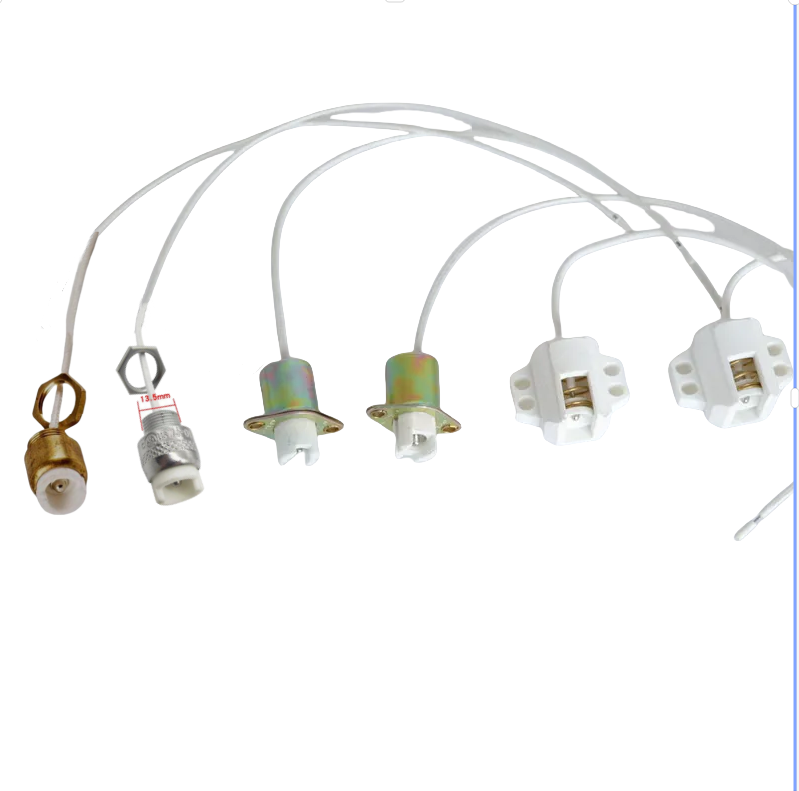
Halogen Infrared Heating Lamp R7S Ceramic Lamp Holder
View Specifications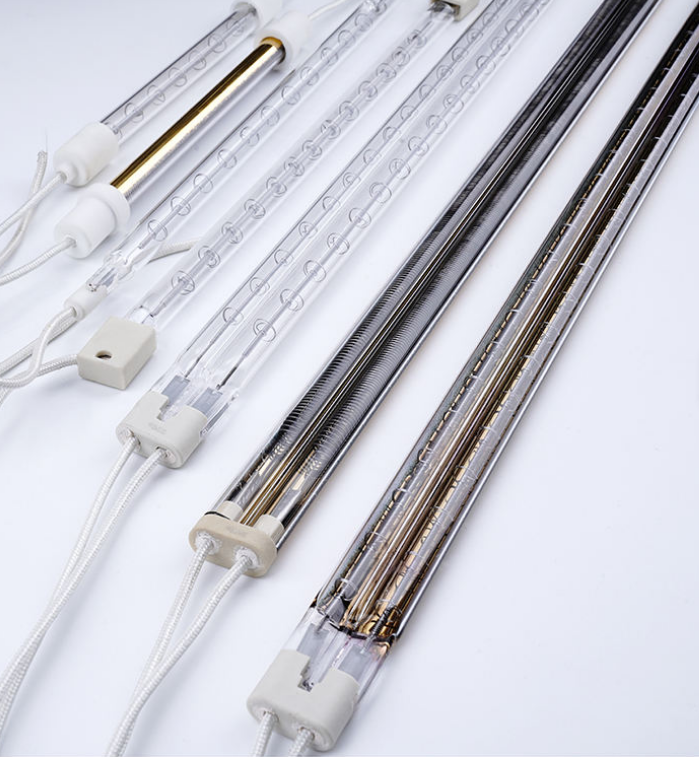
Factory Supply 220v Infrared Heater Lamp for PET Blowing Machines
View Specifications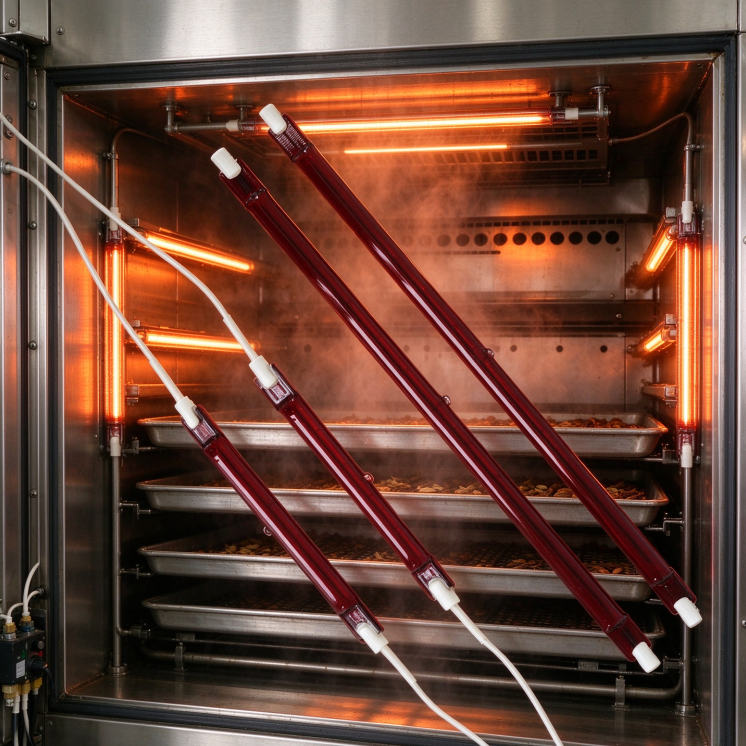
Wholesale Infra Red IR Quartz Glass Infrared Heater Lamp for Drying Oven
View Specifications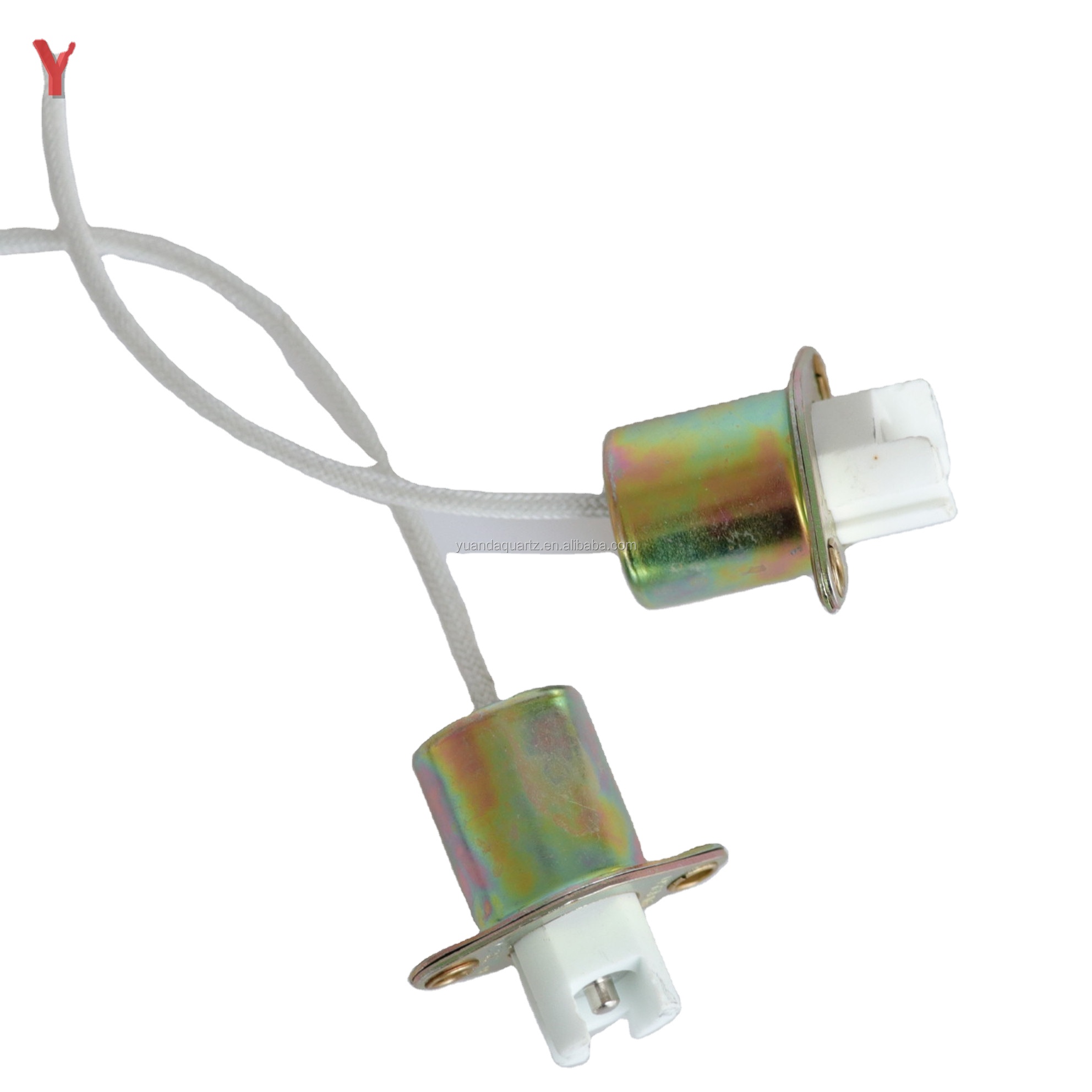
R7S Halogen Infrared Lamp Ceramic Lamp Holder Assembly
View Specifications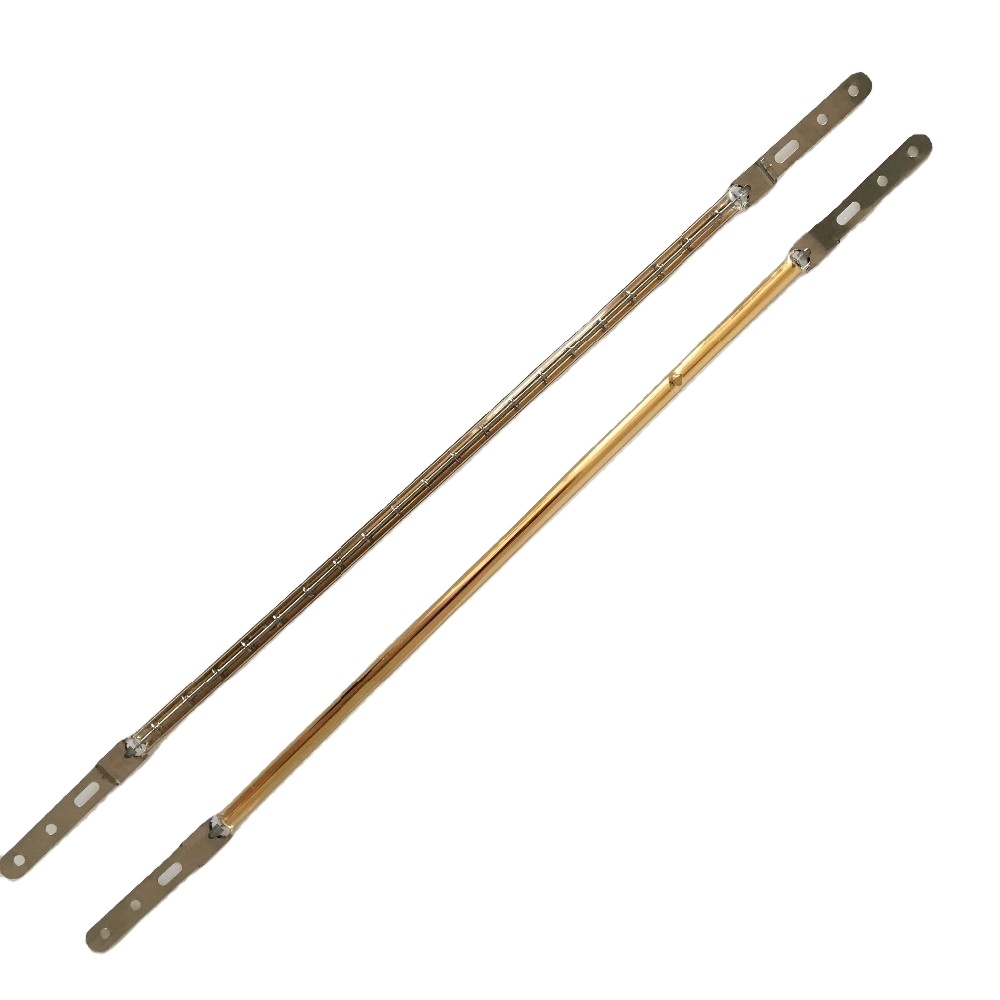
Halogen Quartz Half Gold Infrared Heating Lamps for Screen Printing
View Specifications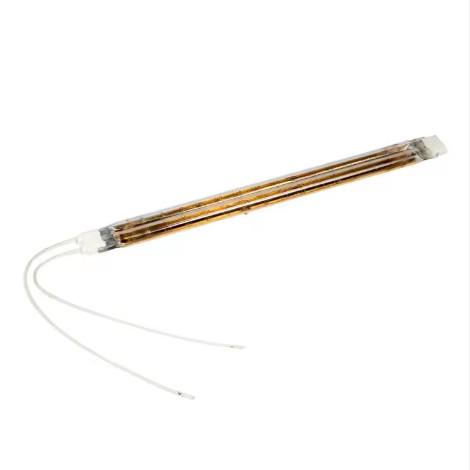
Halogen Double Tube Half Gold Infrared Heating Lamp for Blowing Machine
View Specifications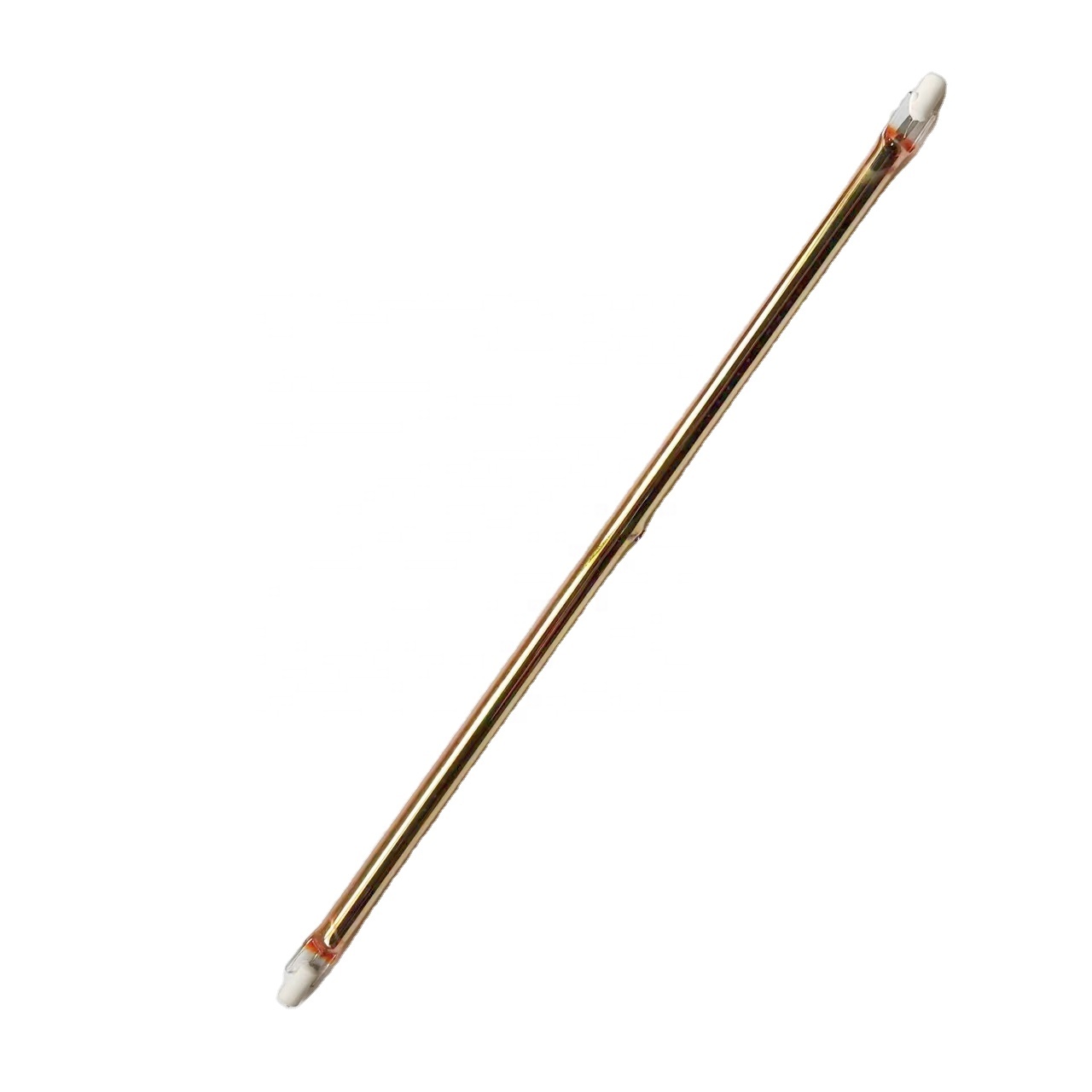
Low Prices R7S Short Wave Halogen Infrared Heating Lamp for Toaster
View Specifications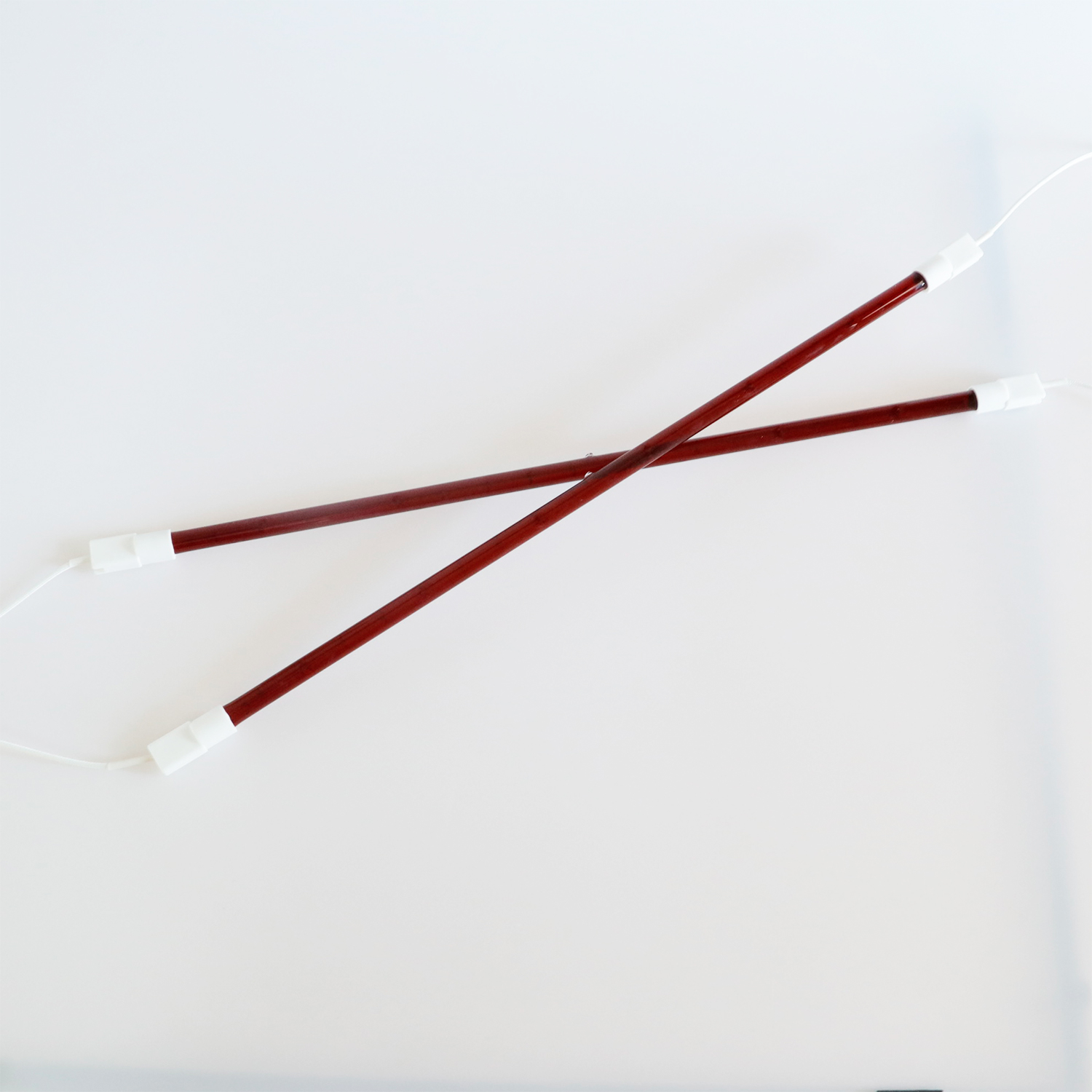
Ruby Short Wave Quartz Tube 1000W IR Heating Lamp for Auto Paint Drying
View SpecificationsPrecision Fused Silica Rods: Metallurgy, Optics & Thermal Dynamics
A comprehensive technical deep-dive into why fused silica glass rods represent the gold standard for semiconductor handling, fiber preforms, chemical reactors, and industrial infrared heating envelopes.
Fused silica (vitreous silica) is an amorphous, single-component glass composed almost exclusively of high-purity silicon dioxide (SiO₂ ≥ 99.99%). Unlike multi-component borosilicate or soda-lime glasses, fused silica exhibits an absence of crystalline structure combined with an extremely dense, three-dimensional tetrahedral network. This microscopic arrangement gives fused silica rods unrivaled physical, thermal, dielectric, and optical characteristics that make them essential in modern advanced manufacturing.
Thermal Shock Resistance
With an extremely low expansion coefficient, fused quartz rods can be heated to 1150°C and plunged immediately into cold water without micro-cracking or catastrophic failure. This provides maximum protection for semiconductor furnace carriers and high-power IR lamps.
Broadband Optical Transmission
Our flame-fused and synthetic silica rods offer broad spectral transmission extending seamlessly from the Deep Ultraviolet (DUV ~190 nm) through the visible spectrum into the mid-infrared (~3500 nm), with transmission efficiency exceeding 92% in key bands.
Exceptional Chemical Inertness
Fused silica is non-reactive to virtually all industrial acids, halogen gases, and organic solvents even at elevated temperatures (with the sole exception of hydrofluoric acid and concentrated hot phosphoric acid), eliminating batch cross-contamination.
| Material Property | Electrically Fused Silica (Type I) | Flame-Fused Quartz (Type II) | Synthetic Silica (Type III / IV) | Standard Borosilicate 3.3 |
|---|---|---|---|---|
| SiO₂ Purity Level | ≥ 99.99% | ≥ 99.995% | ≥ 99.9999% | ~ 81% SiO₂ |
| Hydroxyl [OH⁻] Content | < 5 – 20 ppm | 150 – 250 ppm | Up to 1000 ppm (or <1ppm Doped) | N/A (Multi-Oxide) |
| Softening Point (°C) | 1680 °C | 1665 °C | 1600 °C | 820 °C |
| Continuous Working Temp | 1100 °C | 1150 °C | 1150 °C | 500 °C |
| Thermal Expansion (0–300°C) | 5.5 × 10⁻⁷ / K | 5.5 × 10⁻⁷ / K | 5.2 × 10⁻⁷ / K | 33 × 10⁻⁷ / K |
| Typical Industrial Roles | Furnace Rods & IR Heaters | Optical Waveguides & Sight Rods | Semiconductor & Laser Optics | General Laboratory Glassware |
Future Procurement Trends in Fused Silica & IR Thermal Systems
Key technological, geopolitical, and environmental catalysts shaping global supply chains, material specifications, and volume procurement strategies over the next decade.
Wafer Scaling in Semiconductors
As 3nm fabrication nodes and vertical 3D-NAND stack heights accelerate worldwide, diffusion furnace cassettes and wafer handling push rods require tighter geometric circularity (±0.01mm) and trace-metal impurity thresholds below 1 part-per-billion.
TOPCon & Perovskite Photovoltaics
N-type high-efficiency solar cells require advanced thermal processing with precise quartz rod support structures and fast-acting halogen heating lamps to minimize thermal budgets and prevent boron-oxygen defect formation.
Electric IR vs. Fossil Fuel Drying
Global net-zero mandates are pushing automotive body shops, textile finishers, and packaging lines away from gas convection ovens toward targeted short-wave quartz infrared heaters, achieving 60% energy reduction and sub-second warm-up.
Donghai Silicon Supply Consolidation
China's Donghai quartz cluster continues to dominate 80%+ of raw crystal refining and precision drawing capacity, delivering up to 40% cost advantages compared to Western fabricators without sacrificing purity or optical grade certifications.
Miniaturization of Capillary Rods
Chromatography, microfluidic biomedical diagnostics, and endoscopic laser surgery fiber leads demand tight-bore silica capillaries with inner-diameter tolerances below 5 micrometers, shifting focus from raw volume to advanced laser-assisted drawing.
Direct OEM Integration & Digital CAD
Modern machine builders increasingly bypass domestic intermediaries in favor of direct digital collaboration with Chinese quartz factories—leveraging direct step-file CAD sharing, rapid prototype tooling, and DDP sea/air door-to-door delivery.
Why Partner with Kavri Quartz in Lianyungang, China
Combining the geopolitical raw material advantages of China’s crystal capital with 10+ years of high-precision OEM thermal glass manufacturing experience.
Donghai Cluster Advantage
Situated in Lianyungang, Jiangsu, adjacent to Donghai County—the epicenter of global quartz purification. Direct access to raw high-purity silica sand lowers raw material logistics costs and ensures uncompromised feedstock consistency.
Comprehensive OEM/ODM Engineering
Over a decade of manufacturing experience customized to exact client engineering blueprints. Full flexibility on rod diameter (1mm to 120mm), length, surface fire-polishing, mechanical centerless grinding, and custom terminal configurations.
Global Export Verification
With 81%–90% of annual output shipped to Germany, the Netherlands, the United States, Japan, and South Korea, we fully understand strict export compliance, shock-proof packaging, and flexible international trade terms (FOB, CIF, DDP).
Frequently Asked Questions on Fused Silica Rod Sourcing
Clear, direct technical and commercial answers addressing dimensional tolerances, material testing, packing safety, and custom manufacturing parameters.
What is the difference between fused quartz rods and fused silica rods?
In industry parlance, "fused quartz" refers to glass made by melting naturally occurring high-purity crystalline quartz sands (Types I and II), yielding low OH content ideal for high-temperature IR emitters and semiconductor carriers. "Fused silica" usually refers to synthetic amorphous silica produced by chemical vapor deposition of silicon halides (Type III and IV), which features virtually zero metallic impurities and superior DUV optical transmission.
What dimensional tolerances can you achieve on quartz solid rods?
For standard continuous electric drawing rods, diameter tolerances are held within ±0.10 mm to ±0.25 mm. For high-precision optical and semiconductor applications, our CNC centerless grinding and laser-gauged polishing lines can deliver outer diameter (OD) tolerances down to ±0.02 mm with circularity deviation under 0.01 mm.
How do you categorize and verify bubble and inclusion standards?
We test and inspect rods in accordance with international standards like DIN 58927 and ISO 12123. Depending on project specifications, rods can be graded from commercial industrial grade (Class 3/4) up to bubble-free optical grade (Class 0/1, no visible inclusions or air lines under cross-polarization inspection).
Can you produce capillary rods and multi-bore shaped profiles?
Yes. Kavri Quartz operates specialized vertical and horizontal drawing towers capable of fabricating single-bore capillary tubes, twin-bore D-tubes for twin-channel infrared lamps, square quartz rods, and custom multi-hole fiber ferrules with customized inner-diameter (ID) specifications.
What is your standard Minimum Order Quantity (MOQ) for custom rods?
For standard diameters (such as 3mm, 5mm, 8mm, 10mm, 12mm), we accommodate small trial orders starting from 10 to 20 pieces. For custom tooling, unique dopants, or complex ground dimensions, our typical prototyping batch starts from 50 pieces, with scalable volume discounts for containerized regular shipments.
How do you guarantee safe transit for fragile quartz glass components?
Every quartz rod and IR lamp is cushioned in individual expandable polyethylene (EPE) sleeves, grouped in shock-absorbing multi-cell corrugated cartons, and then enclosed in fumigation-free wooden export crates with internal foam damping. We maintain a verified shipping damage rate under 0.2% across sea, air, and international express routes.
Which surface finishes and end-face treatments are available?
We provide multiple end finishes based on your assembly method: rough cut (diamond saw), flat ground, 45° safety chamfered, optical pitch-polished (λ/4 flatness), and flame-polished round ends for sealed heater cores and sight glasses.
What technical drawings or parameters are required for a quotation?
Please share your target outer diameter, overall length, tolerance requirements, expected operating temperature, optical transmission needs, and surface finish. If replacing an existing part, sending a PDF drawing, 3D STEP file, or photographic sample with nameplate specs will allow our engineering team to provide a quote within 4 hours.
Request Custom Engineering Drawings & Volume Pricing
Consult directly with our Donghai factory engineering team. Whether you need prototype fused silica rods, custom ground optical pins, or replacement high-efficiency IR heating elements, we deliver certified quality on rapid lead times.