Engineered Thermal Solutions
Featured Industrial Quartz & Infrared Systems
Standardized and custom OEM heating solutions engineered in Lianyungang, combining heavy thermal shock resistance, tight dimensional tolerances, and high electro-thermal conversion efficiency.
R7S Ceramic • Modular
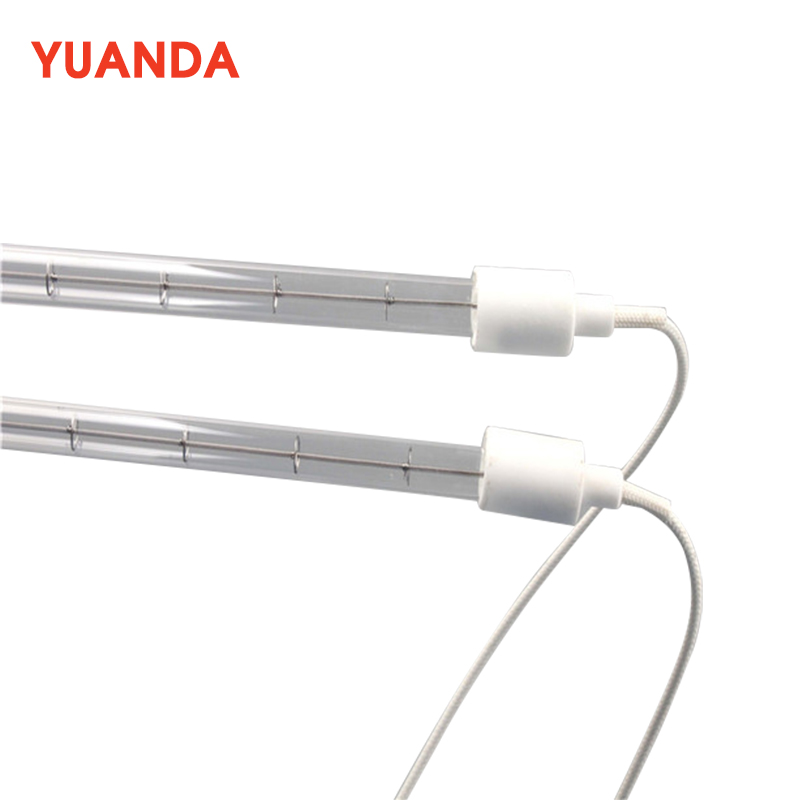
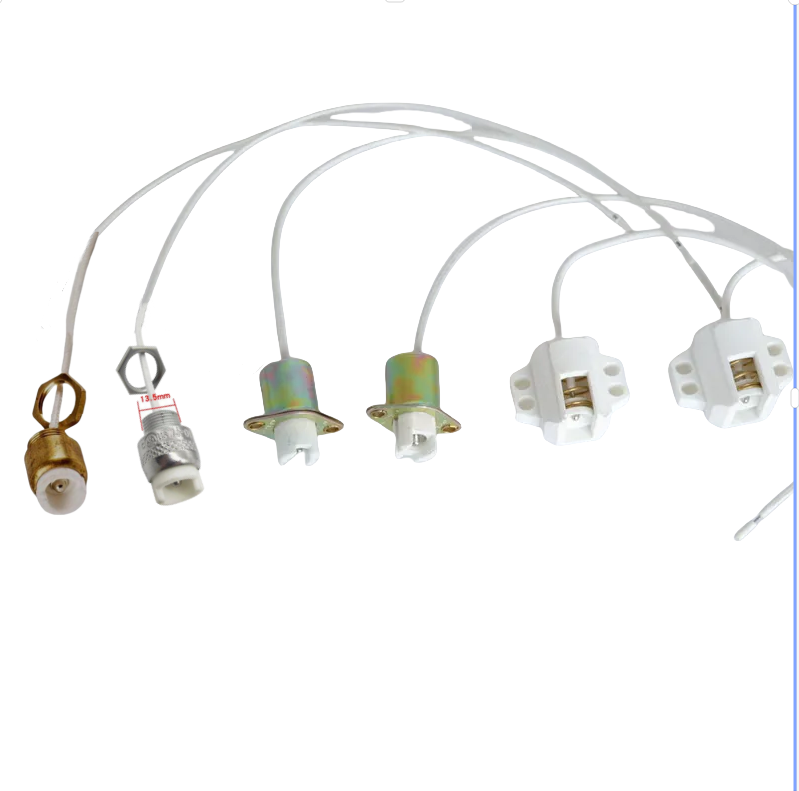
Halogen Infrared Heating Lamp R7S Ceramic Lamp Holder R7S Ceramic Lamp Holder
Drying Systems • High Efficacy
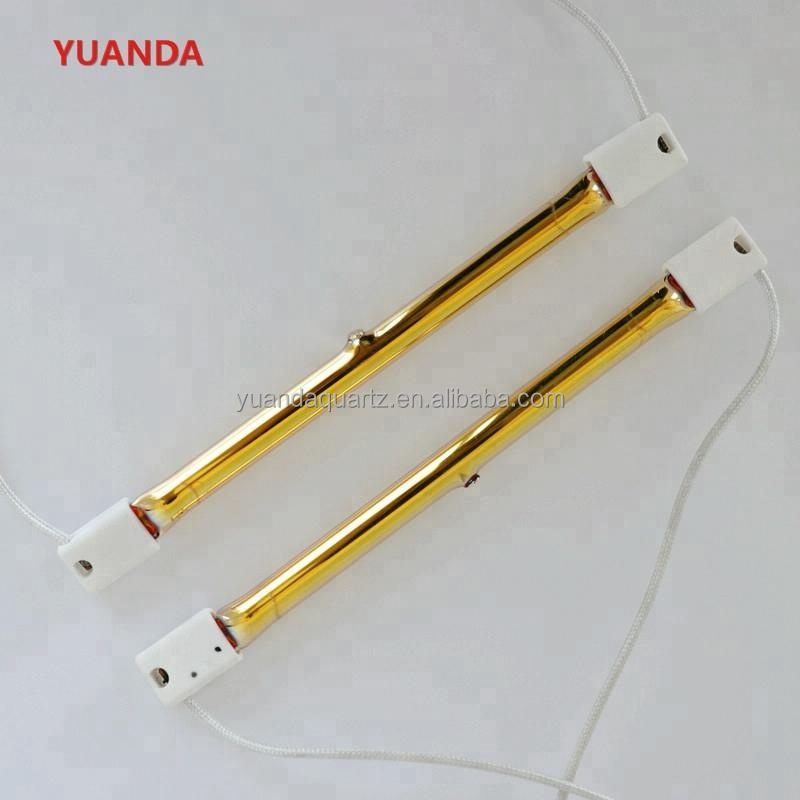
Infrared Heater Halogen Lamp Supports Customization for Drying Systems
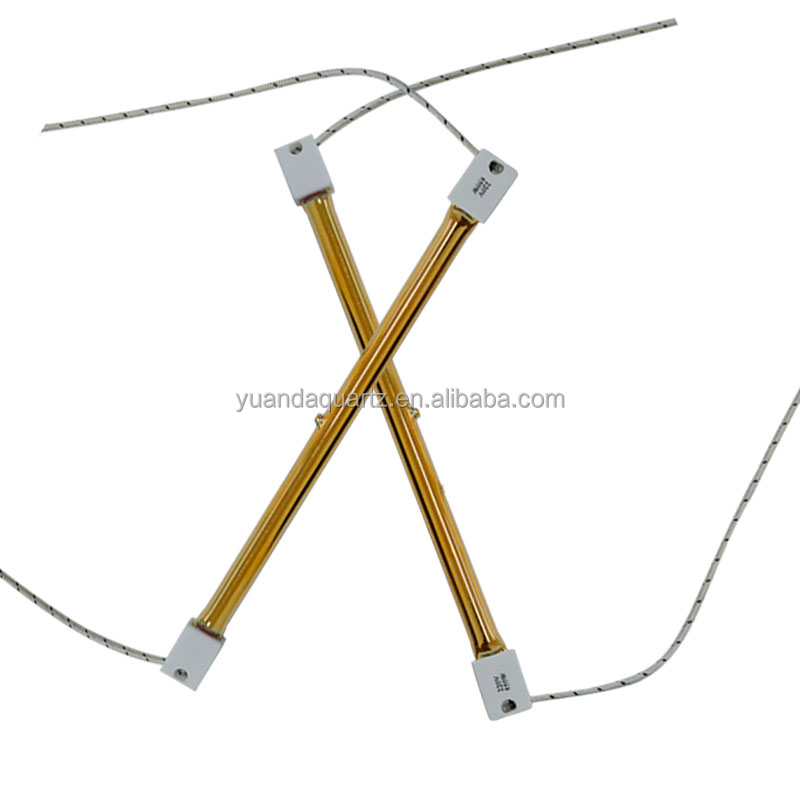
Full Gold Reflector • Directional
Full Gold Customized Infrared Heating Lamps for Screen Printing Machine
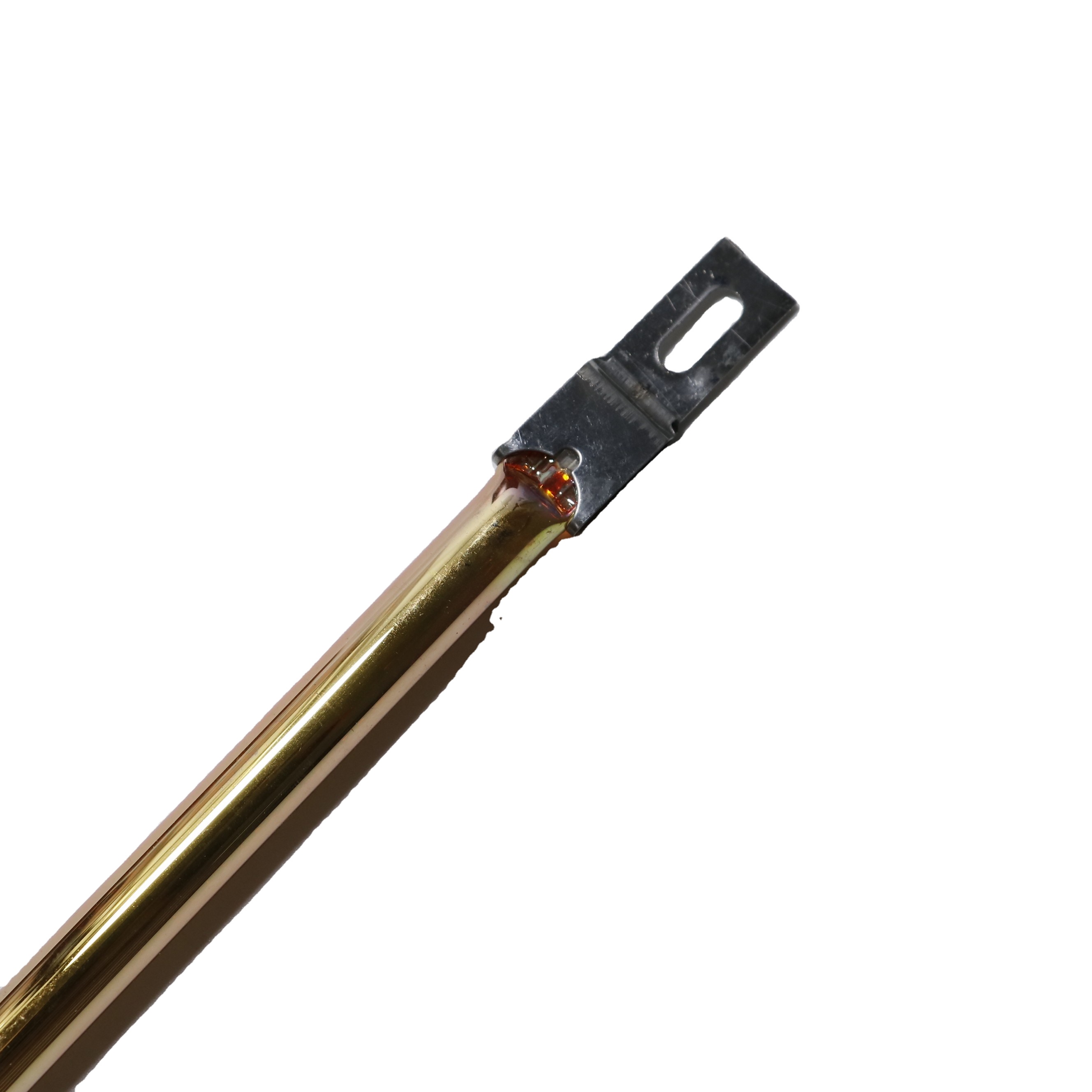
Heavy Industry • Direct Ray
Full Gold Quartz Infrared Heating Lamp for Industrial Processing
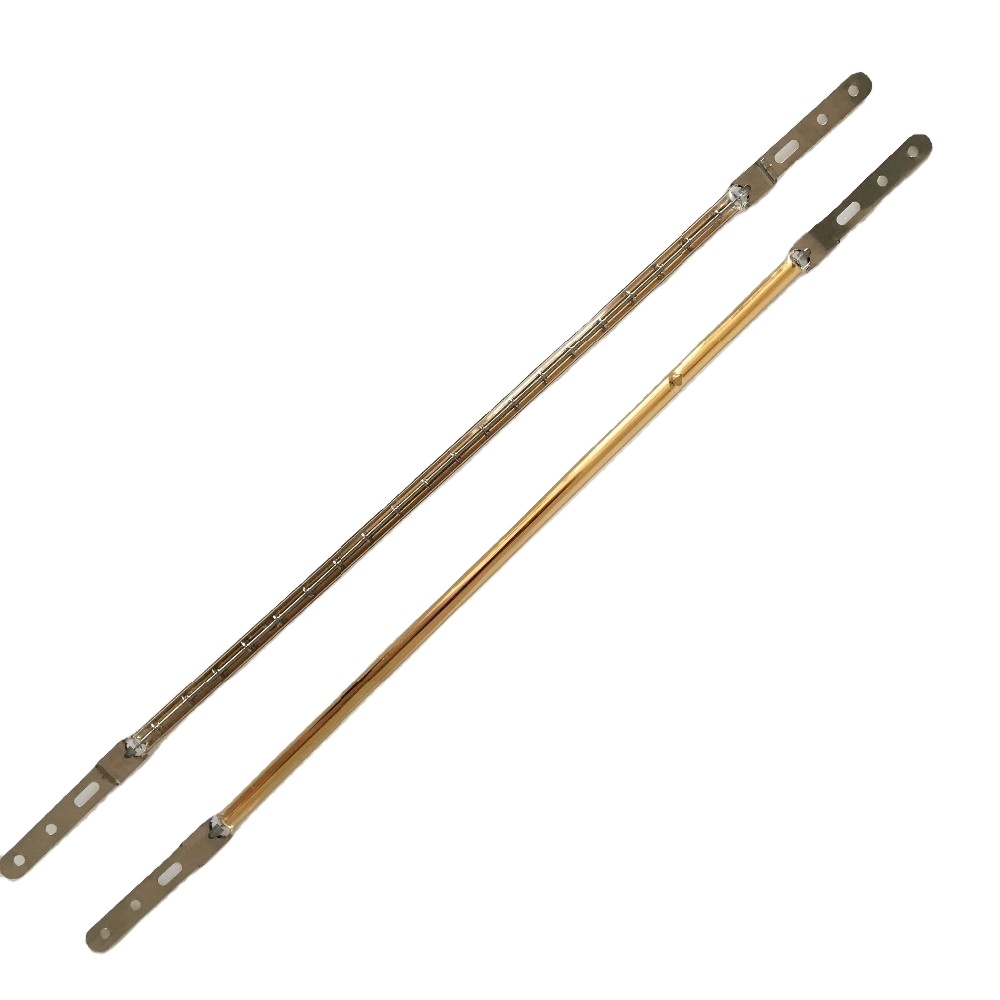
Half Gold • Flash Drying
Halogen Quartz Half Gold Infrared Heating Lamps for Flash Dryer Screen Printing
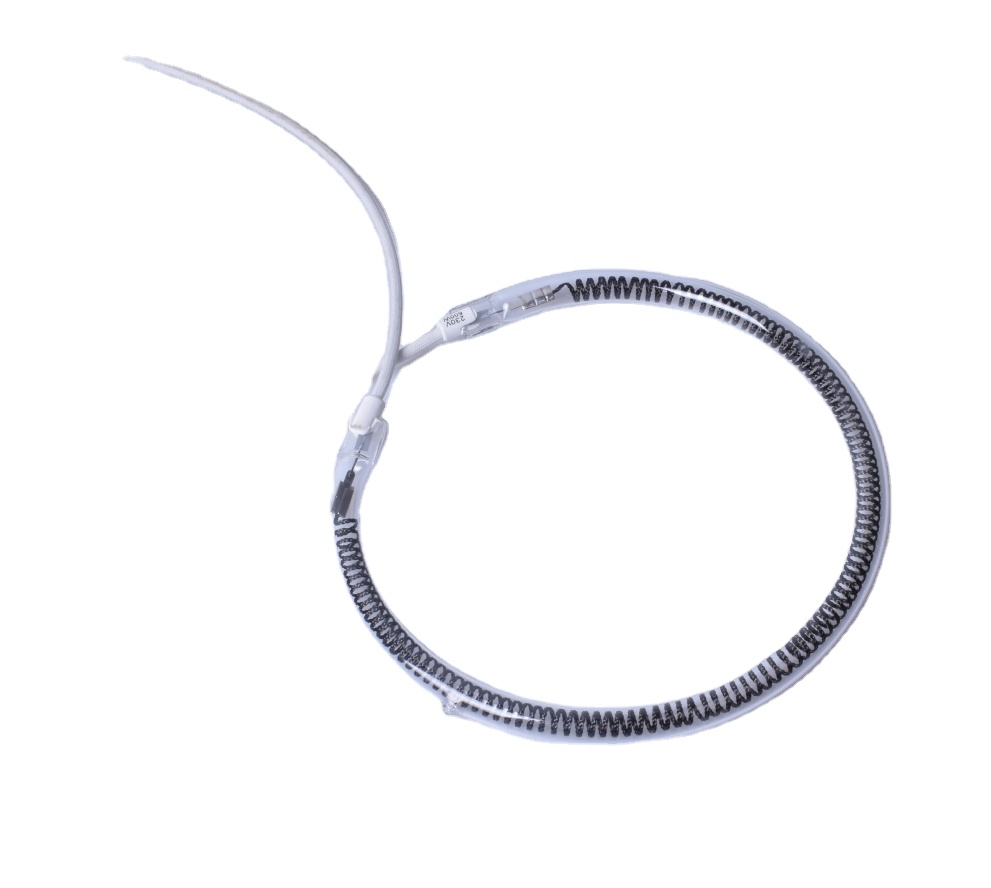
Carbon Medium-Wave • Ring
1000W Carbon Fiber Circular Infrared Heat Lamp for PET Blowing Preheating
Material Science & CE Compliance
The Metallurgical & Photonic Anatomy of Premium Fused Quartz
In high-intensity industrial processing, the mechanical reliability of an emitter is defined by the quality of its electric fused silica substrate. Manufactured from quartz sand extracted in Donghai, Lianyungang, our raw vitreous silica achieves an SiO2 chemical purity exceeding 99.99%. This near-zero level of hydroxyl (OH−) and metallic impurities prevents premature devitrification under intense cyclic loading.
CE compliance requires rigorous adherence to low-voltage equipment safety, high-temperature dielectric breakdown limits (>30 kV/mm), and environmental thermal stability. Standard borosilicate tubes soften under high-load thermal stress; our fused quartz maintains dimensional fidelity up to 1,100 °C continuously, withstanding thermal shocks from red-hot states directly into icy water without micro-fracturing.
- Low Linear Expansion (5.5 × 10^-7 / K)
- 180nm UV to 4.5μm IR Optical Transmission
- CE Standard Dielectric Isolation
Physical & Thermal Properties Benchmark
Softening Point: 1,680 °C
Annealing Point: 1,210 °C
Tensile Strength: 4.8 × 10^7 Pa
Compressive Strength: > 1.1 × 10^9 Pa
Refractive Index (nD): 1.4585
Strategic Market Intelligence
Future Procurement Trends in Quartz Tube & IR Systems
Shifts in industrial processing, energy volatility, and decarbonization mandates are changing procurement practices across North American, European, and Asian manufacturing plants.
Wavelength Precision Targeting
Procurement managers are shifting from broad convection heating ovens toward material-matched radiant wavelengths. By pairing the infrared absorption spectrum of targeted polymers or water molecules (approx. 2.0 μm) with medium-wave carbon fiber emitters, plants reduce wasted energy and cut production cycle times by up to 42%.
Single-Second Response & Smart Modulation
Modern high-speed screen printing, PET stretch blow molding, and automated manufacturing lines cannot afford warm-up and cool-down delays. Halogen emitters capable of sub-second switching enable smart sensor-driven cycle gating, which reduces plant power consumption during conveyor pauses and micro-stops.
Reflective Coating Metallurgy
Back-scatter radiation waste is driving demand for precision gold and white ceramic reflectors applied directly to the quartz tube surface. Direct-applied 24-karat gold layers deliver up to 95% directional forward beam reflection, protecting adjacent machine frameworks from overheating without the need for external secondary mirrors.
Engineering Data Architecture
Comparative Selection Matrix for IR Heating Tubes
Select the right tube profile, filament material, and optical coating to match your processing parameters.
| Technology Segment | Filament / Core | Peak Spectrum (μm) | Thermal Response | Primary Application Matrix |
|---|---|---|---|---|
| Short-Wave Halogen | Tungsten Wire in Noble Gas | 1.0 – 1.4 μm | ≤ 1.0 Second | PET blow molding, automotive paint drying, high-speed sheet converting. |
| Fast Medium-Wave | High-Ohmic Resistance Wire | 1.4 – 2.0 μm | 1.0 – 2.5 Seconds | Plastic thermoforming, surface coating flash-off, laminate curing. |
| Carbon Fiber Medium-Wave | Woven Carbon Micro-Ribbon | 2.0 – 2.6 μm | 1.0 – 2.0 Seconds | Water-based ink drying, paper processing, textile drying, powder coating. |
| Twin-Tube Heavy Emitter | Tungsten / Carbon Dual Channel | 1.1 – 2.8 μm | Sub-second to 2s | Wide-format web processing, continuous metallurgy ovens, industrial glass bending. |
Technology Roadmap
Industrial Evolution & Design Innovations
How next-generation quartz synthesis and automated vacuum sealing improve field service life and reduce operational maintenance.
Twin-Tube Mechanical Integrity
As processing spans exceed 2,000mm to 3,000mm, single quartz tubes can sag under high operating temperatures. The evolution of fused H-profile and twin-tube quartz geometries creates structural rigidity, prevents filament droop, and enables higher power densities per linear meter without sagging.
Advanced Molybdenum Pinch Sealing
A frequent failure point in generic quartz lamps is oxidative stress cracking at the electrical lead pinch seal. Modern high-vacuum multi-foil molybdenum transitions accommodate the differing thermal expansion coefficients between quartz glass and metal conductor pins, extending continuous service life past 5,000 to 8,000 working hours.
Low-Hydroxyl (<5ppm OH) Vacuum Smelting
Trace hydroxyl radicals in fused silica absorb infrared radiation around the 2.72 μm band, trapping heat inside the quartz envelope and raising tube wall temperatures. Modern electric fusion in continuous vacuum reducing furnaces keeps OH− content below 5 to 10 ppm, which preserves transparency and protects quartz longevity under heavy workloads.
Manufacturer Direct Advantage
Kavri Quartz: Vertically Integrated Engineering from Lianyungang
Operating from Lianyungang, Jiangsu — the central quartz supply hub in China — Kavri Quartz Product Co., Ltd. combines raw material selection, hot-flame glass synthesis, precision computerized filament winding, and high-vacuum degassing in an integrated 3-line production facility.
Direct Resource Closeness
Our plant is located near the Donghai silica reserves, ensuring stable access to clear, ruby, and opaque fused silica stock without intermediate supplier markups.
Full In-House Customization
We build customized solutions based on voltage (12V–480V), wattage up to 10kW+, heated lengths from 50mm to 3,500mm, ceramic end caps, R7S terminals, metal clips, and flying leads.
Safe Export Logistics
Exporting over 80% to 90% of our products globally to Europe, the Americas, and Asia, every fragile quartz consignment uses multi-layer shock isolation and vacuum drop-tested wooden casing.
Frequently Answered Questions
Purchasing & Engineering FAQ
Clear technical answers to help purchasing teams, electrical engineers, and factory managers evaluate and specify quartz heating elements.
What quality and safety testing guarantees CE certification on your quartz heating tubes?
Our CE compliance follows EU Low Voltage Directive (LVD) 2014/35/EU and RoHS standards. Every manufactured production lot goes through dielectric insulation testing (>1,500V breakdown limit), ground continuity resistance checks, cold-resistance verification using precision micro-ohm bridges, rated wattage burn-in tolerances (±5%), and gas seal leak testing. Test records and conformity declarations accompany commercial shipments.
How do I determine whether my application needs short-wave halogen or carbon fiber medium-wave?
Match the emitter's output wavelength to the infrared absorption spectrum of your target material:
- Short-wave halogen (1.0–1.4 μm): Best for deep thermal penetration into dense targets, such as heating thick PET preforms prior to bottle blowing, rapid paint curing down to the metal substrate, and processes requiring instant on/off switching.
- Carbon fiber medium-wave (2.0–2.6 μm): Matches the molecular resonance of water molecules, organic solvents, PVC, textiles, paper pulp, and screen printing inks, delivering surface drying without overheating or blistering the substrate.
What technical parameters are needed to duplicate an OEM replacement lamp without an original drawing?
If you do not have an engineering drawing, provide: (1) Total overall length (OAL) from tip to tip; (2) Effective heated length; (3) Tube outer diameter (OD) and profile (round single tube or twin-tube dimension); (4) Rated voltage and total wattage; (5) Clear photo showing end caps (R7S, ceramic block, metal clip, or insulated wire lead); (6) Any internal or applied reflectors (full gold, half gold, or white ceramic). Our engineering team can typically reverse-engineer and confirm the specification within 4 hours.
What are the minimum order quantities (MOQs) and standard delivery lead times for custom production?
For standard catalog configurations and common replacement tubes, our minimum order quantity starts from 8 to 10 pieces, helping avoid high initial sample hurdles for plant maintenance and machine retrofits. Prototyping custom configurations generally takes 5 to 7 working days, while bulk batch orders of 100 to 2,000 pieces ship in 12 to 18 working days via international air or sea freight under FOB, CIF, CFR, EXW, or DDP terms.
How do you protect long quartz tubes from shattering during multi-leg ocean or air freight?
Quartz tubes are vulnerable to impact shock during international transit. Our packaging uses a multi-tier protective structure: each individual emitter is encased in a rigid, custom-molded cylindrical paper sleeve with cushioned ends, suspended within high-density expanded polyethylene (EPE) foam dampening chambers, and packed in heavy-duty cross-ply cartons inside ISPM-15 compliant export wooden crates. This process maintains a field damage rate under 0.1% across worldwide shipments.
Ready to Engineer or Optimize Your Quartz Thermal System?
Whether you require standard OEM replacements, custom voltage-wattage ratings, or bulk factory procurement, our application engineers provide full dimensional drawings and formal quotes within 4 hours.