R7S Terminal
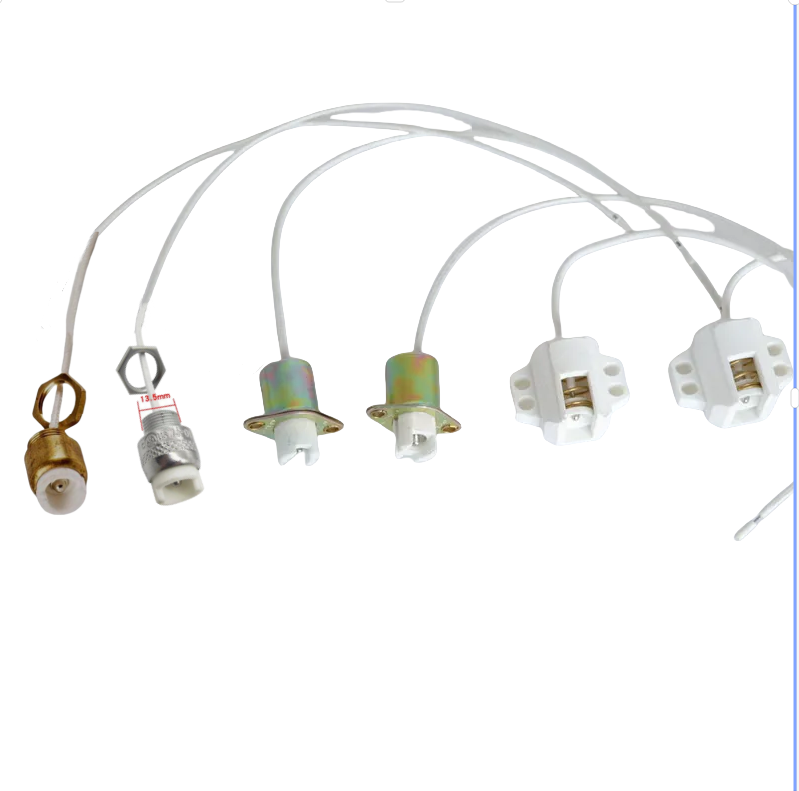
Halogen Infrared Heating Lamp R7S Ceramic Lamp Holder
- Steatite ceramic cap with high insulation
- Tungsten coil in pure fused quartz envelope
- Rapid response time: 1.0 - 1.2 μm short-wave
Every quartz tube, heating envelope, and optical fixture is crafted from synthetic or electric-arc fused silica to ensure extreme thermal shock resistance, tight dimensional tolerances (±0.05 mm), and full CE/RoHS conformity.
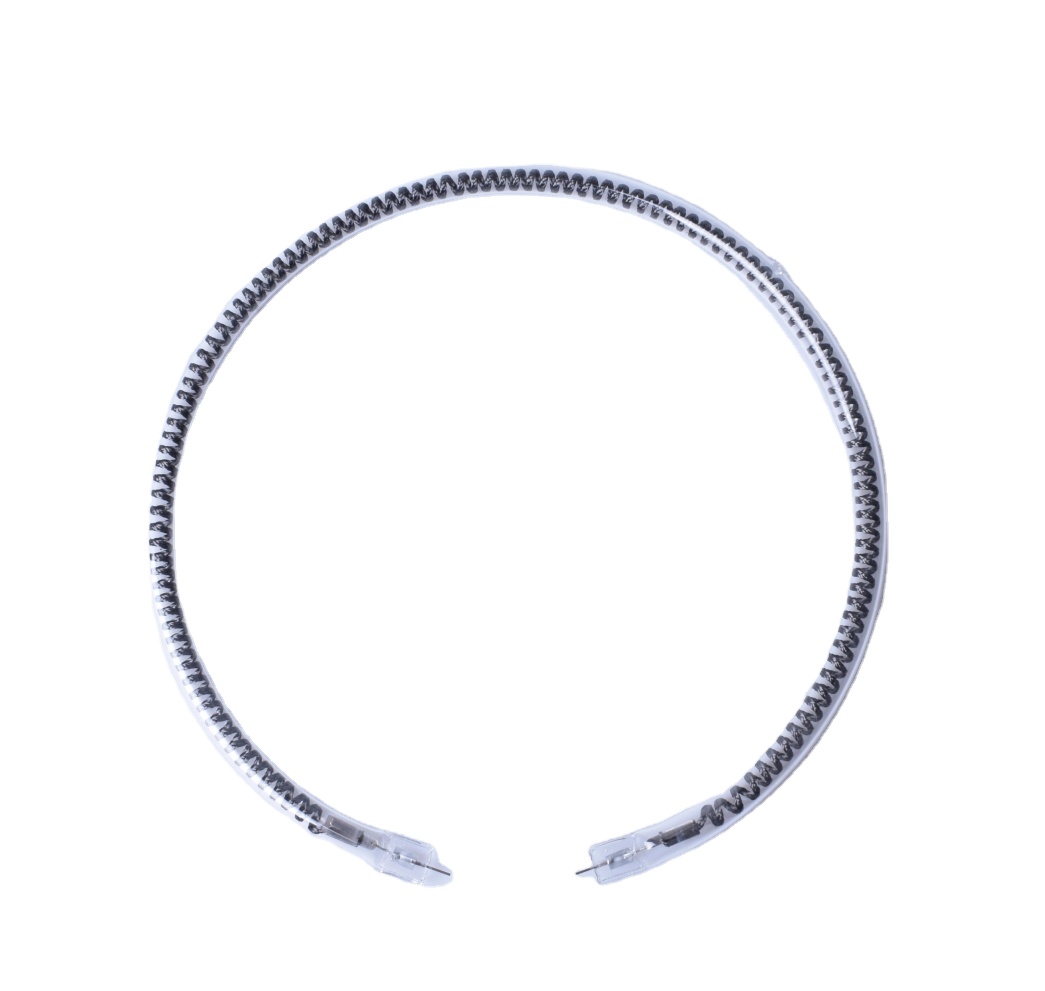
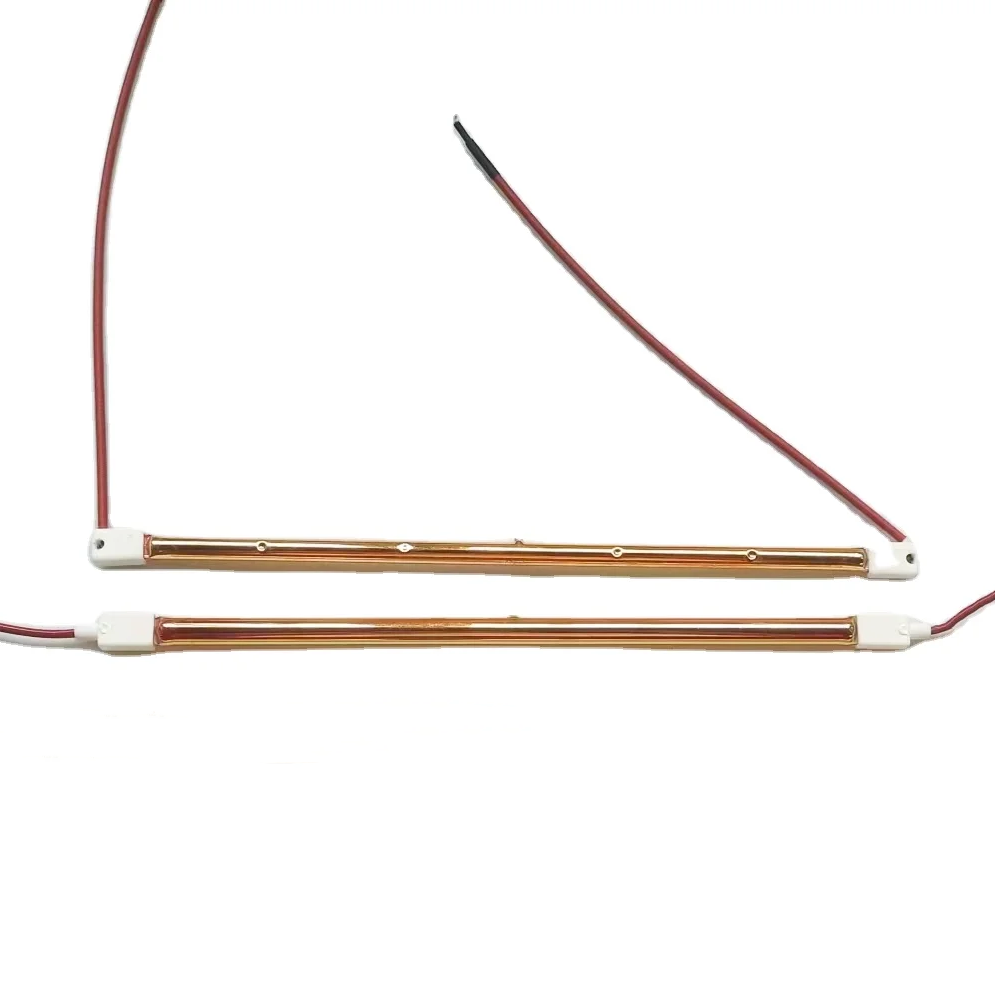
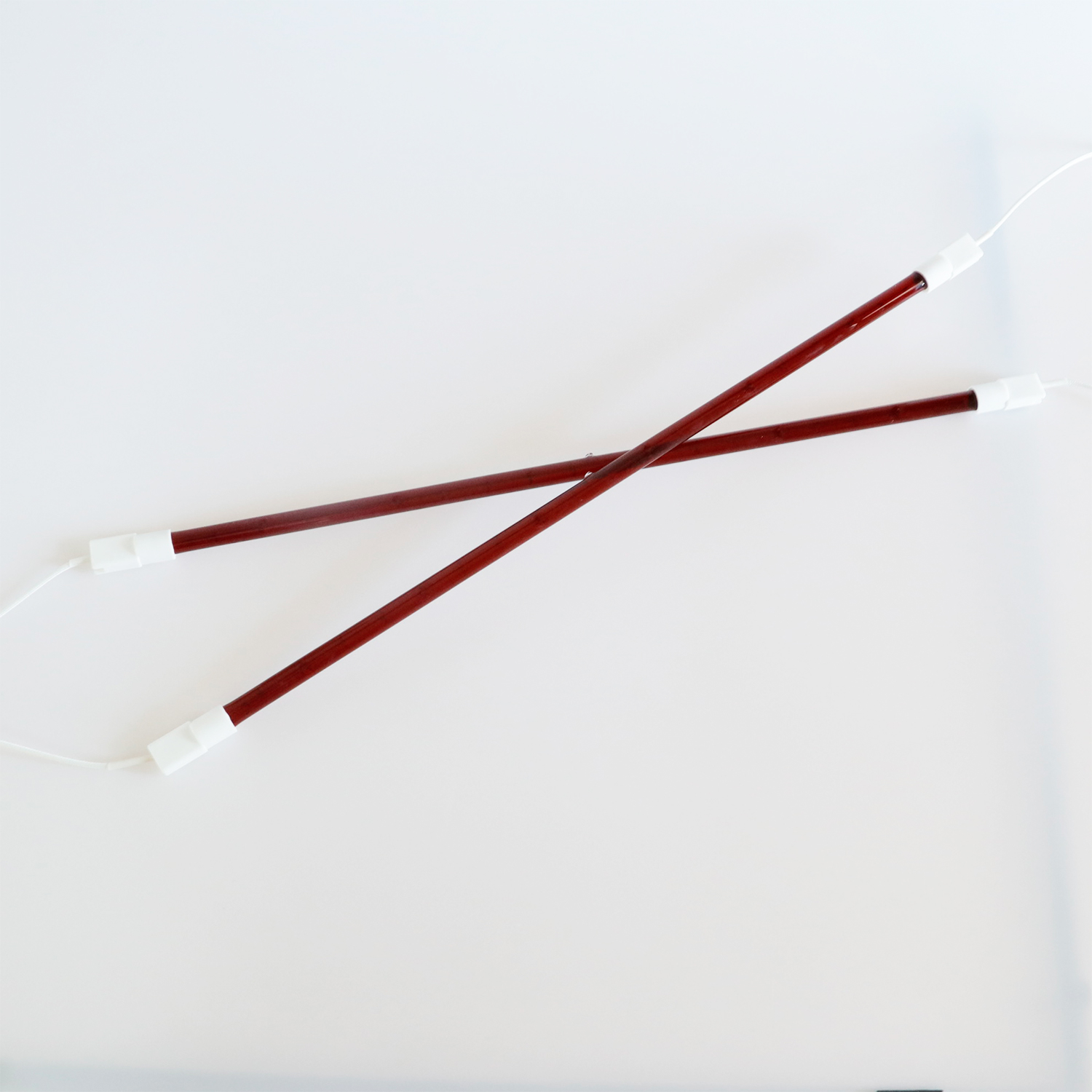
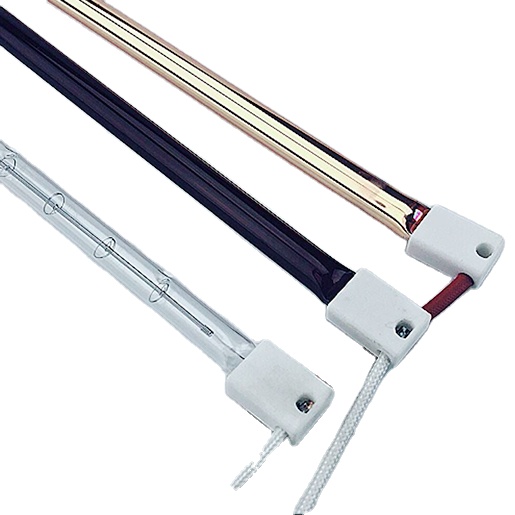
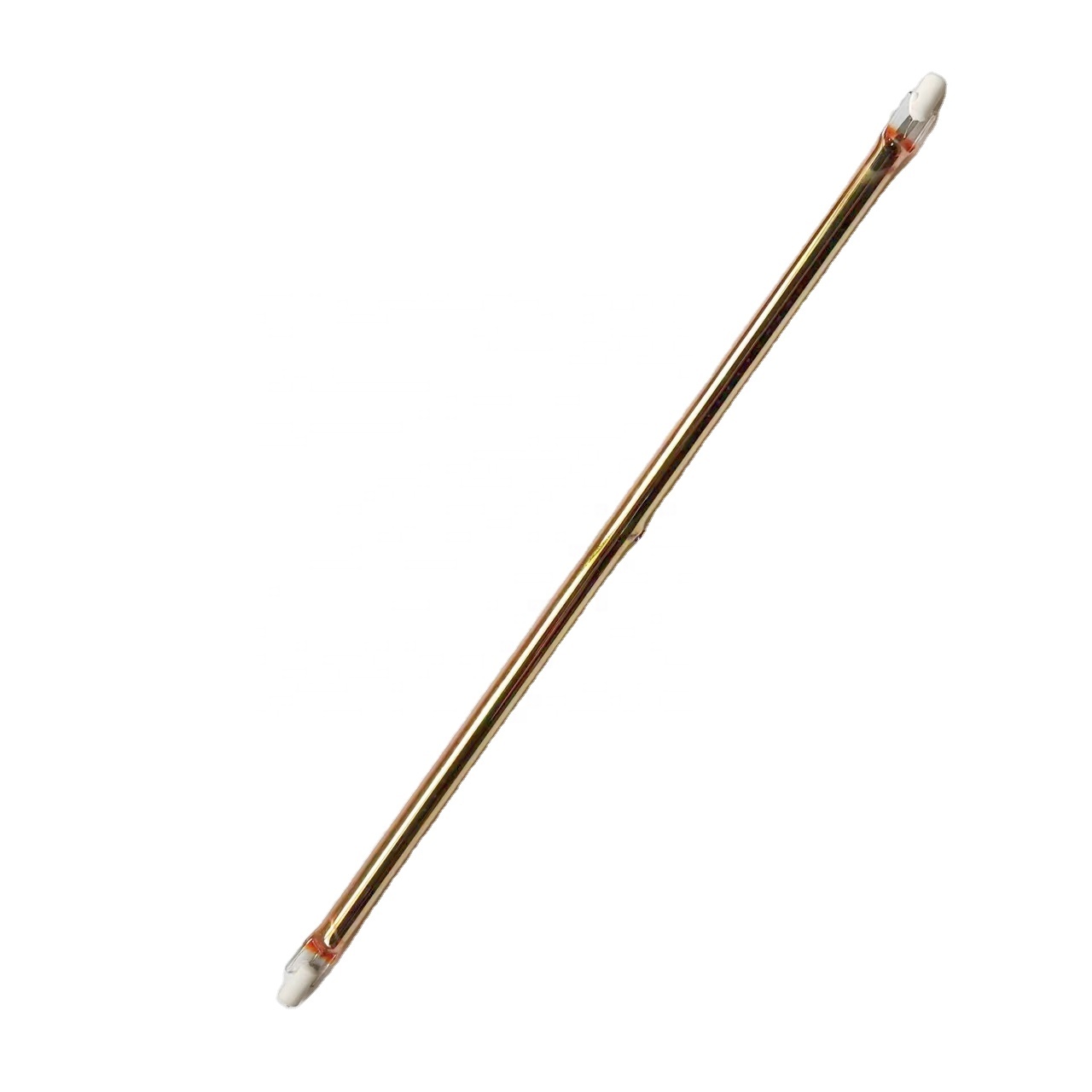
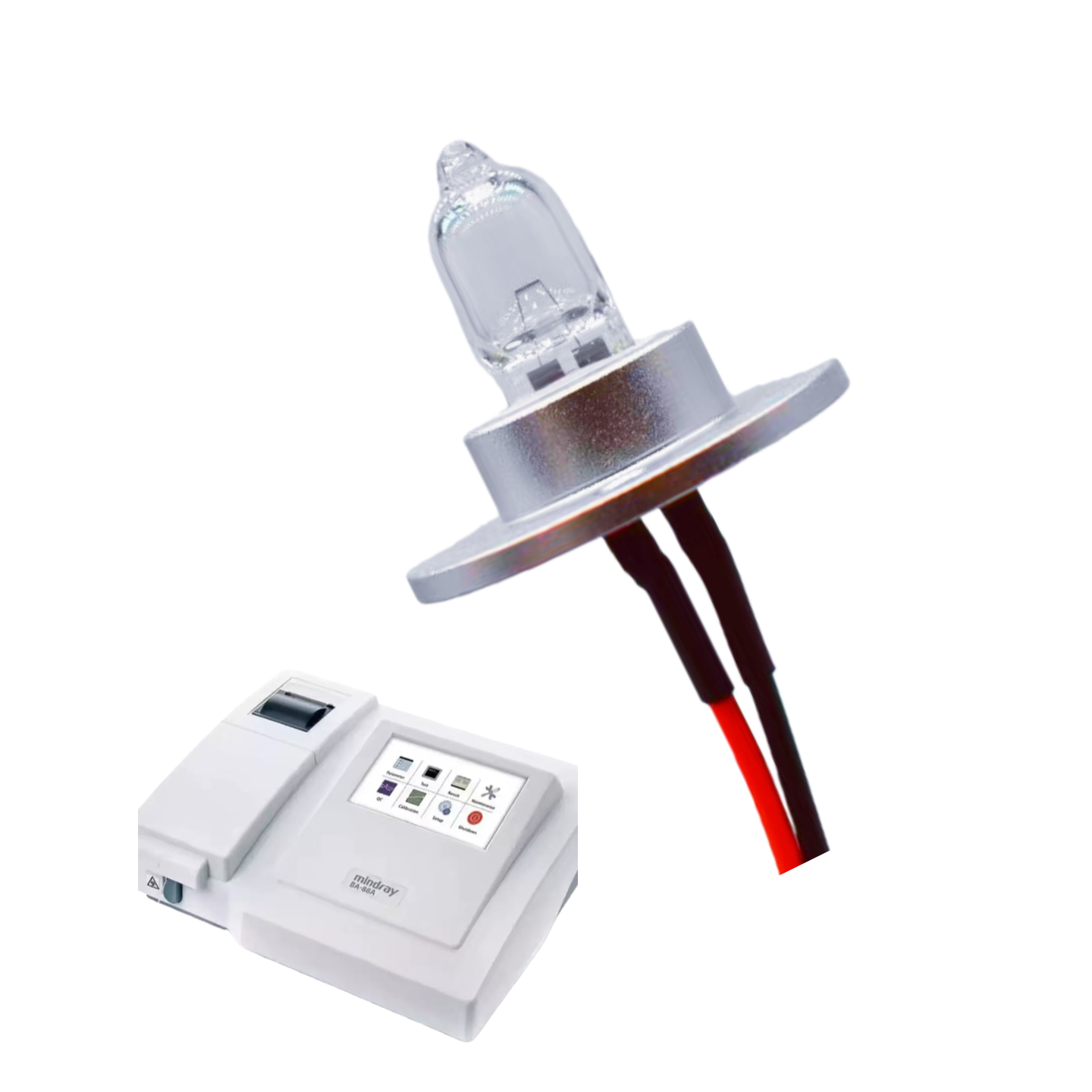
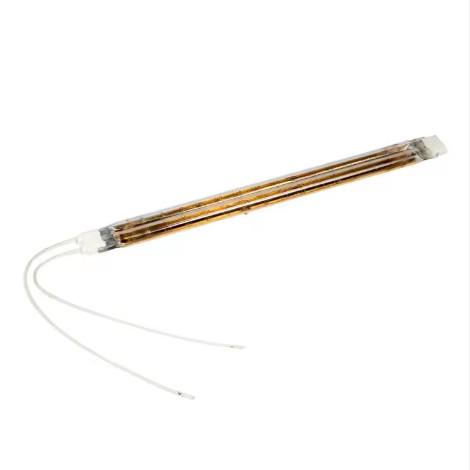
As international industrial automation and precision manufacturing advance, fused quartz glass piping (fused silica) has transitioned from a specialized laboratory curiosity into an indispensable structural component for semiconductor processing, chemical vapor deposition (CVD), photovoltaic cell diffusion, and high-intensity infrared heating arrays. Sourcing quartz pipes from an accredited Chinese OEM factory requires an intimate understanding of material purity grades, mechanical tolerances, optical transmission parameters, and European CE compliance Directives.
Quartz glass is a single-component glass consisting of amorphous silicon dioxide (SiO2). The performance of industrial quartz pipes is fundamentally governed by the absence of metallic impurities (Fe, Al, Ti, Na, K, Li, Ca, Mg) and the control of residual hydroxyl ions (OH−). High-end process pipes manufactured at Kavri Quartz utilize crystalline quartz rock mined and processed in Donghai, Jiangsu Province — China's premier silica hub — yielding purity ratings between 99.99% (4N) and 99.999% (5N).
The structural advantage of fused quartz lies in its microscopic tetrahedral network. Because Si-O bonds are exceptionally strong, quartz glass possesses an exceptionally low thermal expansion coefficient of approximately 5.5 × 10⁻⁷ / °C across the 20°C to 320°C range. Consequently, a red-hot quartz pipe heated to 1,100°C can be submerged immediately into cold water without cracking or experiencing structural spalling. This unparalleled thermal shock resistance makes it the only viable material for high-wattage halogen emitters and thermal furnace liners.
| Physical / Chemical Property | Standard Electric-Arc Fused Quartz | High-Purity Dehydroxylated Fused Silica | Synthetic Chemical Vapor Silica |
|---|---|---|---|
| SiO2 Content (Purity) | ≥ 99.99% (4N) | ≥ 99.995% (4.5N) | ≥ 99.999% (5N) |
| Hydroxyl (OH−) Concentration | 150 – 200 ppm | ≤ 5 – 20 ppm (Vacuum Annealed) | ≤ 1 ppm (Dry Synthetic) |
| Transformation Temperature (Tg) | 1,075 °C | 1,120 °C | 1,180 °C |
| Annealing Point | 1,180 °C | 1,215 °C | 1,250 °C |
| Softening Point | 1,680 °C | 1,710 °C | 1,730 °C |
| Spectral Transmission Window | 260 nm – 3,500 nm | 240 nm – 3,700 nm | 180 nm – 4,000 nm (Deep UV/IR) |
| Dielectric Strength (at 20°C) | 25 – 40 kV/mm | 35 – 45 kV/mm | > 50 kV/mm |
When selecting quartz glass pipes intended for infrared heater shells or semiconductor vacuum tubes, residual hydroxyl (OH−) groups act as vibrational damping centers that create strong absorption bands at 2.72 μm. This unwanted absorption degrades heating efficiency, induces localized pipe wall heating, and can trigger devitrification (cristobalite phase transformation) at elevated temperatures. Our factory employs closed vacuum electrical baking furnaces to strip OH content down below ≤ 5 ppm, ensuring that short-wave and medium-wave IR energy passes straight through the pipe into the targeted substrate rather than dissipating within the glass wall.
Affixing the CE mark on export-grade quartz products is not merely a formality; it validates adherence to rigorous European industrial directives. For integrated infrared quartz heaters, compliance with the Low Voltage Directive (LVD) 2014/35/EU guarantees electrical clearance distances, dielectric breakdown resistance across high-temperature ceramic insulators, and safe termination under continuous operating currents. Furthermore, our raw materials strictly adhere to the RoHS Directive 2011/65/EU and REACH Regulation (EC 1907/2006), verifying that gold reflection coatings, internal tungsten filaments, ceramic headers, and sealing cements contain zero hazardous levels of lead, mercury, cadmium, or hexavalent chromium.
Industrial procurement teams are navigating rapid technological transformations across solar energy, automotive electrification, and microelectronics. Here are the core supply chain dynamics shaping procurement strategies through 2030.
The photovoltaic industry's transition to TOPCon and tandem perovskite cells requires large-diameter quartz diffusion furnace tubes (OD > 300 mm) capable of maintaining dimensional straightness under high-temperature POCl3 and BBr3 corrosive atmospheres without sagging.
Global manufacturing is actively retiring gas-fired convection drying tunnels in favor of clean electric infrared sintering. Quartz halogen twin-tube emitters allow instant start-stop power modulation, slashing plant carbon footprints and reducing thermal cycle times by over 40%.
International buyers are moving away from fragmented trading intermediaries in favor of vertically integrated manufacturers situated directly inside source clusters like Lianyungang, locking in consistent ingot quality, lower freight tariffs, and verifiable batch test certificates.
Modern quartz processing has evolved far beyond traditional manual torch blowing. To satisfy the micron-level tolerances demanded by automated production lines, Kavri Quartz has integrated several cutting-edge processing methodologies:
For custom quartz rings, sight glasses, and flanged pipe connections, our production facility utilizes multi-axis CNC machining centers equipped with water-cooled electroplated diamond tooling. Diamond wire slicing achieves surface kerf loss under 0.15 mm, allowing high-precision wafer processing boat fabrication and optical-quality beveling without creating subsurface micro-cracks that induce brittle failure under thermal shock.
Traditional mechanical sawing often leaves serrated edge chips on thin-walled quartz tubes. We have pioneered CO2 laser cutting lines for cutting quartz heating envelopes and capillary tubes. The thermal laser beam cleanly splits the tube while simultaneously melting and fire-polishing the rim, eliminating residual stress concentrations and guaranteeing bubble-free end finishes suitable for vacuum o-ring compression fittings.
Conventional infrared heating systems relied upon detached gold-plated brass reflectors that tarnished and collected dust inside industrial spray booths. Our cleanroom coating line executes vacuum magnetron sputtering to deposit pure 24-karat gold or high-emissivity ceramic white layers directly onto the rear 180° curve of the quartz tube. This direct fusion delivers superior thermal reflection (>95%), shields internal machine wiring from back-radiation, and withstands continuous pipe temperatures up to 800°C without peeling or oxidation.
Headquartered in Lianyungang, Jiangsu Province — adjacent to Donghai's world-famous silica cluster — we provide the ideal combination of direct raw material access, advanced in-house fabrication, and transparent international export services.
Over a decade of dedicated OEM/ODM production experience for European, North American, and Asian industrial automation equipment manufacturers.
Physical plant and legal trade credentials thoroughly audited onsite by independent verification bodies and Alibaba.com (13 Years Golden Supplier).
Our multilingual engineering sales team replies to RFQs, dimensional drawings, and technical parameter inquiries in ≤ 4 hours on business days.
Comprehensive export terms (FOB, CFR, CIF, EXW, and DDP) with custom anti-vibration shock packaging guaranteed against transit breakages.
Clear, technically rigorous answers addressing common inquiries raised by engineering consultants, OEM procurement officers, and plant maintenance directors.
To deliver an exact engineering proposal and competitive quotation, we typically request the following data points:
If you possess an existing equipment sample, CAD drawing (.DWG, .DXF, .STEP), or clear photograph of the specification plate, our engineering team can reverse-engineer the component seamlessly.
While borosilicate 3.3 glass is a widely used material for standard chemical glassware, it is fundamentally inadequate for extreme thermal and optical environments. Borosilicate softens around 550°C – 600°C and has a thermal expansion coefficient of approximately 3.3 × 10⁻⁶ / °C. In contrast, fused quartz maintains structural integrity continuously up to 1,100°C (softening point >1,680°C) and exhibits an expansion coefficient six times lower (5.5 × 10⁻⁷ / °C).
Optically, borosilicate completely absorbs UV light below 310 nm and exhibits severe transmission cutoffs in the infrared spectrum. Fused quartz provides uniform optical transparency from 200 nm deep ultraviolet up into the 3,500 nm mid-infrared range, making it essential for UV curing, UV disinfection, and high-efficiency short-wave infrared emitters.
Having exported industrial glassware for over a decade, we have developed a certified multi-tier protective packing system. Individual quartz tubes or lamps are first encased inside high-density corrugated foam sleeves or protective air-bubble tubing. Multiple units are nested inside shock-absorbing partitioned inner cartons.
For oceanic container shipments or air cargo, these cartons are consolidated inside rigid fumigated plywood export crates reinforced with corner steel brackets, vibration dampers, and conspicuous fragile handling markers. Our damage rate across global shipments remains below 0.2%, and all CIF/DDP consignments are comprehensively insured from door to door.
For standard catalog dimensions and standard halogen replacement lamps, our MOQ is as flexible as 8 to 10 pieces, enabling convenient machine maintenance and trial testing. For highly specialized, custom-blown quartz lab apparatus or large-diameter furnace pipes, prototype trial batches can be produced upon engineering sign-off.
Standard prototype and sample production typically takes 3 to 7 working days. Batch production runs are generally completed and inspected within 12 to 20 working days, depending on volume and secondary cutting/coating requirements.
Every production batch passes through a rigorous four-stage quality assurance protocol before release:
Whether you require standard replacement halogen emitters, customized gold-reflector twin tubes, or high-purity quartz furnace pipes, our factory engineers are ready to review your CAD drawings and production specifications.