Precision Infrared Emitters & Industrial Quartz Solutions
Manufactured under strict ISO 9001 quality controls and CE low-voltage safety directives. Fully customizable wattages, lengths, coatings, and terminal configurations engineered directly at our Lianyungang manufacturing facility.
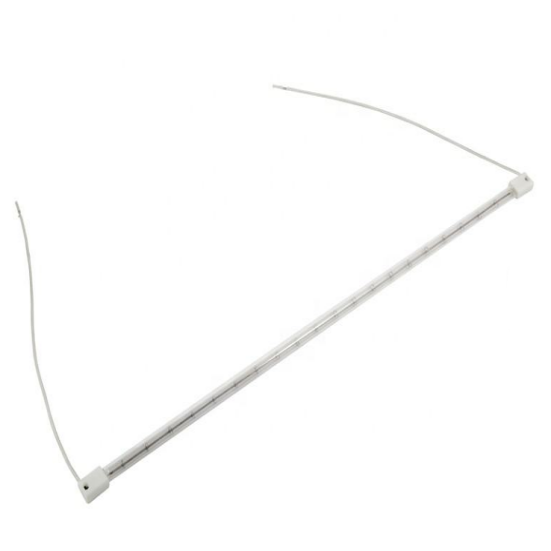
Low Price Infrared Heater Halogen Lamp Supports Customization for Textile Industry
- Textile Curing
- Tungsten Halogen
- Custom Lead Wires
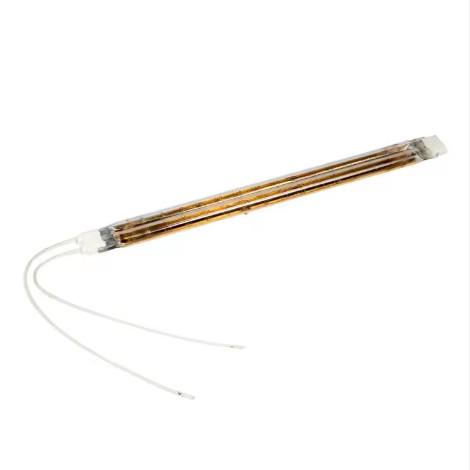
Halogen Double Tube Half Gold Infrared Heating Lamp for Blowing Machine
- Twin Tube 11x23mm
- Half-Gold Reflector
- PET Preforms
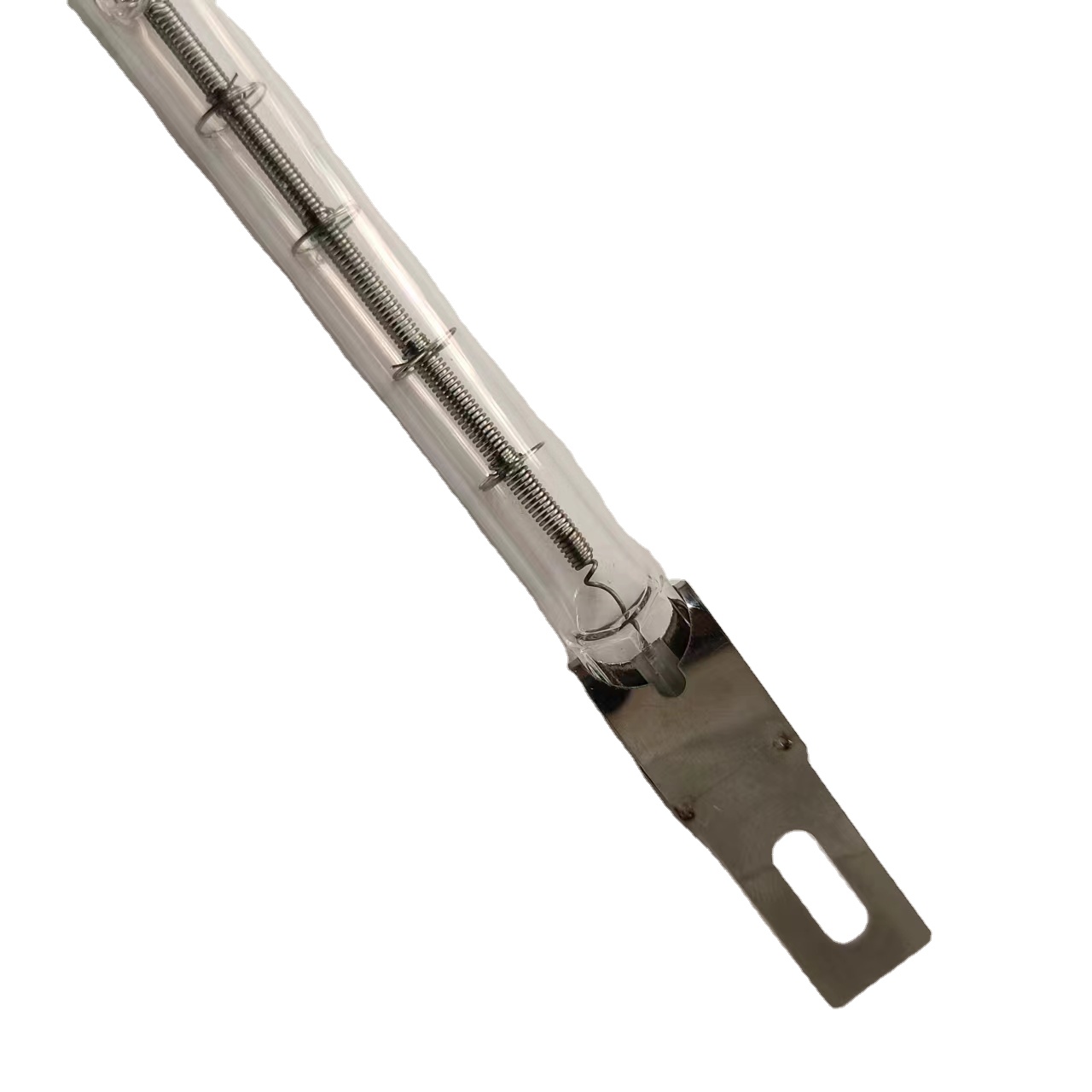
Cheap Wholesale 220V 1000W Quartz Infrared Heat Lamp for Processing Industrial
- 220V 1000W
- High Thermal Shock
- Drying & Annealing
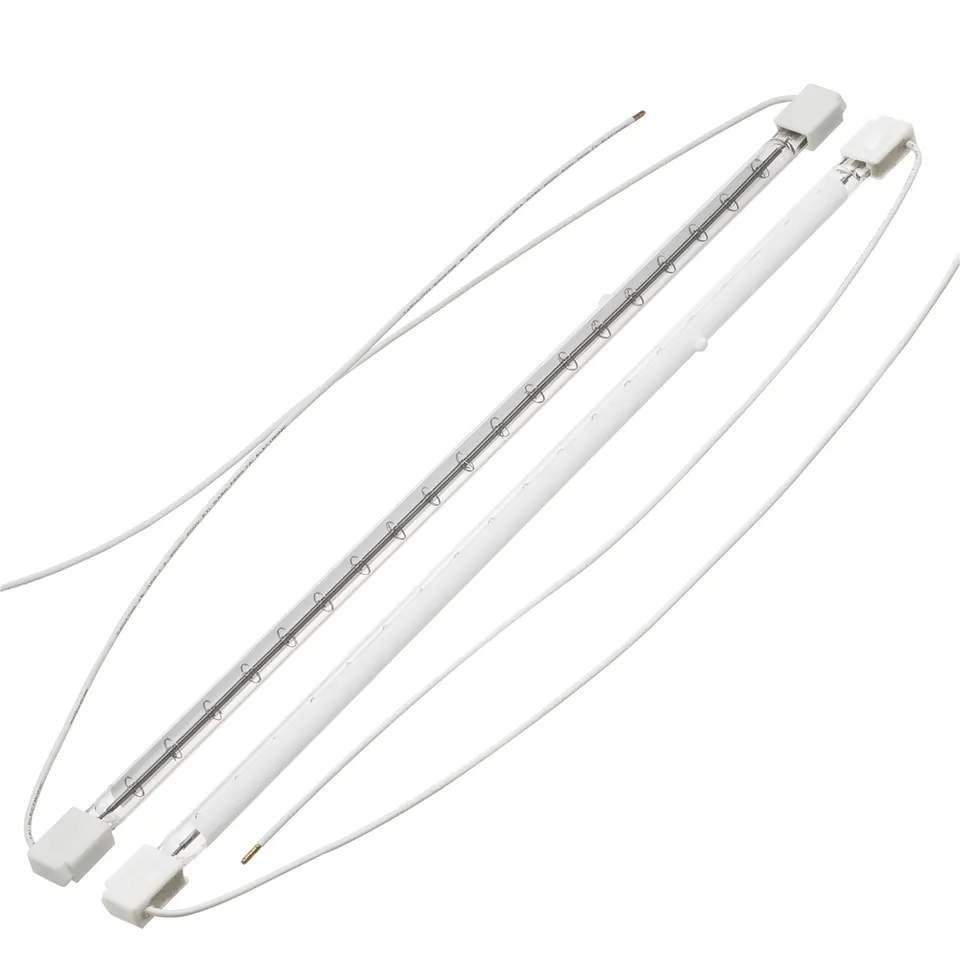
High Quality Shortwave Half White Infrared Heating Radiant Emitter for Outdoor Sport
- Shortwave Peak
- Ceramic Reflector
- Fast Response (<1s)
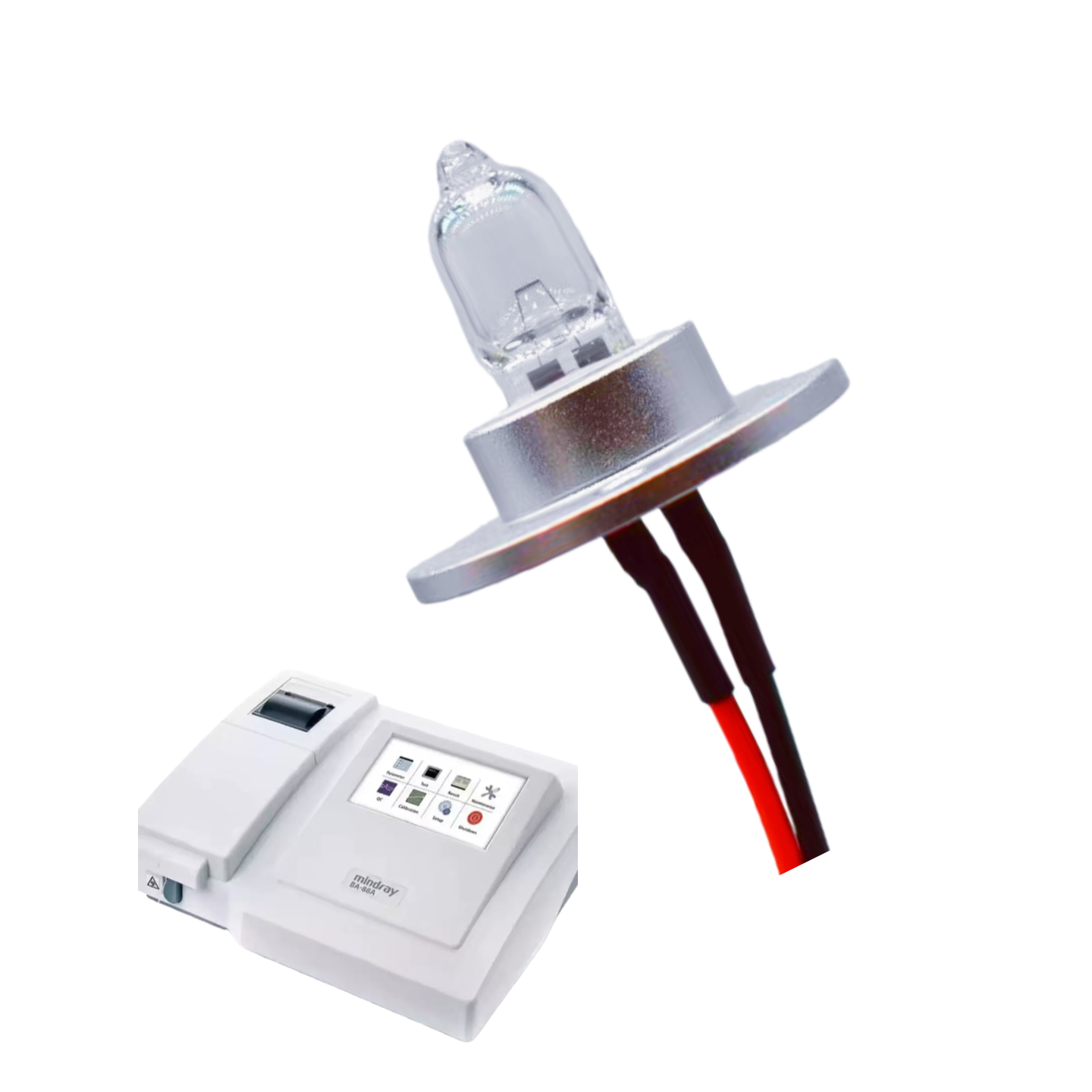
BA-88A Halogen Lamp Bead 6V 10W Mindray Semi-automatic Biochemical Analyzer Light Bulb
- 6V 10W Optical
- Biochemical Lab
- High Precision Pin
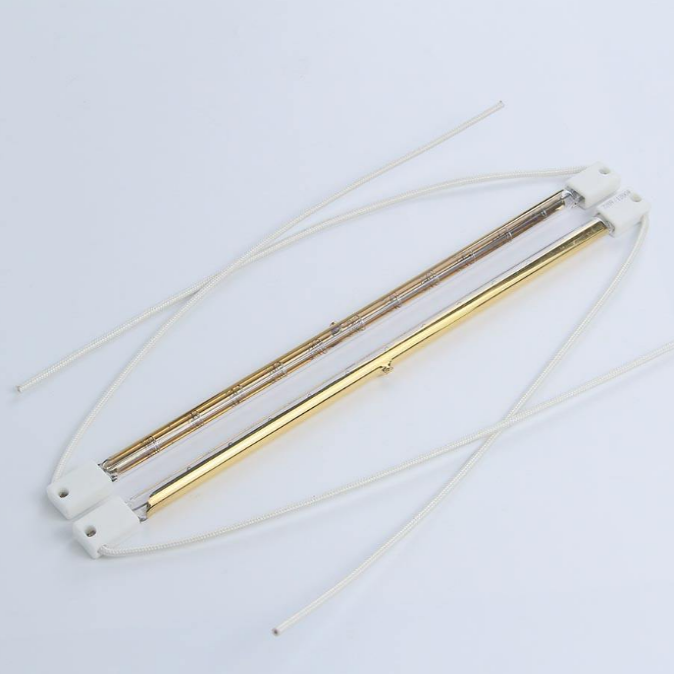
Halogen 220V 1000W Half Gold Coated Infrared Heat Lamp for Machine Equipment
- Directional Radiation
- Gold 95% Reflectance
- Industrial Ovens
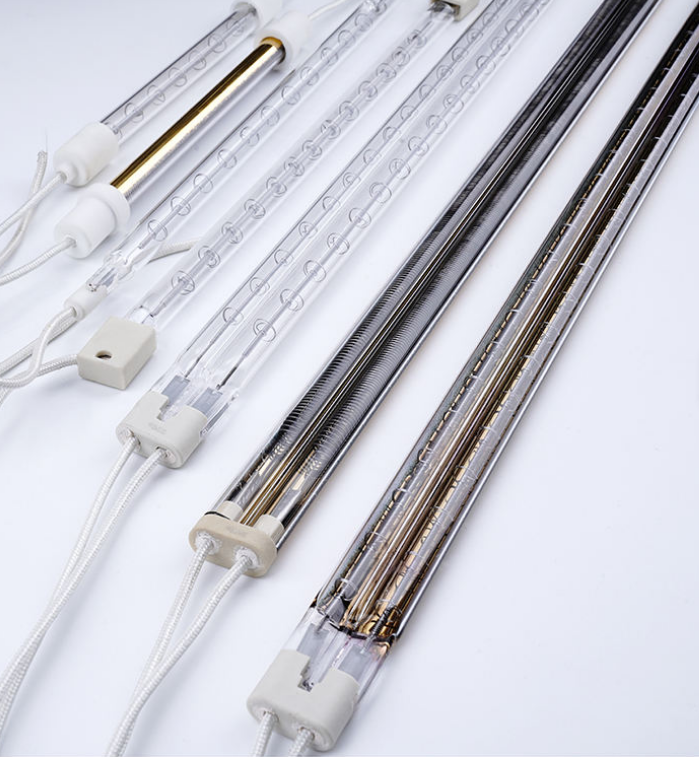
Factory Supply 220v Infrared Heater Lamp for PET Blowing Machines
- Linear Emitter
- 220V OEM Replacement
- Blow Molding Match
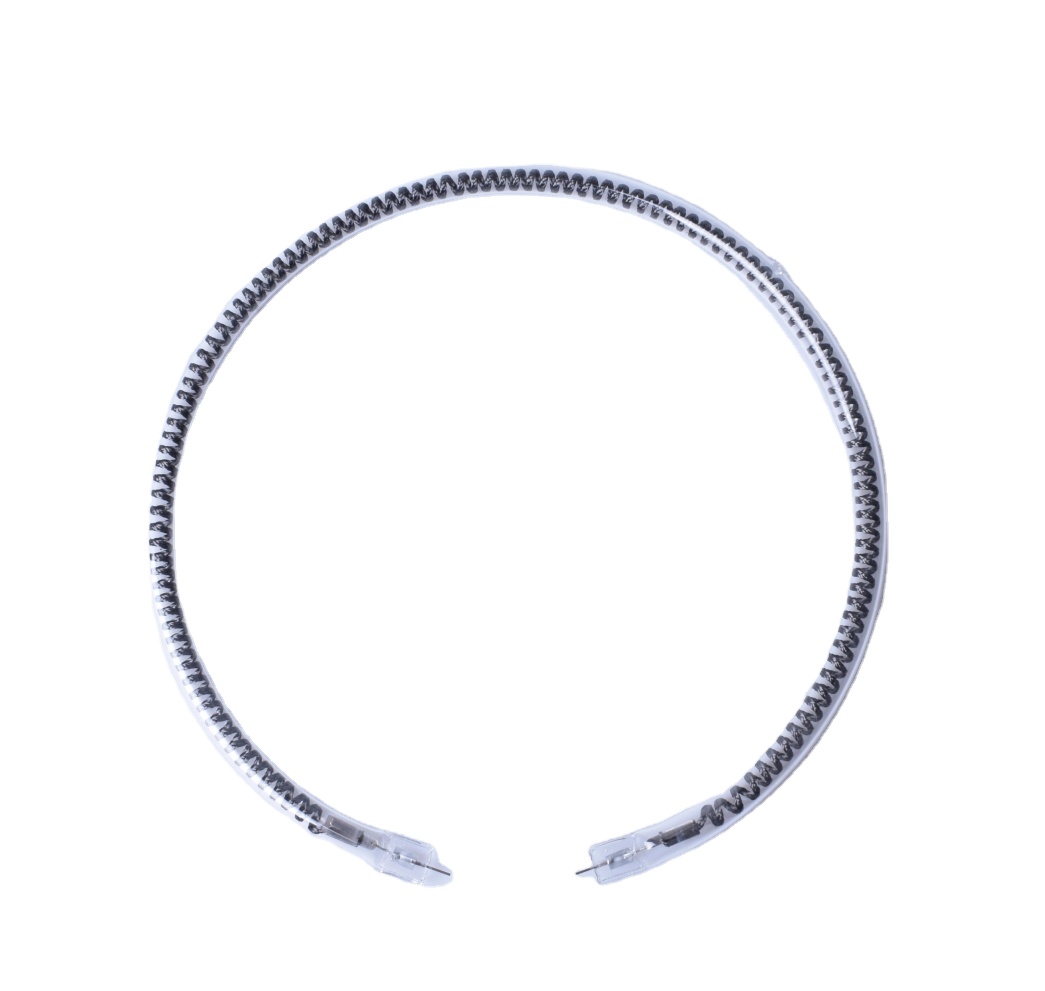
120V 1000W Medium Wave clear Infrared Heat Lamp for Photovoltaic Industry
- Medium Wave (~2.0µm)
- 120V 1000W
- Solar Cell Annealing
Milky Quartz Tube Engineering: Material Morphology & CE Compliance
A comprehensive examination of translucent micro-bubble fused silica, infrared thermal radiation efficiency, and the mandatory European compliance benchmarks for high-temperature export.
In high-temperature thermal processing, furnace construction, and infrared heating element design, milky quartz tubes (often classified chemically as opaque fused silica or translucent vitreous silica) serve an irreplaceable engineering role. Unlike transparent fused quartz glass, which allows uninhibited transmission across both ultraviolet and near-infrared spectra, milky quartz features a distinct, controlled micro-porous structure. Millions of microscopic gas entrapments (ranging from 5 to 50 micrometers in diameter) are deliberately suspended uniformly throughout the silica matrix during continuous thermal fusion. This morphology causes intense internal light scattering, effectively preventing direct line-of-sight visual glare while converting input electrical energy into uniform, wide-angle, medium-to-far infrared radiation with an emissivity factor exceeding 0.90.
As a CE certified manufacturer based in Lianyungang—the global nucleus of raw quartz refining and thermal quartz processing in Jiangsu, China—Kavri Quartz Product Co., Ltd. produces milky quartz glass tubing with silica purity ($\mathrm{SiO_2}$) consistently meeting or exceeding 99.98%. CE certification under the Low Voltage Directive (LVD 2014/35/EU) and RoHS Directive 2011/65/EU requires not only electrical standoff insulation and high dielectric breakdown resistance (in excess of 25 kV/mm at ambient temperatures) but also verified thermal stability. Our milky quartz envelopes endure prolonged continuous operating regimes of 1100°C, brief peak temperature excursions of up to 1450°C, and rapid thermal cycling without structural spallation, delamination, or premature devitrification into cristobalite.
| Physical & Thermal Property | Testing Protocol / Standard | Milky (Opaque) Quartz Specification | Clear Fused Quartz Comparison |
|---|---|---|---|
| Silica Purity ($\mathrm{SiO_2}$) | ICP-OES Optical Emission | ≥ 99.98% | ≥ 99.99% |
| Micro-Structure Density | Archimedes Immersion / Helium Pycnometry | 2.07 – 2.15 g/cm³ | 2.20 g/cm³ |
| Coefficient of Thermal Expansion (CTE) | Dilatometry (20°C – 1000°C) | 5.4 × 10¯&sup7; / K | 5.5 × 10¯&sup7; / K |
| Maximum Continuous Working Temp | Long-Term Creep Resistance | 1100 °C | 1150 °C |
| Peak Softening Point ($\mathrm{T_s}$) | Thermal Deformation Testing | 1680 °C | 1730 °C |
| Thermal Shock Resistance | Water Quench (1100°C to 20°C cold water) | No cracking or shattering | No cracking or shattering |
| Infrared Spectral Emissivity ($\epsilon$) | Fourier Transform Infrared (FTIR > 2.5µm) | 0.88 – 0.93 (Uniform Diffuse) | 0.65 – 0.75 (Directional) |
| Dielectric Strength (at 20°C) | ASTM D149 / IEC 60243 | 25 – 30 kV/mm | 25 – 40 kV/mm |
The manufacturing process at Kavri Quartz deploys continuous electric-furnace fusion using high-purity natural vein quartz sands. Through stringent control of fusion temperature, draw velocity, and gas injection parameters, our engineering team manages inner diameter (ID), outer diameter (OD), and wall thickness tolerances within tight margins of ±0.15 mm to ±0.4 mm depending on diameter classes (from Φ6 mm small-bore capillary tubes up to Φ300 mm industrial muffle furnace pipes). For export packaging, especially to demanding markets in Germany, the Netherlands, Japan, South Korea, and the United States, our tubes undergo surface chemical etching to purge transition-metal contaminations (such as Fe, Cu, and Ni below 1.5 ppm), followed by flame-polished end-finishing to eradicate micro-fissures that can propagate catastrophic fracture during transport or thermal shock loading.
Future Procurement Trends in Industrial Quartz & Emitter Systems
How decarbonization mandates, semiconductor scaling, photovoltaic cell shifts (TOPCon/HJT), and electrified thermal manufacturing are reshaping global quartz sourcing through 2030.
Decarbonization & Electric Heat Conversion
Global manufacturing facilities are rapidly decommissioning gas-fired heating tunnels in favor of clean electric infrared radiation arrays. Milky quartz tubes, with their superior thermal diffusion and diffuse medium-wave emission, reduce energy loss by 28% to 35% compared to convection heating. Procurement teams now evaluate tubes strictly on power-density-per-centimeter and kilowatt-hour carbon offsets over a 5,000-hour operational cycle.
TOPCon / HJT Photovoltaic Cell Evolution
Next-generation solar cell architectures demand ultra-clean thermal processing during silver metallization paste sintering and boron diffusion. Standard furnace liners cause cross-wafer trace metal migration. Sourcing directives are universally mandating low-hydroxyl ([OH-] < 20 ppm) and ultra-pure milky quartz sleeves capable of withstanding 24/7 continuous thermal gradients without sagging or surface flaking.
Total Replacement Cycle Modularization
Industrial machine builders (OEMs) in packaging, blow molding, and thermoforming are shifting away from standalone bare emitters. Modern procurement demands complete, plug-and-play assemblies: twin-tube or single-tube milky quartz housings equipped with pre-crimped silicon or ceramic insulated leads, matched terminal connectors, and calibrated gold or ceramic directional reflectors.
Next-Generation Technology Roadmap (2025–2030)
Gradient-Porosity Optical Engineering
Emerging R&D combines automated multi-layer drawing where the inner wall retains pure vitreous clarity for optical filament transmission while the outer shell features a micro-bubble cellular matrix. This dual-structure minimizes core re-absorption losses while maintaining complete external glare suppression, raising infrared transfer efficiency above 94%.
Anti-Devitrification Nanocoatings
Thermal cycling above 1000°C gradually induces nucleation of cristobalite crystalline phases, leading to micro-cracking upon cooling. Next-gen quartz synthesis integrates sol-gel aluminosilicate nanocoatings on milky quartz surfaces, successfully extending the operating ceiling up to 1250°C and doubling operational lifetimes in alkali-vapor environments.
Digital Geometric Inspection & Closed-Loop Drawing
Traditional manual calipers are being phased out in modern Chinese quartz clusters. kavri Quartz integrates in-line dual-axis laser scanning micrometer arrays that continuously map tube roundness, concentricity, and wall uniformity at 500 scans/sec during high-temperature drawing, achieving dimensional variances within ±0.08 mm on high-demand export batches.
Why International Industrial Buyers Partner with Kavri Quartz
Combining direct access to the world's most concentrated quartz mineral basin with tenured OEM/ODM engineering capabilities and rigorous European export compliance.
Strategic Lianyungang Hub
Located in Niushan, Lianyungang, adjacent to Donghai County—the definitive heart of China's quartz refining infrastructure. We secure direct factory access to premium-grade natural quartz sands with zero domestic middleman markups and immediate supply chain resilience.
Full OEM/ODM Versatility
Over a decade of custom engineering. We produce single-tube, twin-tube (11x23mm, 15x33mm), curved, omega, and circular profiles. Wattages from 100W up to 10,000W, voltages from 12V to 480V, matched to ceramic caps, lead lengths, and custom mounting brackets.
Stringent Multi-Stage QC
Every single batch undergoes dimensional micrometry, high-temperature load verification, electrical breakdown screening, and spectrographic purity assay. Onsite verification by Alibaba.com and international inspection agencies validates our operating infrastructure.
Zero-Breakage Global Logistics
Serving over 30 countries under FOB, CIF, CFR, EXW, and DDP terms. Fragile quartz tubing is protected using multi-layer cellular bubble cushioning, vacuum-sealed interior sleeves, and heavy-duty reinforced export wooden cases with impact shock indicators.
Need Custom Quartz Dimensions or Tailored Heating Elements?
Share your technical drawings, target voltages, or existing sample specifications. Our senior thermal engineers review specs and supply formal engineering drawings with quotes within 4 business hours.
Frequently Asked Questions on Milky Quartz Tube Sourcing
Expert answers addressing the practical, technical, and regulatory concerns of thermal process engineers and industrial procurement specialists.