Recommended Products & Thermal Solutions
Engineered quartz glass envelopes and custom infrared heating emitters verified for dimensional stability, extreme thermal cycling, and European conformity standards.
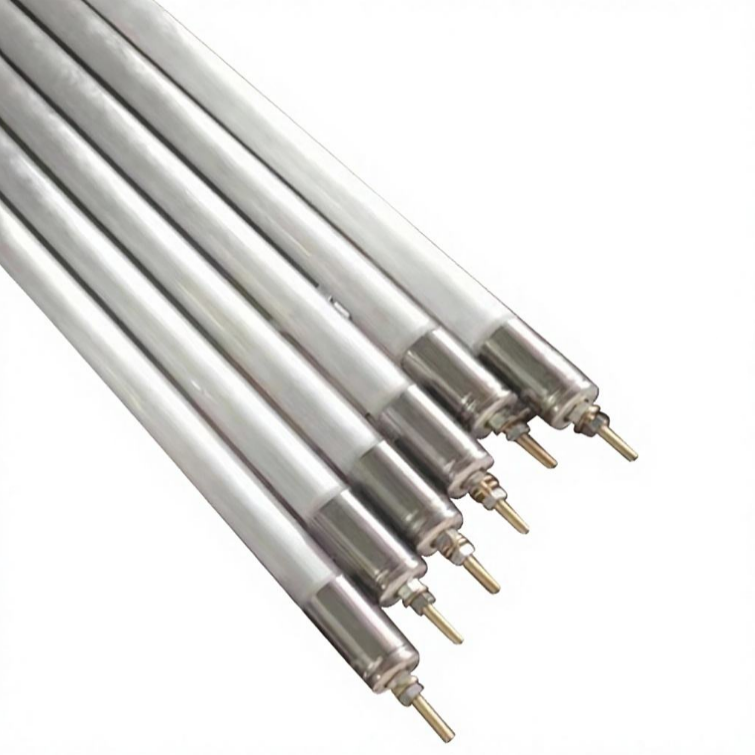
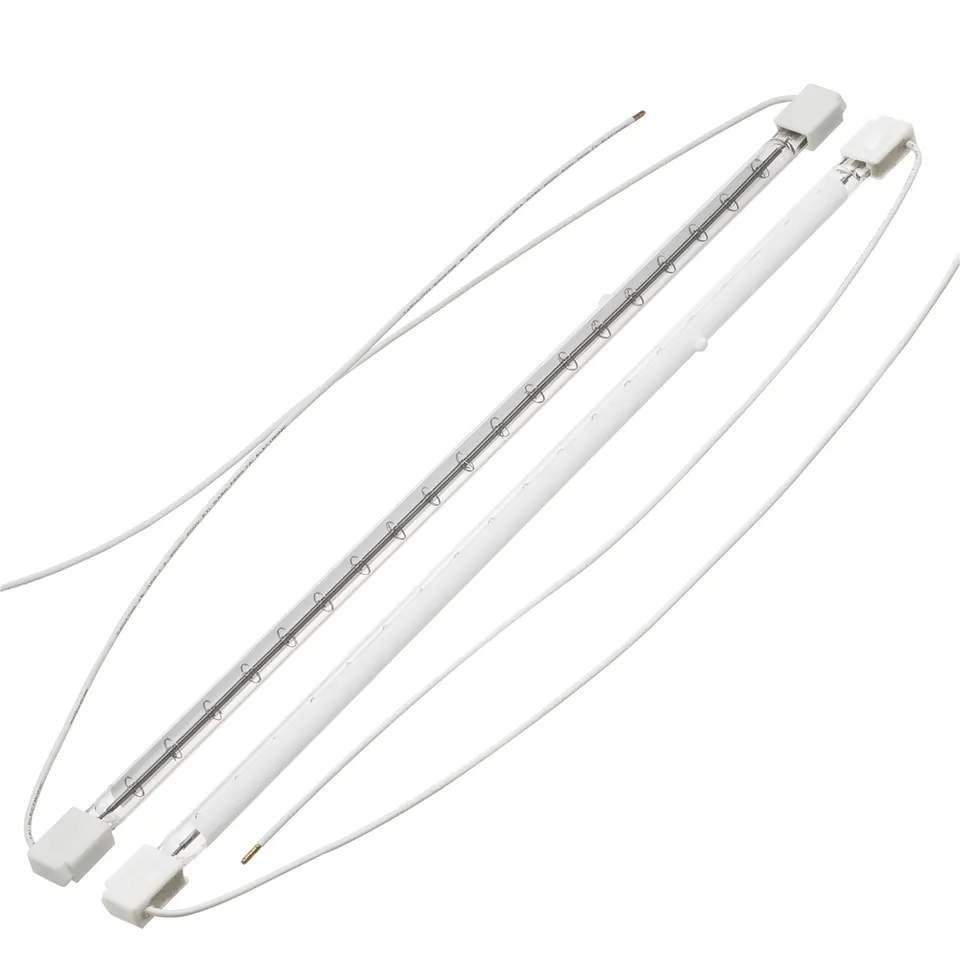
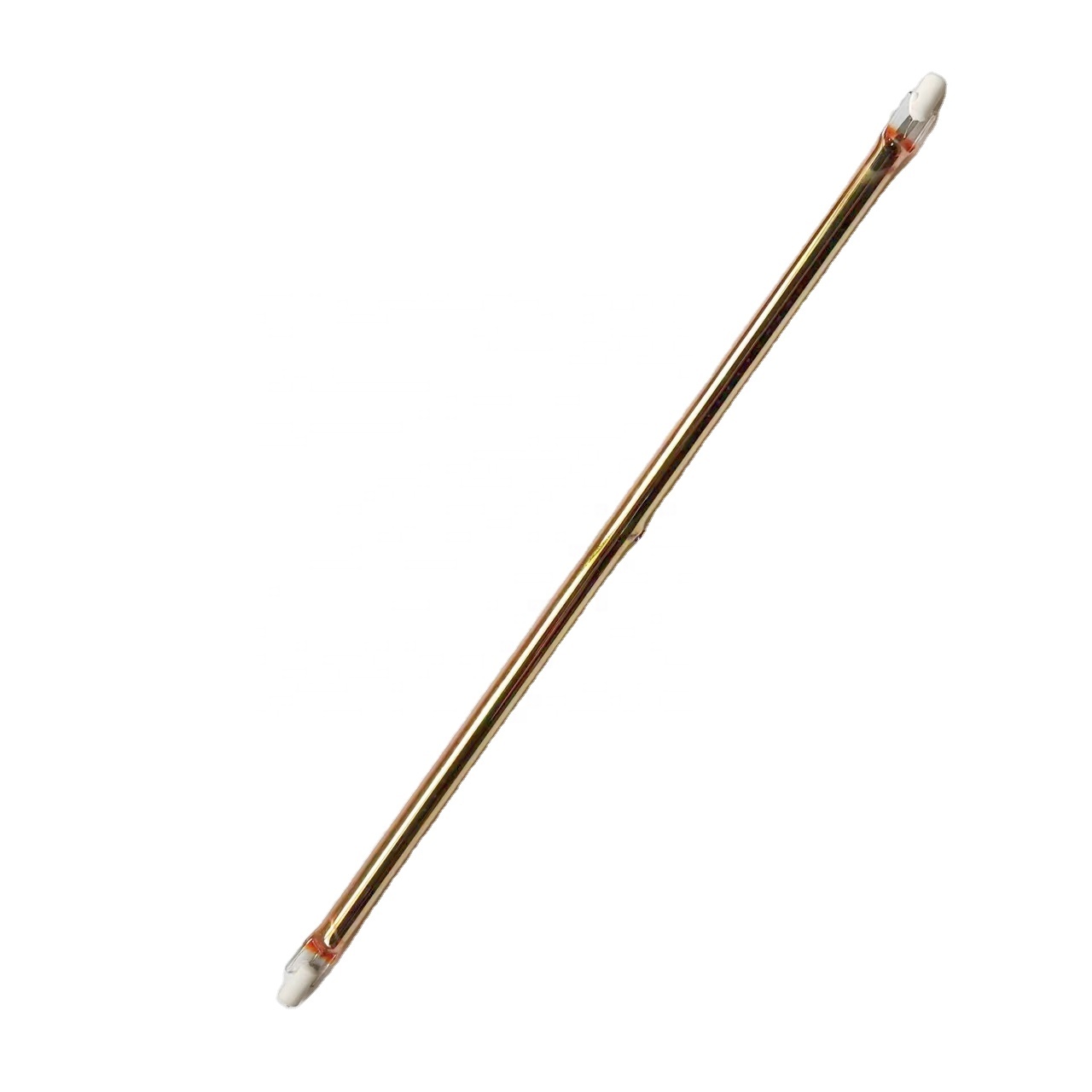
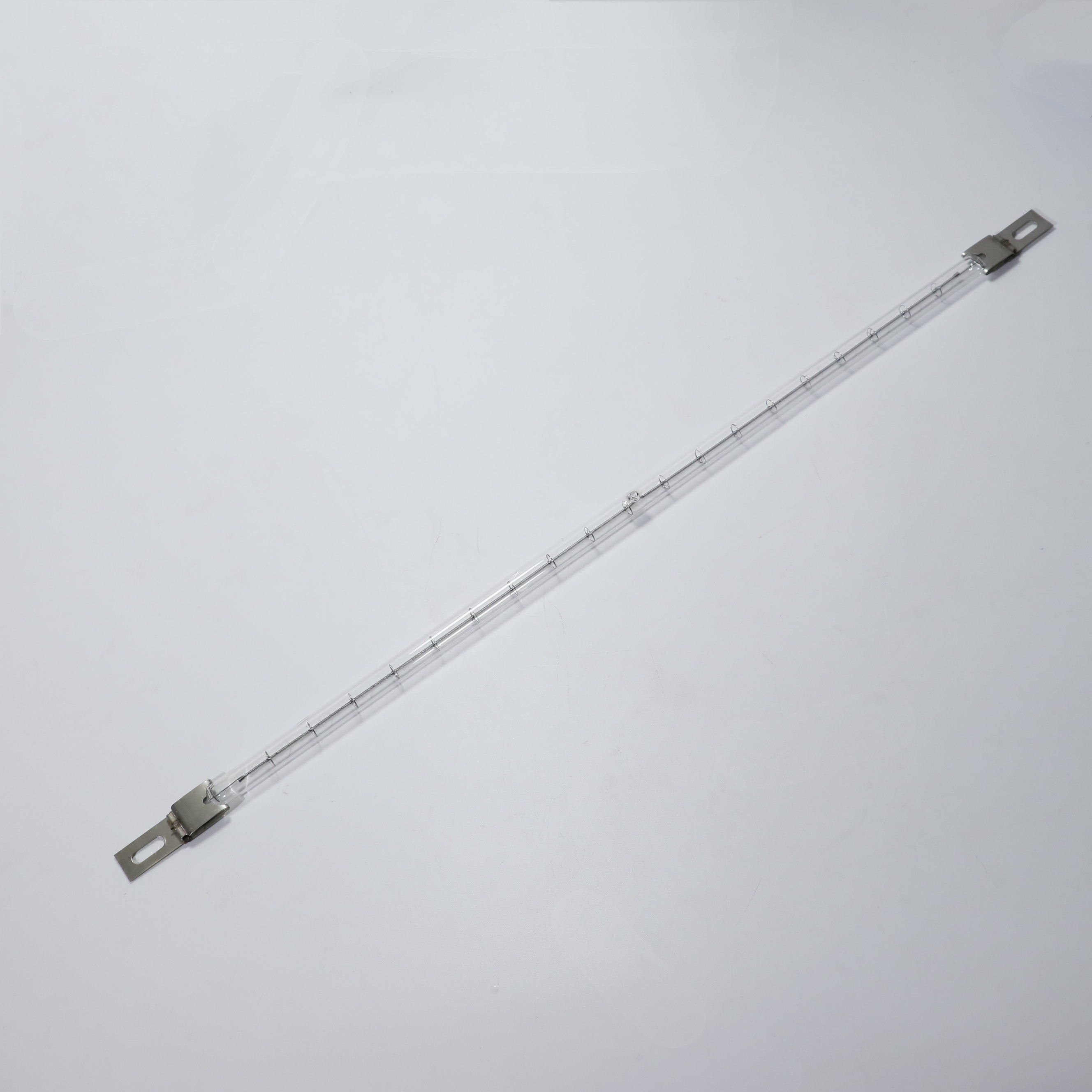
Manufacturing Core & Strategic Sourcing Advantage
Direct supply from Lianyungang (Donghai cluster), combining premier silicon reserves with advanced glassblowing engineering.
Donghai Quartz Belt
Located in Lianyungang, Jiangsu, leveraging the world’s preeminent silica cluster for superior raw material purity, thermal resilience, and lower logistics overhead.
Rapid OEM Prototyping
3 specialized production lines providing rapid tooling, flame-polishing, CNC drawing, and custom filament positioning with standard sampling within 5 to 7 days.
CE & RoHS Verification
Stringent compliance with European low-voltage and electromagnetic compatibility directives. Inspected for wall-thickness concentricity and thermal shock.
Shockproof Export Crating
Precision-engineered cushioning, reinforced corrugated sleeves, and fumigated plywood crates ensuring 0% mechanical shatter across intermodal ocean and air transit.
Engineering Whitepaper: Clear Quartz Tubing in Thermal Processing
A comprehensive technical assessment for procurement engineers, systems integrators, and OEM thermal furnace designers.
1. Material Science of Fused Silica (SiO₂) Glass Tubing
Clear quartz glass tubing represents an indispensable class of technical ceramics fabricated through the continuous fusion of naturally occurring high-purity crystalline quartz sand (SiO₂ > 99.99%) or synthetic silicon precursors. Unlike conventional borosilicate or soda-lime glass, transparent vitreous silica possesses an exceptionally rigid, non-crystalline three-dimensional tetrahedral network. This microstructural integrity imparts unique physical characteristics: an extremely low coefficient of thermal expansion (5.5 × 10⁻⁷ / °C between 20°C and 320°C), an operational strain point at 1075°C, an annealing threshold at 1180°C, and a softening range exceeding 1680°C.
These thermal properties allow CE-certified clear quartz tubes to undergo radical thermal differentials without structural failure. A standard production specimen can be sustained at 1100°C for continuous cycles and immediately quenched in cold water at 20°C without micro-fracturing or catastrophic spalling. Furthermore, its hydroxyl (OH⁻) content is tightly regulated—often down to < 20 ppm or < 5 ppm for infrared emitter applications—to prevent premature devitrification into cristobalite phases and to minimize parasitic infrared absorption bands at 2.73 µm.
2. Optical Transmission Windows: From Deep Ultraviolet to Infrared
Optical transparency determines the radiative transfer efficiency of clear quartz tubing across industrial heat exchangers and emitters. Fused silica offers an expansive optical transmission window spanning approximately 190 nm (deep UV) through 3500 nm (near-to-shortwave infrared), achieving internal transmission coefficients exceeding 92% across active spectra.
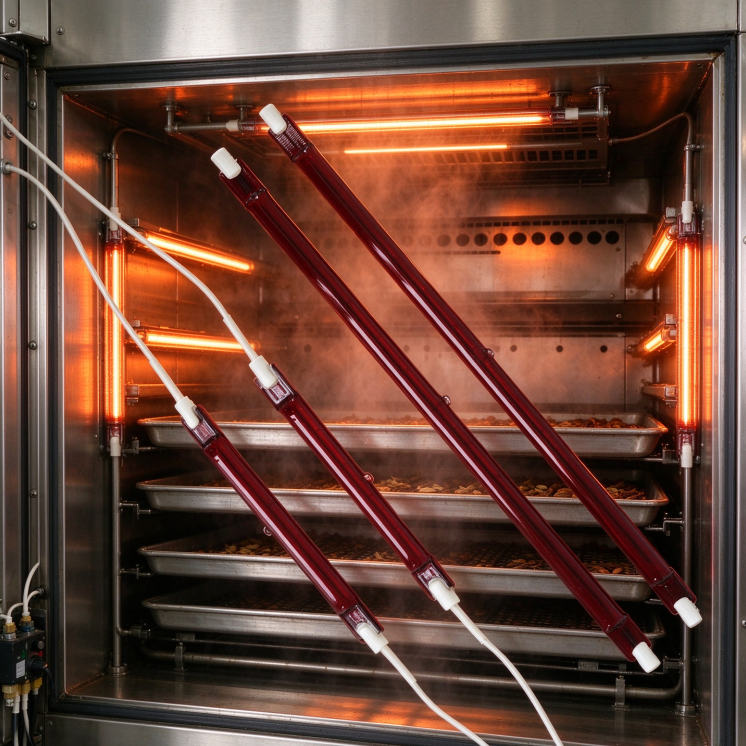
- Short-Wave Infrared Halogen Systems: Operating at filament temperatures between 2200 K and 2600 K, short-wave halogen lamps emit peak spectral radiation around 1.0 to 1.2 µm. Clear quartz envelopes transmit virtually all of this radiant flux directly to target substrates—such as PET bottle preforms or coil coatings—without thermal choke points along the envelope wall.
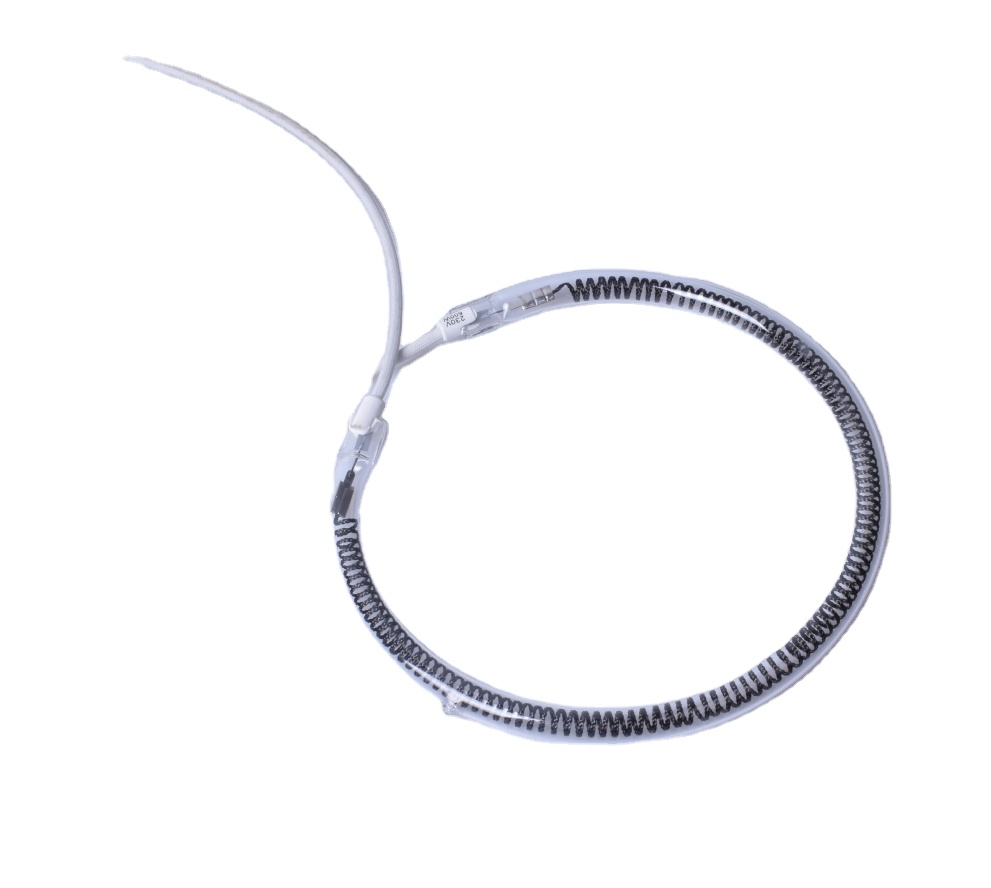
- Carbon Fiber Medium-Wave Emitters: Utilizing high-purity woven carbon filaments operated between 1100 K and 1500 K, these systems generate medium-wave output peaking near 2.0 to 2.4 µm. Clear quartz tubes facilitate swift energy transmission tailored to organic macromolecular absorption resonances, promoting volumetric drying in paints, textiles, and water-based adhesives.
- Photochemical & Germicidal Envelopes: High-transmission clear quartz also serves as the hermetic barrier for low-pressure and medium-pressure mercury UV curing systems, resisting solarization and upholding structural strength under constant vacuum or ozone pressures.
3. Comparative Technical Baseline: Clear Quartz vs. Alternative Materials
| Performance Characteristic | High-Purity Fused Quartz | Borosilicate Glass 3.3 | High-Alumina Ceramic |
|---|---|---|---|
| Silica Purity (SiO₂ wt%) | ≥ 99.99% | ~ 80.5% | Al₂O₃ > 95% (Opaque) |
| Coefficient of Thermal Expansion (CTE) | 5.5 × 10⁻⁷ / K | 33 × 10⁻⁷ / K | 70–80 × 10⁻⁷ / K |
| Maximum Working Temperature (Long-Term) | 1100 °C – 1150 °C | 450 °C – 500 °C | 1400 °C – 1600 °C |
| Max Short-Term Thermal Shock | 1300 °C to 20 °C Quench | ΔT ~ 150 °C Quench Limit | Poor Shock Resistance (ΔT ~ 200 °C) |
| Infrared (0.8–2.5 µm) Transmission | > 90% (Direct Radiant Coupling) | Moderate (Devitrifies > 500 °C) | 0% (Conductive / Convective Only) |
| Chemical Inactivity (Acids / Halogens) | Unaffected (Except HF, H₃PO₄ > 150°C) | Fair (Leaches alkali elements) | High Chemical Resistance |
4. Strategic Procurement Forecast: Global Sourcing Trends
The worldwide market for industrial clear quartz tubing and quartz infrared elements is undergoing significant structural shifts driven by decarbonization, electrification of industrial heat, and semiconductor expansion:
- Electrification of Industrial Ovens: In response to stringent net-zero mandates across the European Union and North America, manufacturing plants are replacing gas-fired convection tunnels with electric infrared processing corridors. Clear quartz halogen and carbon tubes allow instant on/off modulation, cutting idle energy overhead by up to 45%.
- Consolidation Around Vertically Integrated Clusters: Tier-1 machine builders are increasingly sourcing directly from specialized clusters in Lianyungang rather than multi-tier trading intermediaries, securing custom wall tolerances (±0.05 mm) and lower lead times for fast OEM iterations.
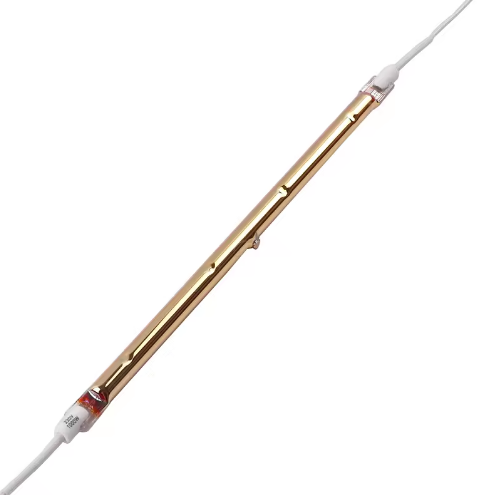
- High-Reflective Directed Coatings: Traditional industrial setups relied on separate metallic reflectors that oxidized over time. Future procurement is pivoting toward permanently bonded white ceramic and gold back-reflectors applied directly to clear quartz outer walls, projecting up to 95% of thermal energy toward the working target.
5. Technological Evolution: Next-Generation Clear Quartz Manufacturing
Future advancements in clear quartz tube fabrication focus on atomic-level purity controls and precision geometrical tolerances. Continuous electric fusion furnaces now operate with automated laser-guided wall measuring systems, ensuring tight circularity and uniform wall thicknesses for large-diameter process tubes (OD 150 mm to 400 mm). Furthermore, plasma-assisted fire-polishing removes surface micro-cracks, enhancing burst pressure thresholds in high-temperature chemical vapor deposition (CVD) and diffusion tube reactors.
Procurement & Technology Trends Analysis
Key technological transformations driving capital investment and specification choices over the next 3 to 5 years.
Rapid-Modulation Thermal Systems
Switching from static heat banks to PID-controlled short-wave quartz halogen systems that achieve full operational temperature in 1 second, reducing line restart latencies.
Direct Ceramic & Gold Reflectors
Replacing fragile external reflectors with bonded ceramic half-coatings or vacuum-sputtered gold layers directly onto clear quartz, eliminating thermal loss and oxidation.
Low-OH Dehydroxylated Glass
Advancements in vacuum baking reduce OH content to < 5 ppm, preventing mid-IR energy absorption, eliminating bubble nucleation, and doubling quartz service lifespans at >1000°C.
Frequently Asked Questions for B2B Procurement
Practical technical and commercial answers addressing specifications, minimum runs, and international standards.
What are the critical parameters required to order custom clear quartz tubes?
How does CE certification apply to clear quartz tubes and heating assemblies?
What is the functional lifespan difference between shortwave halogen and mediumwave carbon quartz tubes?
What are the MOQ terms and sampling cycles for custom diameter quartz tubes?
How do you prevent breakage and thermal cracking during overseas container transport?
Request Custom Engineering Drawings & Factory-Direct Quotations
Whether you require standard clear quartz replacement tubing or bespoke OEM infrared heating lamps built to tight tolerances, our technical team provides rapid engineering feedback within 4 hours.
Get a Quote